Frequently asked questions
What is RBAC (role-based access control)?
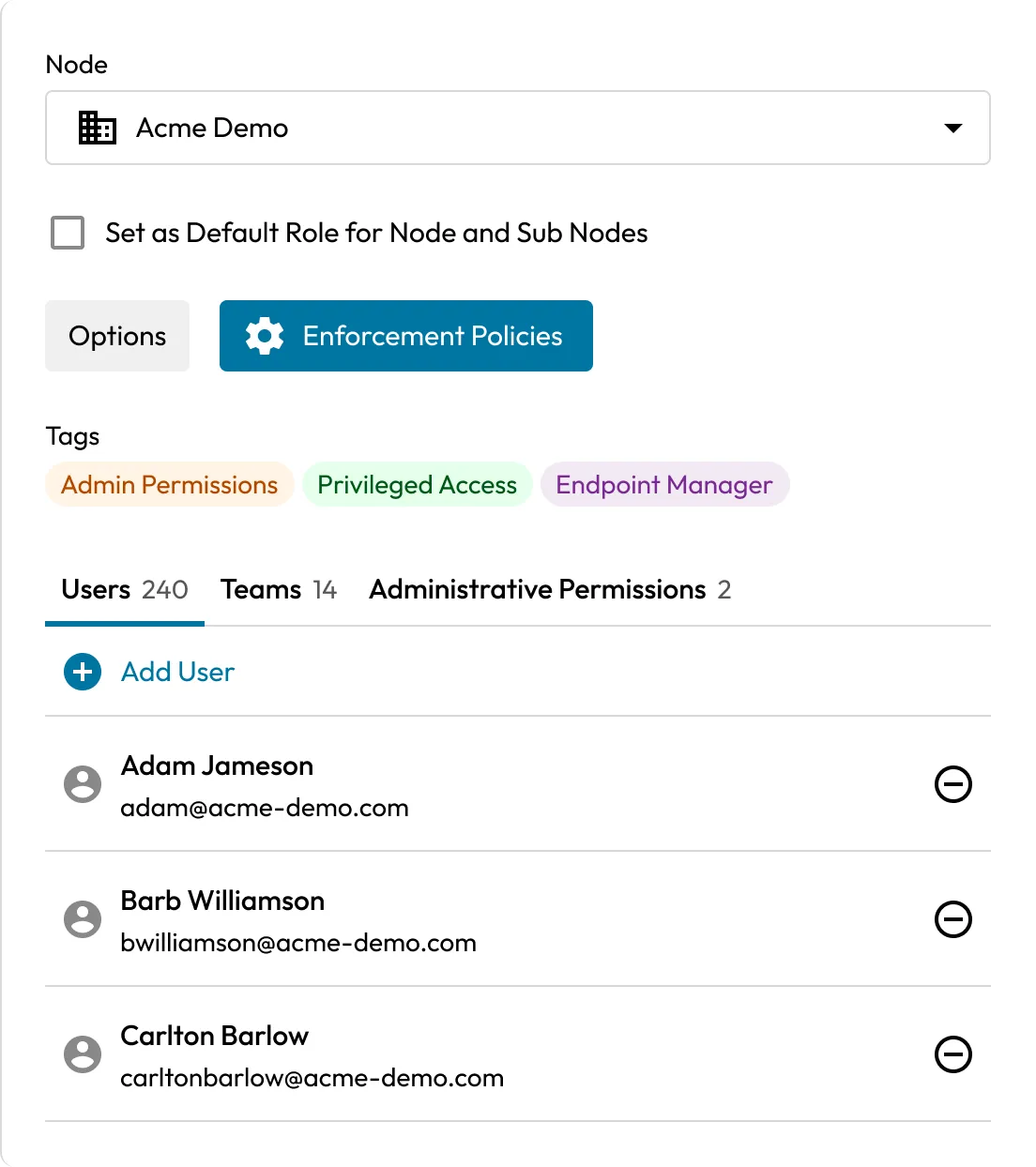
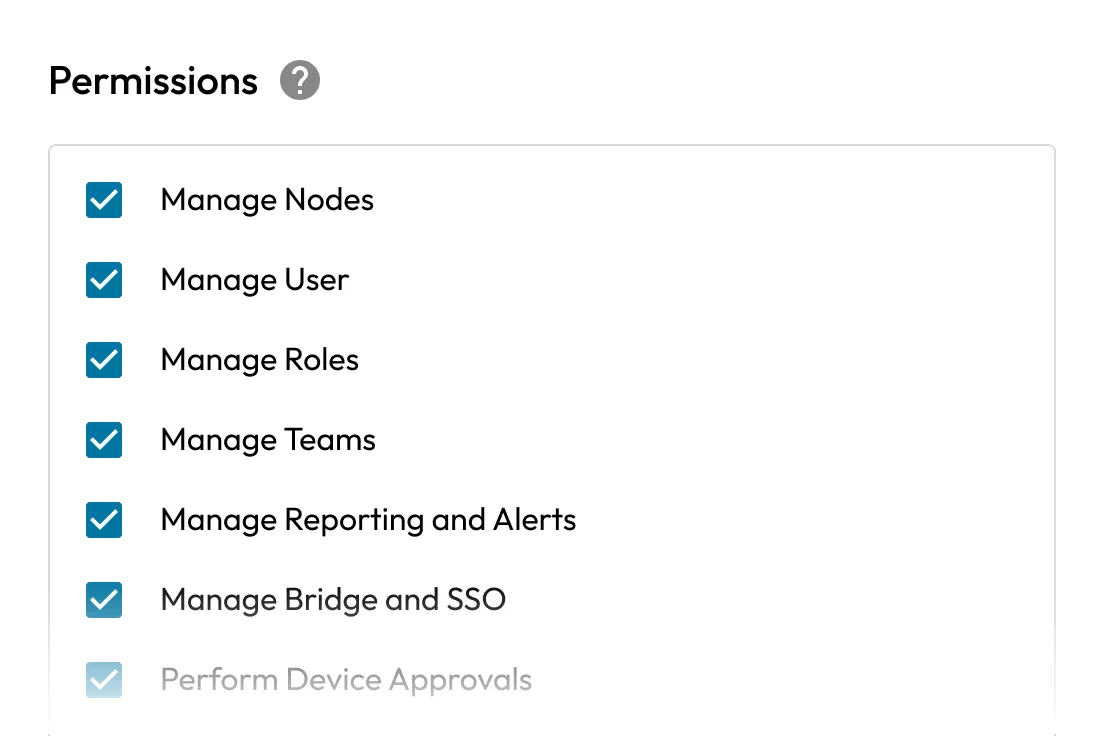
Role-based access control, also known as role-based security, is an access control model where a user’s role within an organization determines which network resources they have access to. The goal of RBAC is to ensure that users cannot access systems and data that are unrelated to their job functions, enhancing compliance, preventing data leakage and in the event that a user’s credentials are compromised, hampering the ability of a threat actor to move laterally within the network.
What is privileged access management?
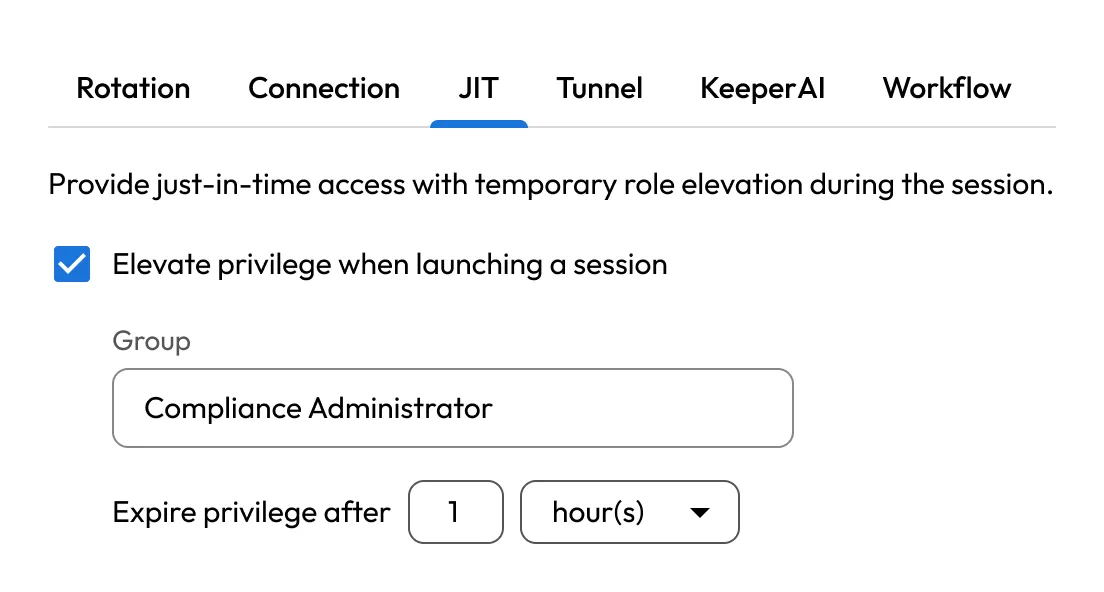
Privileged access management (PAM) refers to the tools and technology organizations use to secure, control and monitor access to their most critical information and resources, such as local and domain administrative accounts. PAM helps organizations protect themselves from cyber attacks as it prevents unauthorized privileged access to accounts.
RBAC vs ABAC
The main difference between role-based access control (RBAC) and attribute-based access control (ABAC) is how each method provides network access. RBAC enables you to grant role-based access. ABAC allows you to grant access through user characteristics such as action types, location, device and more.