

Eliminate secrets sprawl and protect Non-Human Identities (NHIs) with Keeper Secrets Manager
Zero-trust, zero-knowledge secrets management with unmatched ease of deployment and control.
Zero-trust, zero-knowledge secrets management with unmatched ease of deployment and control.
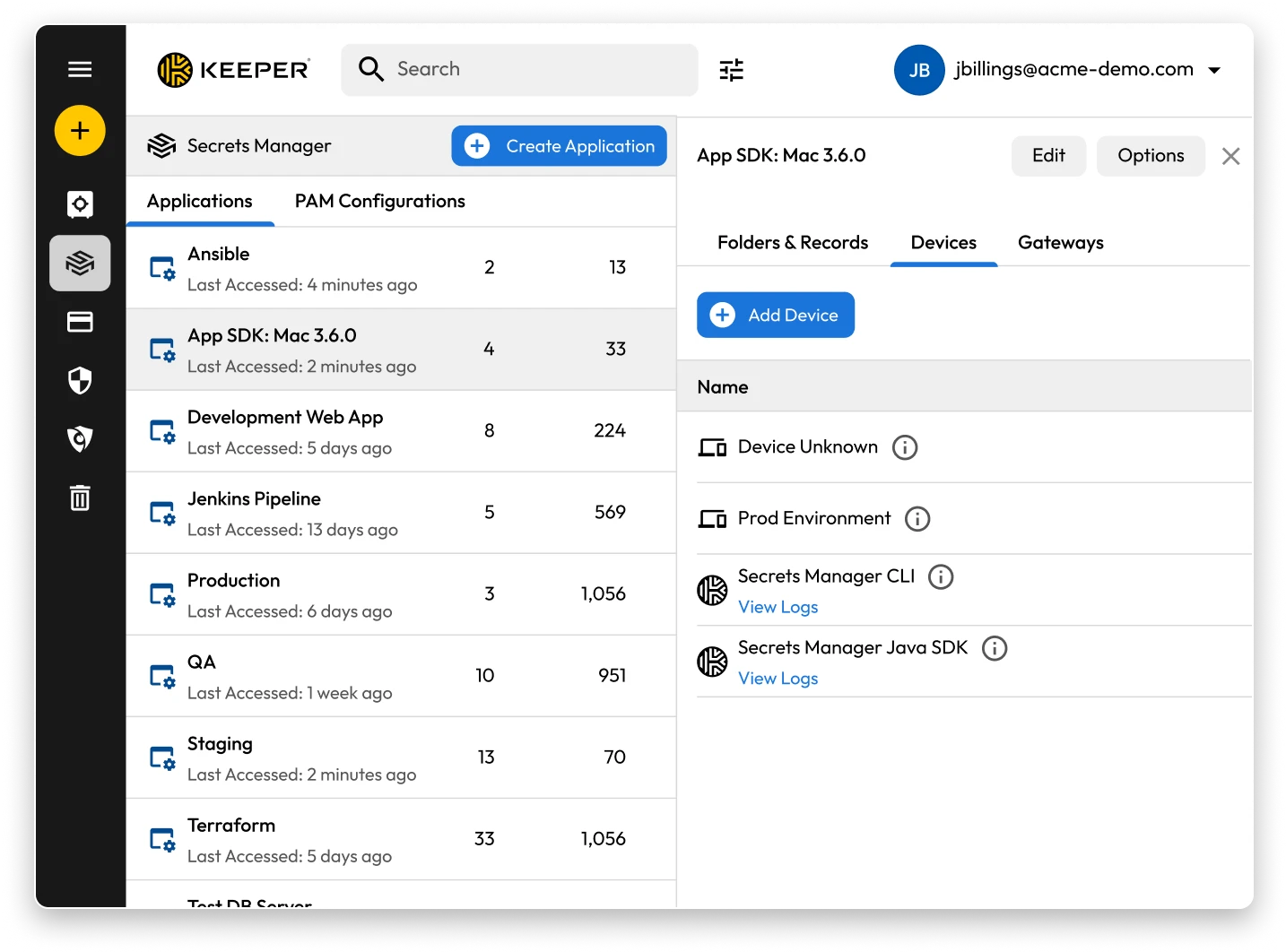
Keeper Secrets Manager is a fully managed, cloud-based secrets management solution that eliminates secrets sprawl and helps DevOps teams protect sensitive credentials in CI/CD pipelines, containers, automation scripts and cloud infrastructure.
The Admin Console centralizes Role-Based Access Controls (RBAC), provisioning, reporting, auditing and user management in a single, secure interface. Administrators can easily configure Keeper Secrets Manager, enforce policies and maintain full visibility across the organization.
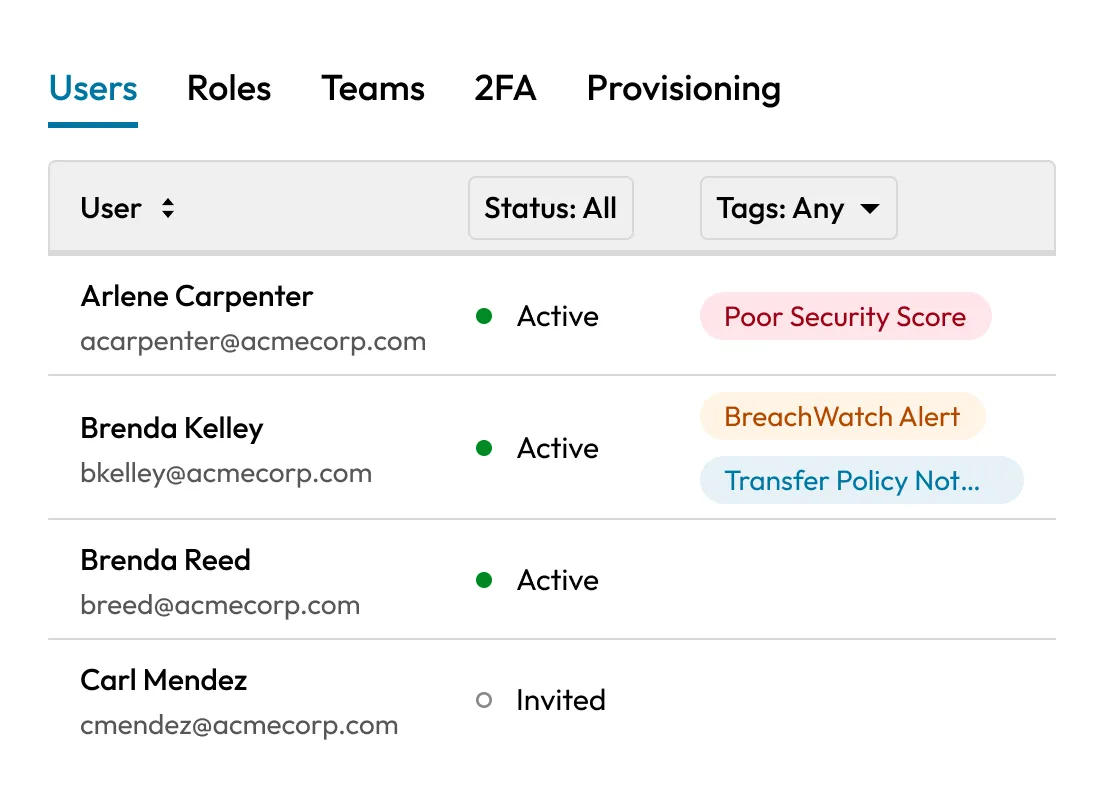
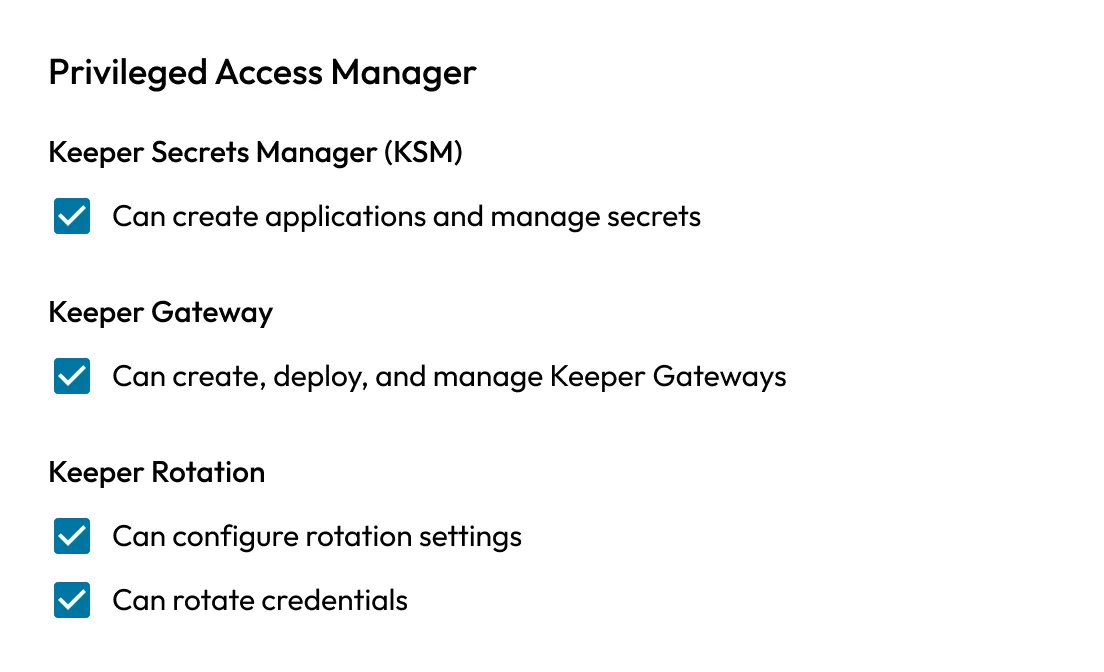
Apply role-based access policies, enforce least privilege and monitor every secret access event in real time. Keeper integrates with Security Information and Event Management (SIEM) platforms for centralized visibility and compliance reporting.
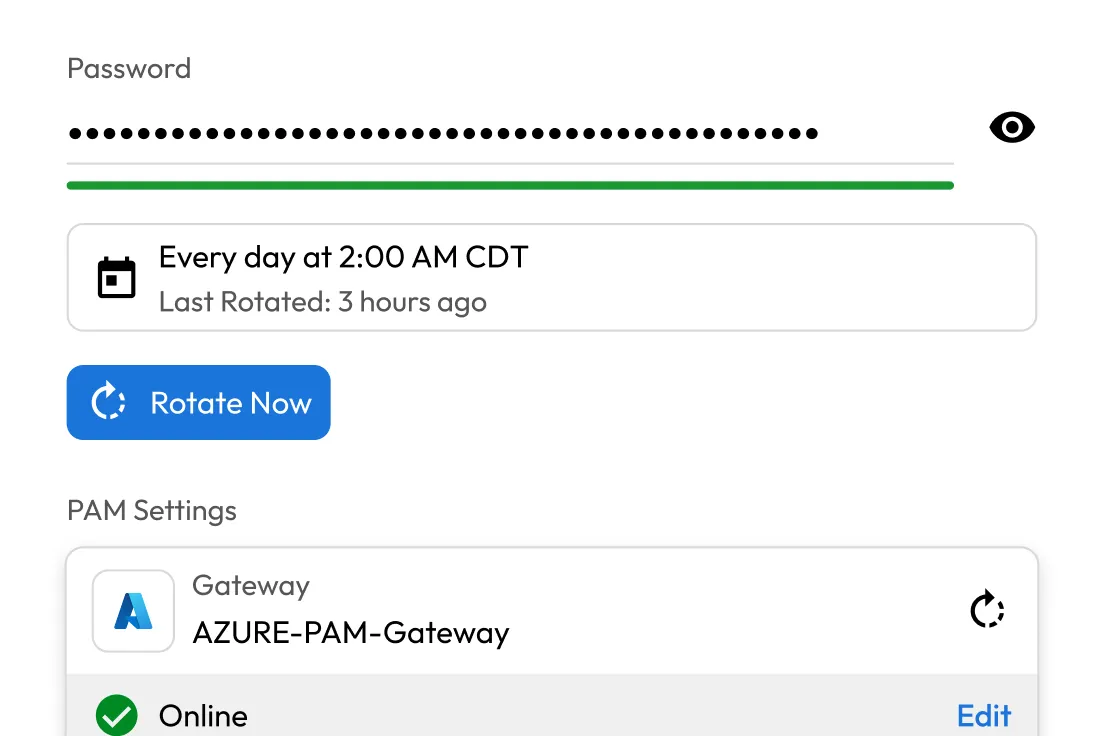
Reduce risk from exposed or stale credentials with automated rotation for SSH keys, service accounts, API tokens and database passwords. Keeper supports time-based and event-driven rotation across cloud and on-prem environments.
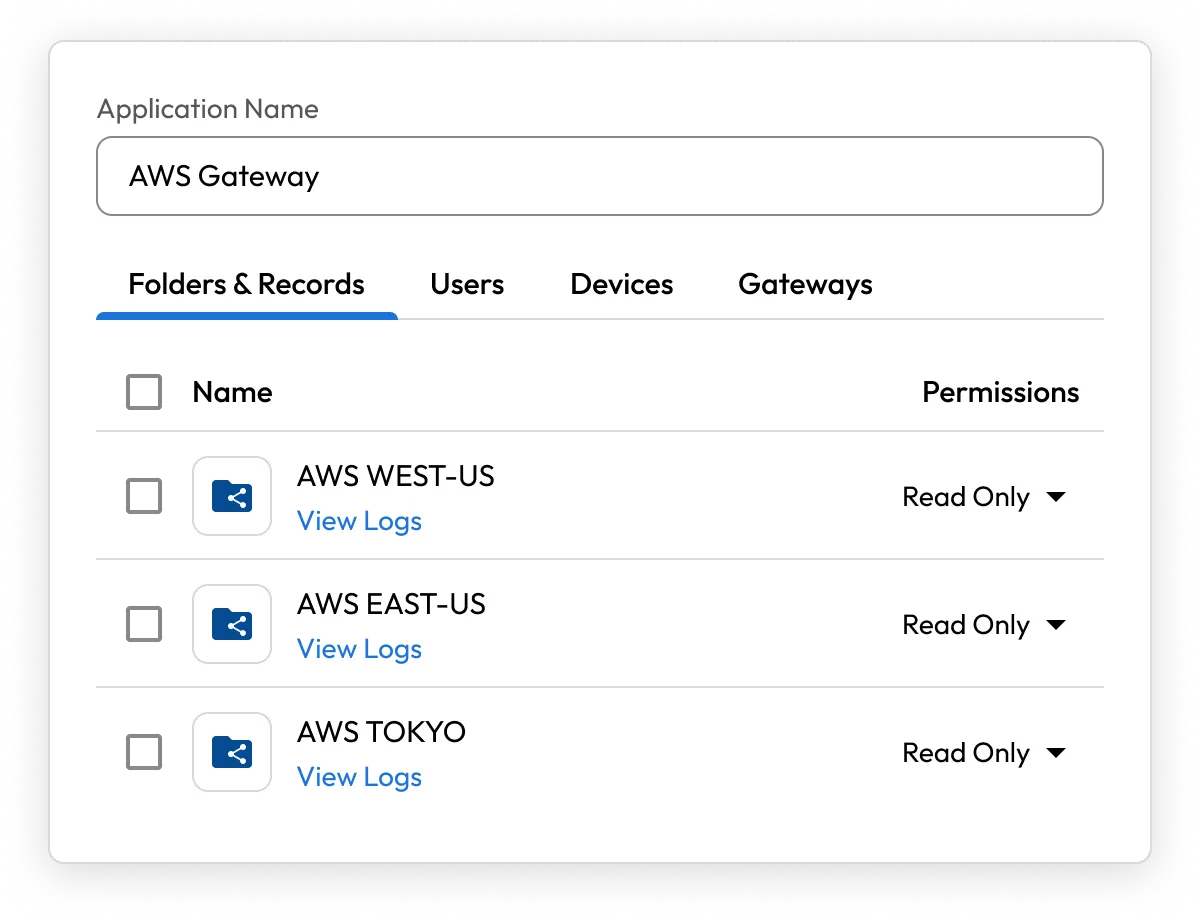
Enable teams to work faster by securely sharing records and IT configurations across users, roles and environments. From database connection strings to API keys and server logins, sharing is instant, permissions-based and fully auditable.

Keeper is a fully managed, cloud-based secrets manager built for simplicity and security. There's no hosted software to maintain, no complex VPC peering to configure and no additional infrastructure to deploy.

With millions of users and thousands of enterprise customers, Keeper is available on any device, anywhere.

Keeper provides a superior zero-knowledge encryption model designed to ensure that only you can access your vault. Secrets can be decrypted only on the designated devices that you manage.

Keeper integrates natively with popular DevOps tools like GitHub Actions, Jenkins, Terraform, Kubernetes, Docker and more. Access secrets securely via SDKs, RESTful API or Keeper Commander® CLI, no hard-coded credentials required.

Secure secrets used by scripts, applications and microservices — without exposing credentials in configuration files or containers. Keeper manages machine-to-machine authentication with the same rigor as human access.

Deploy Keeper across AWS, Azure, Google Cloud and hybrid environments with full support for multi-region availability, global compliance and distributed teams. Secrets remain secure and accessible wherever your workloads run.
Eliminate hard-coded credentials, secure your infrastructure and automate secrets management — all within a zero-trust, zero-knowledge platform.
Keeper Password Manager is designed for human users (employees, individuals, families) to store and manage login credentials and personal data securely. Keeper Secrets Manager is built for DevOps, IT security and development teams to manage Non-Human Identities (NHIs) such as infrastructure secrets, API keys and service credentials.
Keeper Secrets Manager can store a wide variety of infrastructure secrets and confidential data used by applications, systems and automated processes. Here's a breakdown of supported secret types:
Keeper Secrets Manager is a cloud-native service, but it can integrate seamlessly with both cloud and on-premises environments.
Keeper Secrets Manager is offered as an add-on to all business password manager plans and is licensed on a per-user, per-year basis. It is included with KeeperPAM. For detailed pricing or a custom quote, contact our sales team or visit the Keeper business pricing page.
You must accept cookies to use Live Chat.