Single Sign-On (SSO)

Close SSO security gaps with Keeper

Single Sign-On (SSO) reduces password fatigue, but it doesn't cover everything. Keeper SSO Connect* fills the gaps with zero-knowledge security and seamless access to systems SSO can't reach.

*Included with Keeper Enterprise

Where SSO falls short

Single point of failure

Single point of failure

If the SSO system is compromised or goes down, all connected applications become inaccessible.

Dependency on IdP availability

Dependency on IdP availability

When an identity provider is unavailable, users can't log in to any linked services, even if those services are operational.

Elevated risk of credential compromise

Elevated risk of credential compromise

One stolen SSO login can give cybercriminals access to everything, increasing the impact of a single credential breach.

Complex access management

Complex access management

Misconfigured roles or groups in SSO can grant excessive access, and offboarding errors can leave accounts exposed.

How Keeper solves SSO challenges and risks

Seamlessly integrate with any data environment

Secure any environment - cloud or on-premises - across Windows, macOS and Linux with Keeper SSO Connect. It integrates seamlessly with leading identity providers, including Microsoft 365, Entra ID (Azure), ADFS, Okta, Ping Identity, JumpCloud, Centrify, OneLogin and F5 BIG-IP APM.
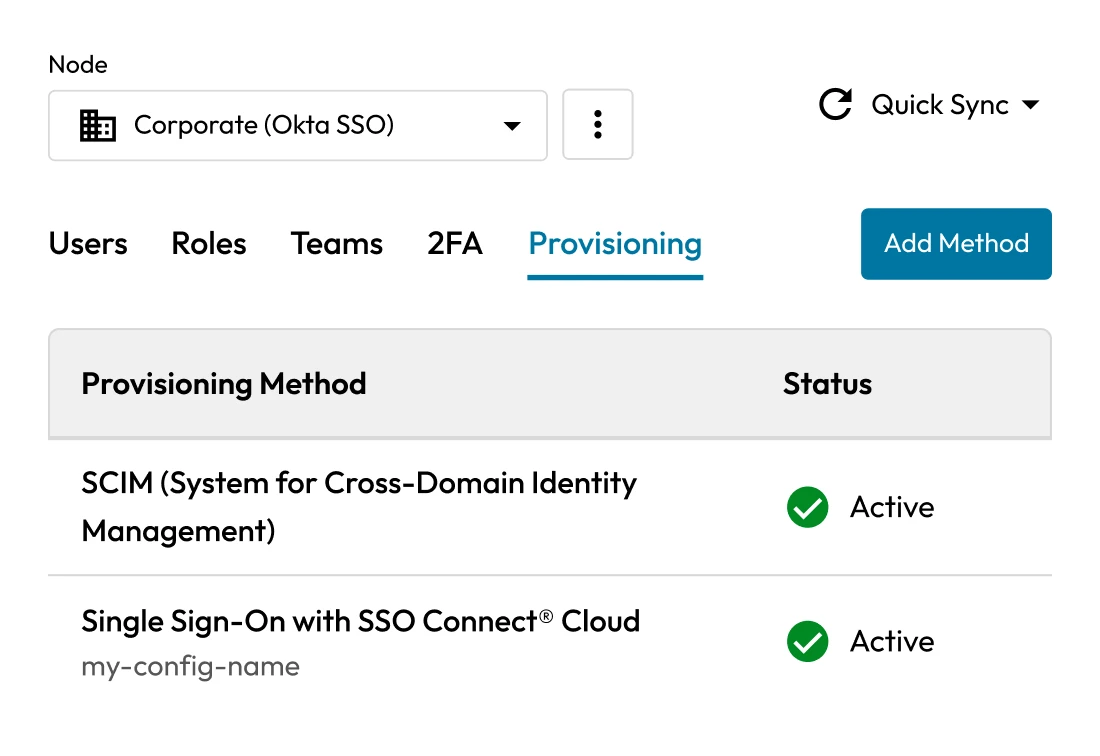
Seamlessly integrate with any data environment
Ensure Zero-Trust Network Access (ZTNA)

Ensure Zero-Trust Network Access (ZTNA)

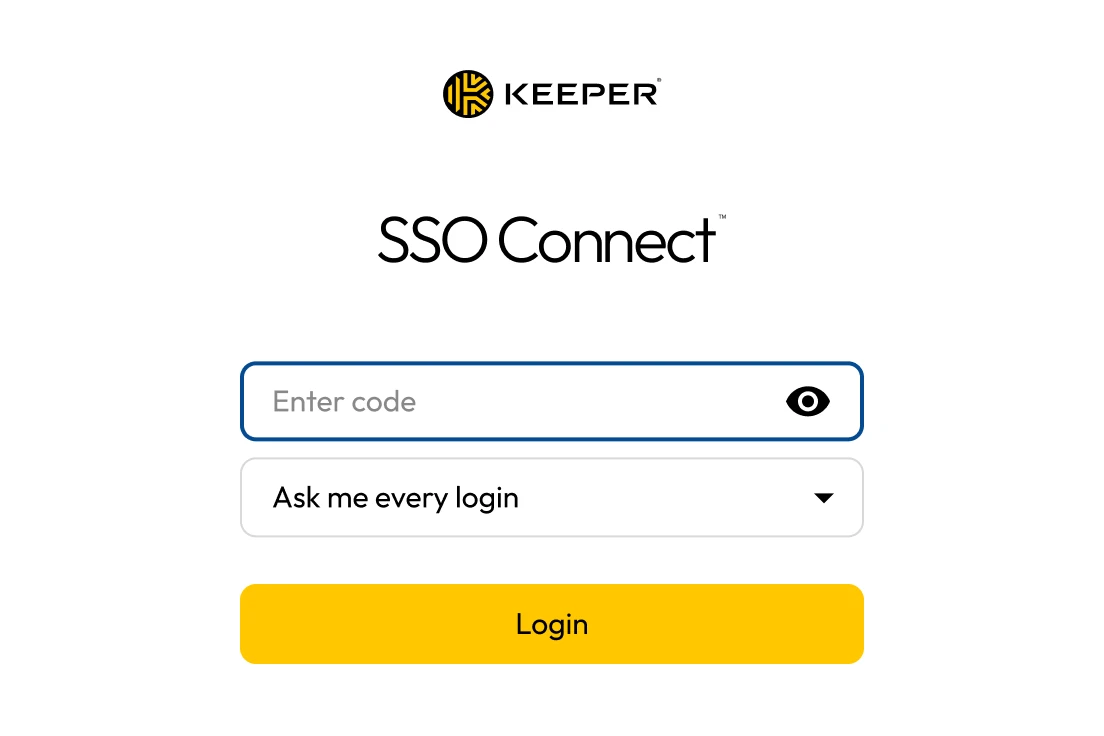
With Keeper SSO Connect, every approved user device has a local, private Elliptic Curve Cryptography (ECC) key. Encryption keys are exchanged between user devices or through Keeper administrator approvals, which streamlines device approval while preserving zero-knowledge encryption.

Protect applications not covered by SSO

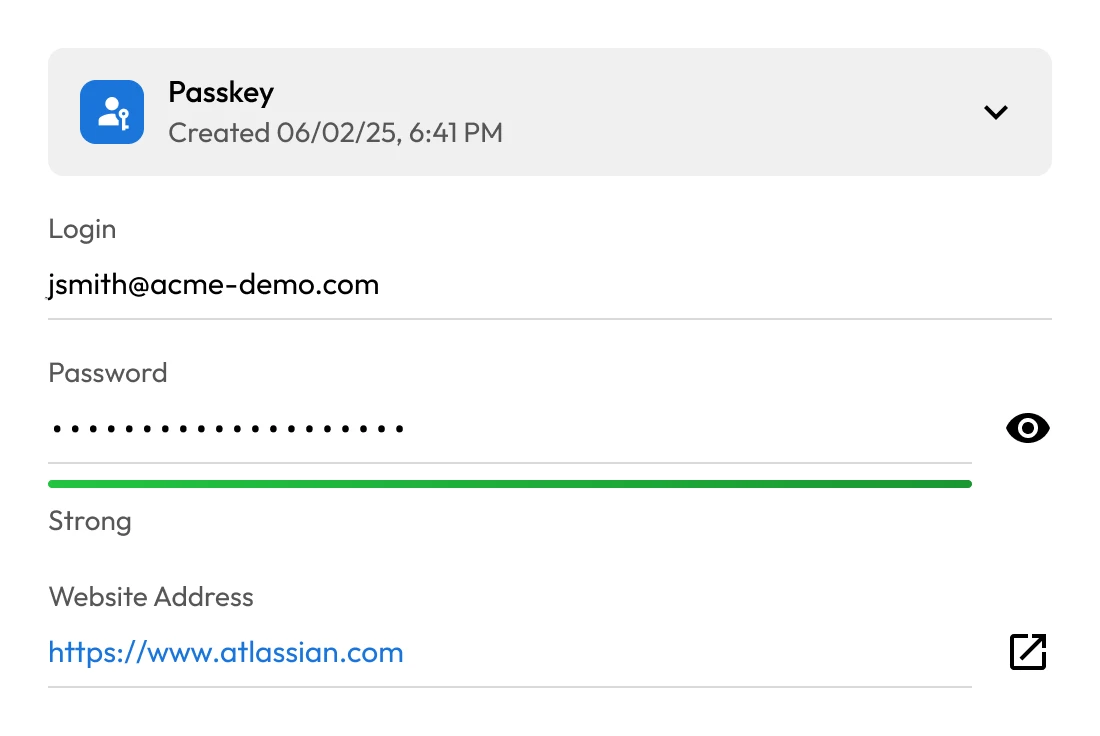
Keeper fills the gaps traditional SSO can't reach by securing access to legacy systems, native applications and websites that lack SAML support. With end-to-end encryption, Keeper helps manage and autofill passwords and passkeys, enabling users to authenticate once through their IdP and seamlessly access all resources, SSO-integrated or not.

Protect applications not covered by SSO
Enable offline vault access when SSO is not available

Enable offline vault access when SSO is not available

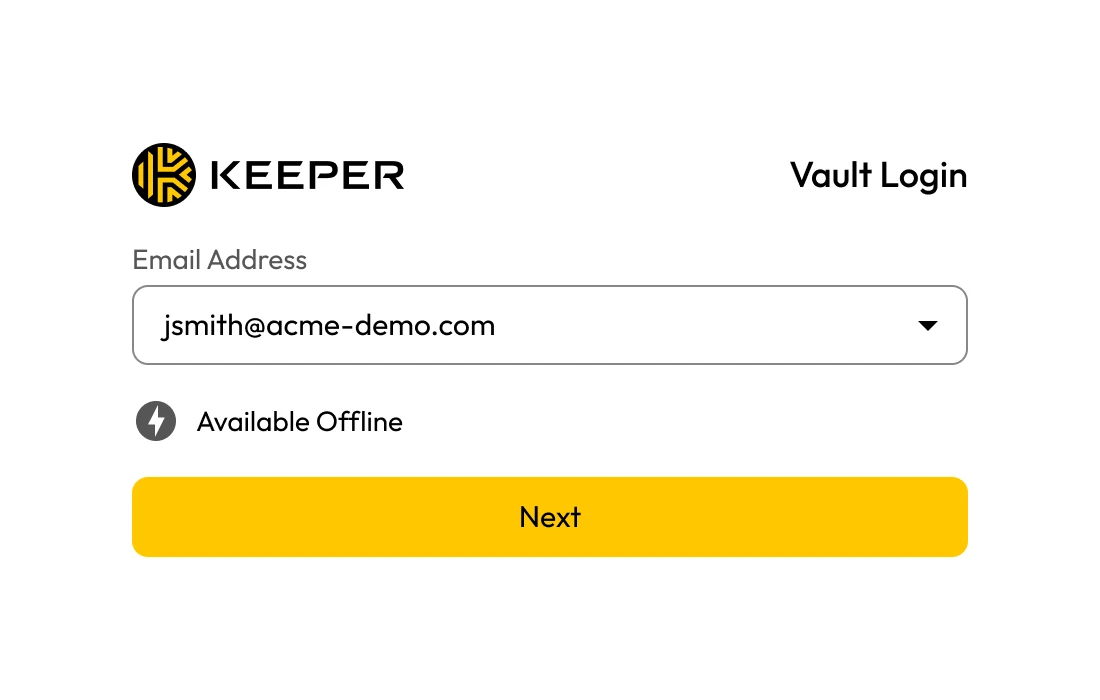
Keeper enables users to securely access their vaults even without SSO or internet connectivity. With offline access, credentials remain encrypted and stored locally, allowing users to continue working without disruption.

Enforce granular access controls

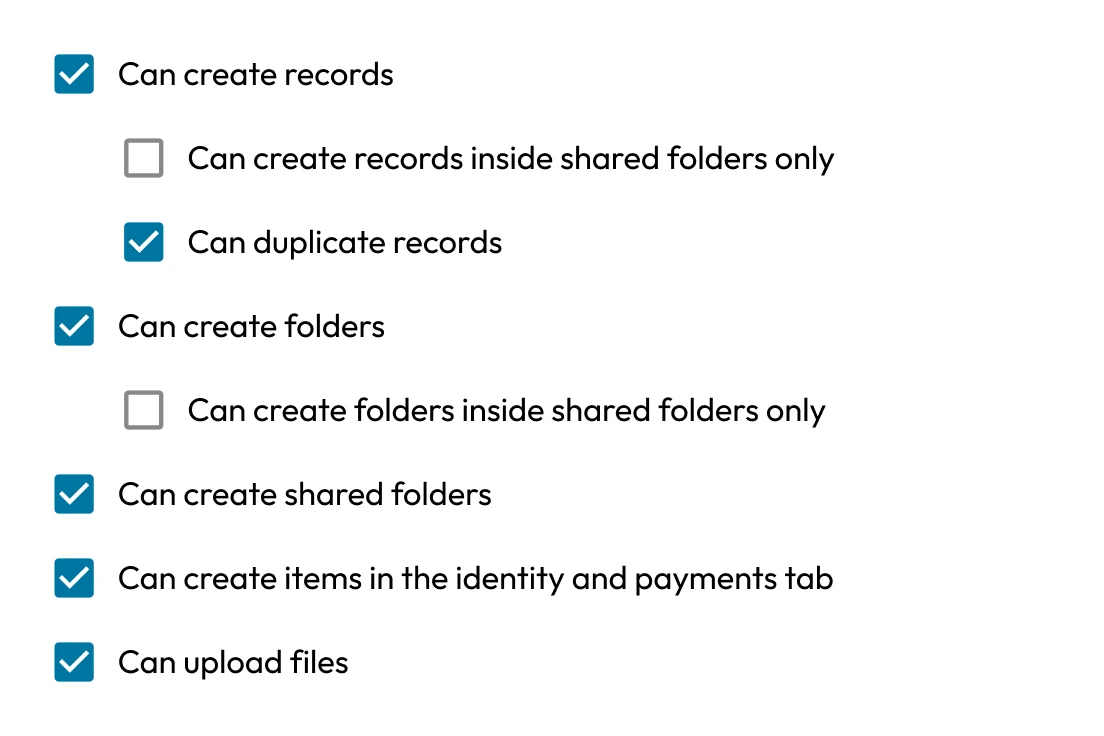
Keeper enables fine-tuned role-based access, policy enforcement and sharing permissions independent of the IdP. This enables organizations to maintain strict control over what users can access and share, even across disconnected environments.

Enforce granular access controls

What our customers are saying

5.0 out of 5

The best thing is the Okta / SSO integration! Simply adding someone to our Identity Provider (Okta) automatically creates a Keeper account and from there we can share various system, team, and account credentials.

Dan., Director, IT,
G2 Review

5.0 out of 5

I also am happy with the Okta integration, as it allowed us to easily onboard/offboard users to the service vs. others which may not integrate with our IDP, making tracking licensing more difficult.

Kyle D., Senior IT Security Analyst,
G2 Review

Strengthen your SSO with Keeper

Frequently asked questions

Why use Single Sign-On (SSO)?

Single Sign-On (SSO) reduces password fatigue, cuts down on help desk tickets and improves overall efficiency. It simplifies user access, supports compliance and fits into zero-trust security models. However, SSO can still leave security gaps - particularly in password management, the very issue it aims to solve. Pairing SSO with a solution like Keeper closes those gaps by securely managing credentials that SSO can't cover, like apps or systems that don't support SSO, shared credentials, privileged accounts and external accounts.

Why are SSO and PAM important together?

SSO and Privileged Access Management (PAM) work best when combined. SSO simplifies access to everyday apps, while PAM secures privileged accounts with strict controls. Together, they help close security gaps between regular and privileged access.

Keeper unifies SSO and PAM to enforce strong authentication, streamline user access and reduce IT workload. This integrated approach enhances security, supports compliance and provides comprehensive visibility across all access types.

How does KeeperPAM integrate with existing SSO providers?

KeeperPAM integrates with SSO providers using standard protocols like SAML 2.0, OIDC and OAuth 2.0. It works with identity platforms such as Okta, Azure AD/Entra ID, Google Workspace, OneLogin and Ping Identity, without requiring changes to your existing authentication setup.

Users authenticate through their SSO provider and receive access to KeeperPAM based on identity attributes and group memberships. This ensures access permissions stay in sync as roles change. For IT teams, it simplifies user management and extends existing identity systems with strong privileged access controls.

What security features does KeeperPAM offer to protect privileged credentials?

KeeperPAM protects privileged credentials with zero-knowledge encryption, meaning data is encrypted and decrypted only on the user's device and is never exposed in plaintext. It uses AES-256 encryption, PBKDF2 key derivation and elliptic curve cryptography.

Key features include role-based access controls, just-in-time access, approval workflows and strong multi-factor authentication. KeeperPAM also offers session recording, real-time alerts, automatic credential rotation, dual authorization for sensitive records, browser isolation and tamper-proof audit logs.

Buy Now