O Keeper foi desenvolvido com engenheiros em mente
Tenha controle do seu ambiente do Keeper com ferramentas para desenvolvedores, SDKs e integrações nativas desenvolvidas para esse fim.
Tenha controle do seu ambiente do Keeper com ferramentas para desenvolvedores, SDKs e integrações nativas desenvolvidas para esse fim.
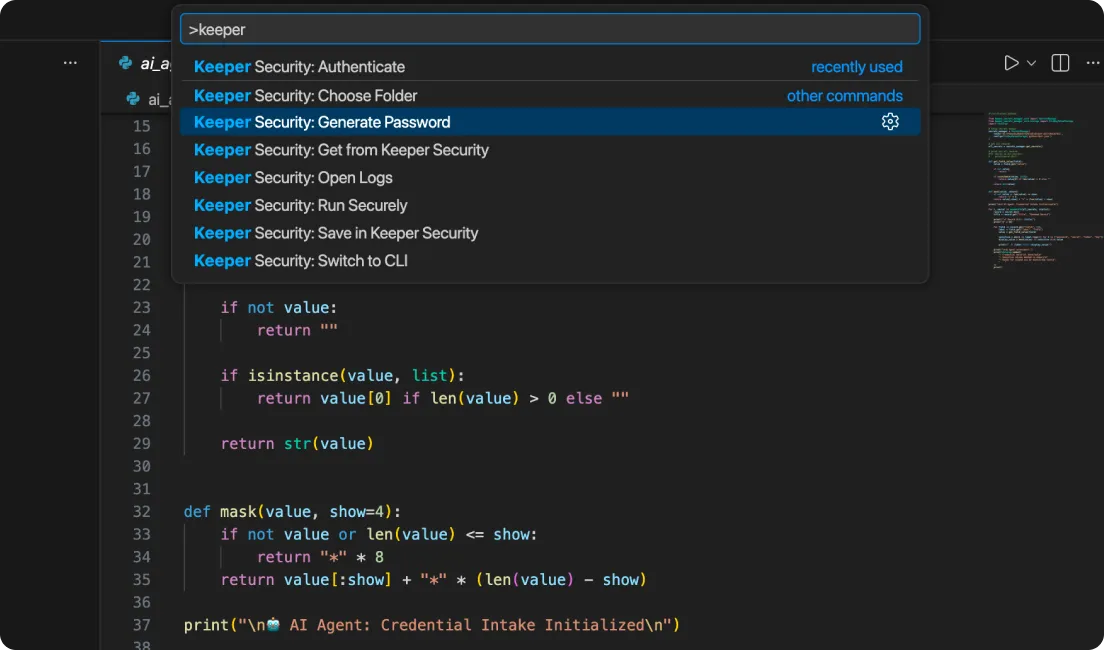
Keeper Secrets Manager for VS Code brings secure vault access directly into the development workflow, allowing developers to save, retrieve and generate secrets without leaving their editor. With support for both Keeper Commander CLI and Secrets Manager, plus secure command execution and built-in secret detection, teams can eliminate hard-coded credentials while maintaining zero-knowledge security.
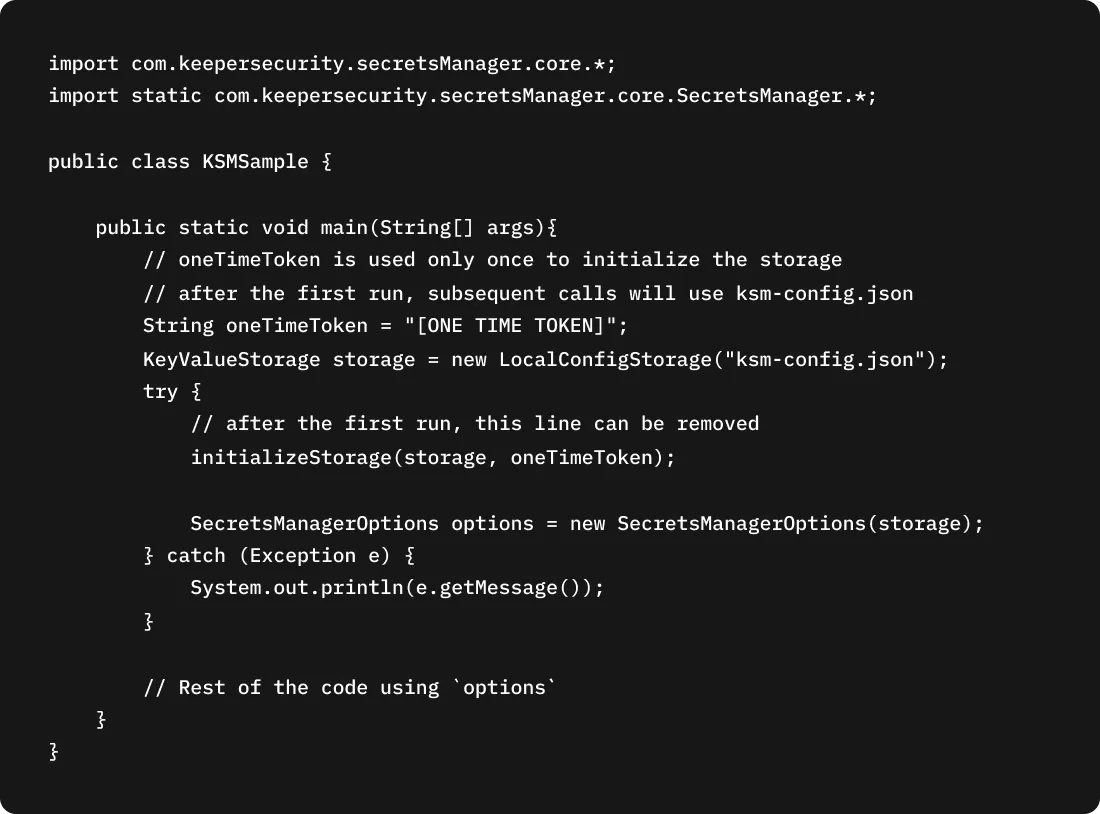
Acelere o desenvolvimento com os SDKs do Keeper Secrets Manager, desenvolvidos para recuperação de segredos rápida, leve e segura em pilhas modernas de aplicações. Integre segredos às suas aplicações com o mínimo de código, mantendo a criptografia de conhecimento zero e o alto desempenho.
[SDKs compatíveis: Java/Kotlin, JavaScript, Python, .NET, Go, Ruby, Rust]
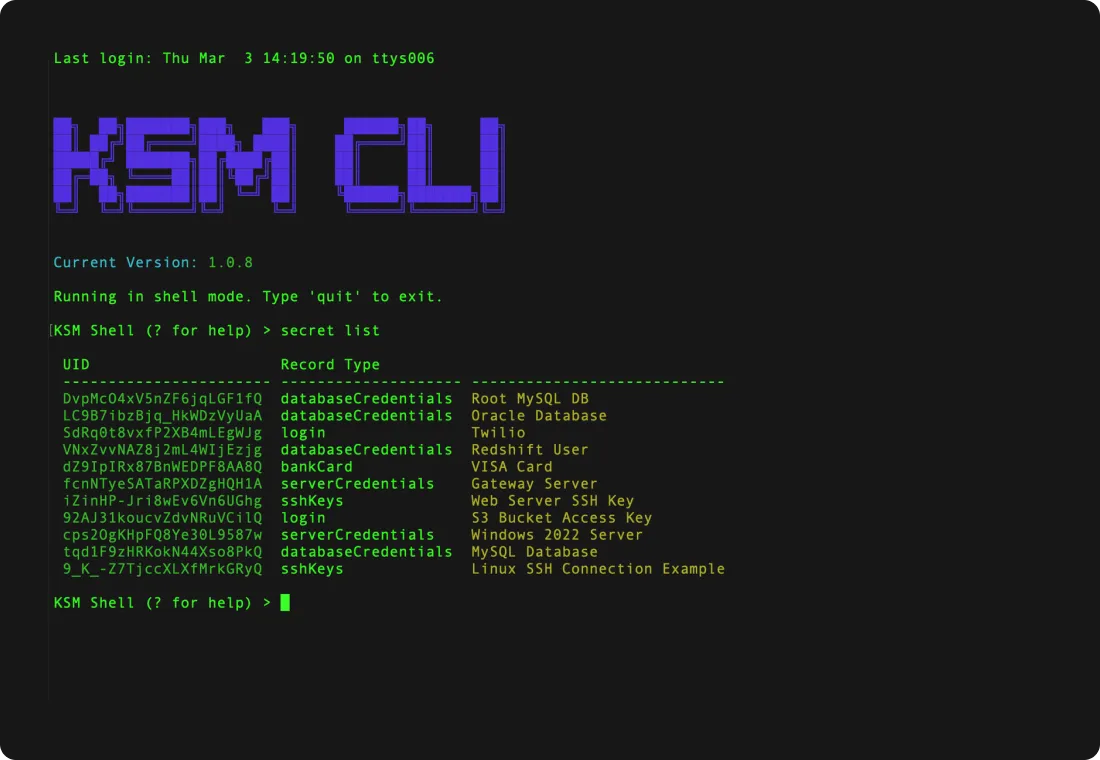
A CLI do Keeper Secrets Manager possibilita acesso seguro a segredos com base em máquina diretamente de terminais, scripts e pipelines de automação. Os recursos incluem recuperação de segredos, injeção de variáveis de ambiente, inicialização de configurações e suporte à execução via shell.
The Keeper Commander SDKs for .NET and Python provide programmatic access to the Keeper Vault, Enterprise Admin Console and Secrets Manager. They enable secure credential management, enterprise policy control and automation at scale, allowing organizations to embed Keeper’s zero-trust security into custom applications and DevOps workflows.
O Keeper Secrets Manager integra-se nativamente a plataformas populares de CI/CD, ambientes de contêineres e ferramentas de orquestração, incluindo Kubernetes, permitindo que segredos sejam injetados com segurança em tempo de execução sem credenciais codificadas diretamente nem interrupção de fluxos de trabalho.
O gerenciamento de chave SSH do Keeper centraliza o armazenamento, o controle de acesso e o gerenciamento do ciclo de vida das chaves SSH. Isso inclui rotação automatizada, controles de acesso baseados em funções (RBAC), registro de auditoria e acesso seguro com base no navegador. Sem exposição de chaves privadas. Sem necessidade de VPN.
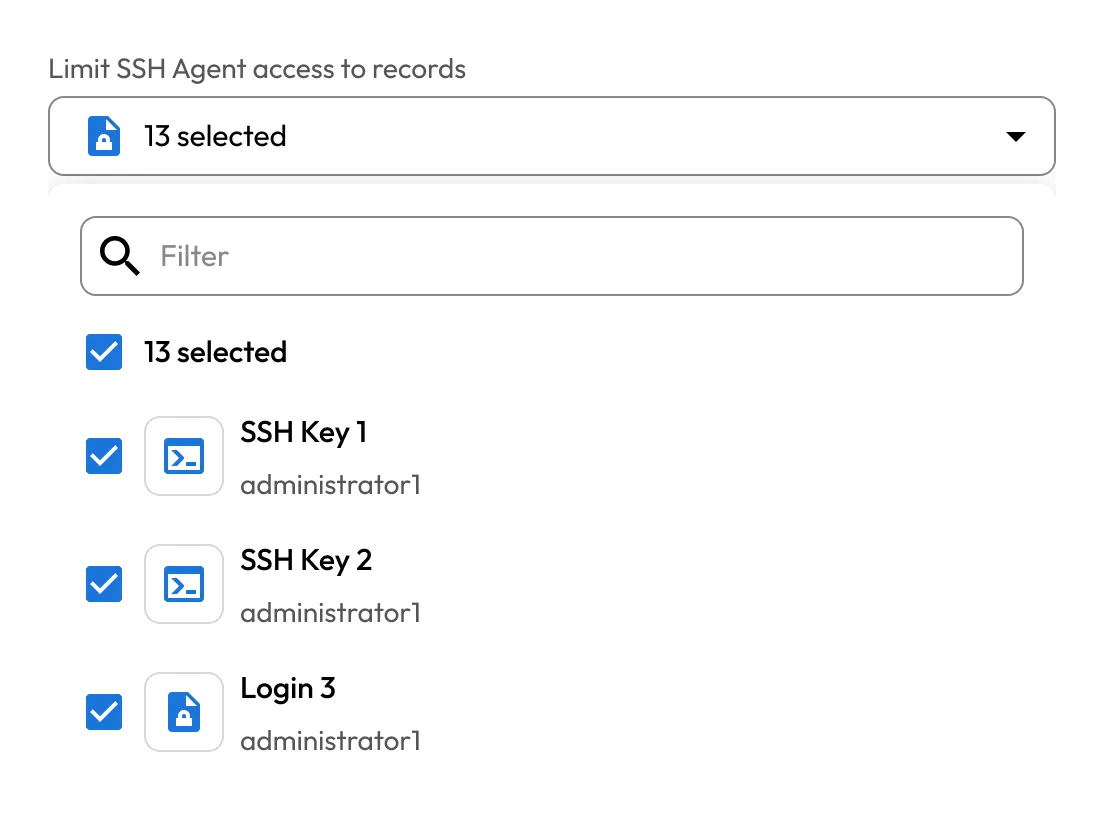
O Agente SSH do Keeper carrega dinamicamente chaves SSH do cofre criptografado em sessões apenas em memória, eliminando o armazenamento local persistente de chaves ao mesmo tempo que permite acesso fluido via terminal.
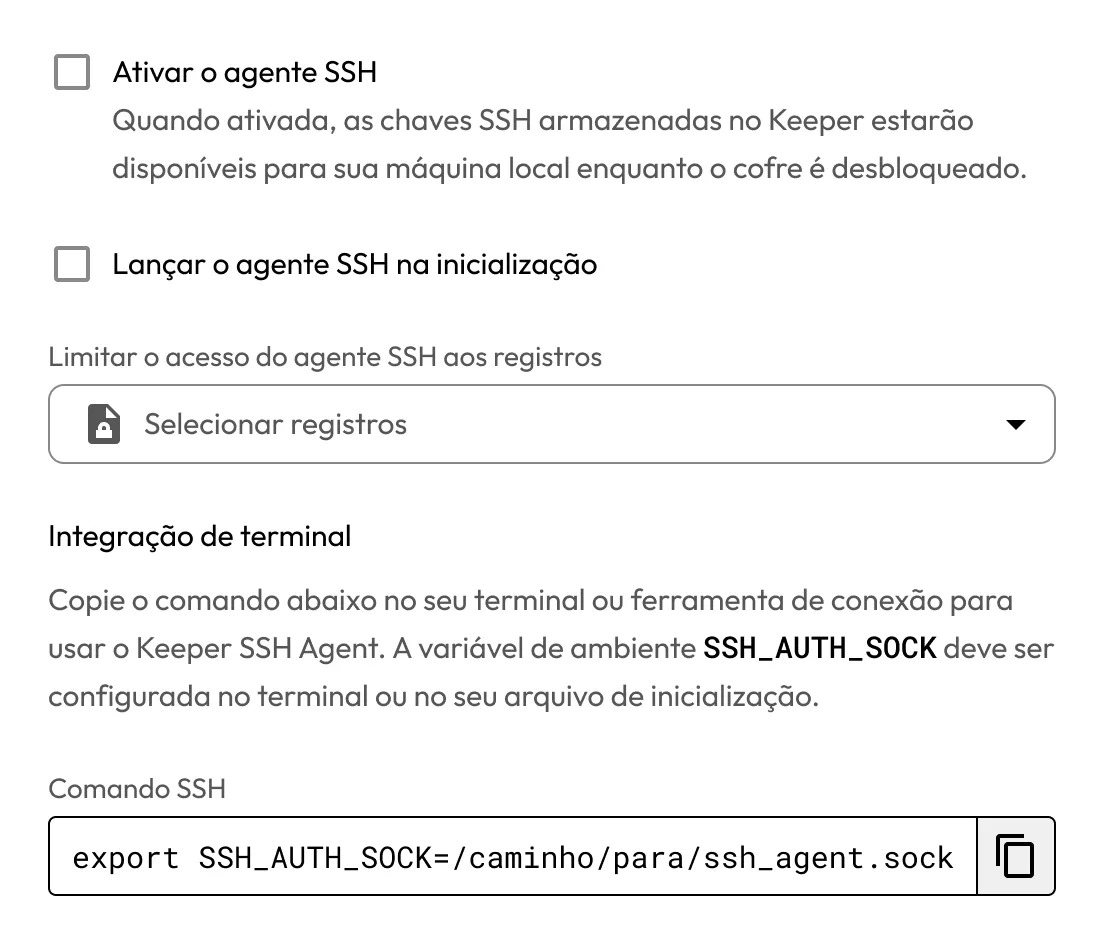
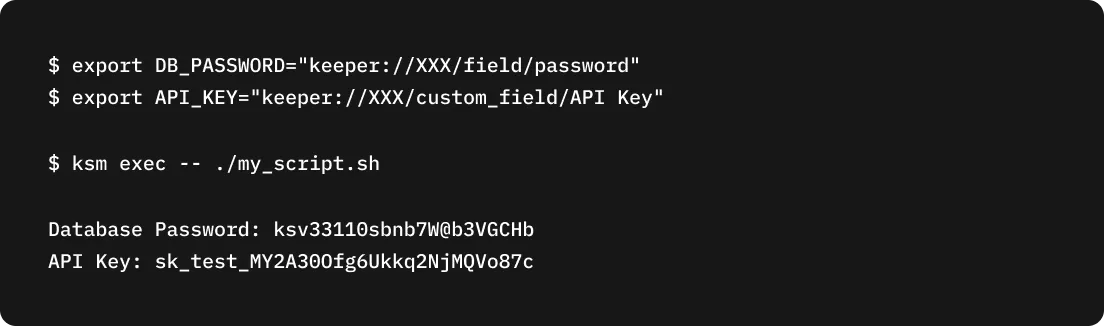
O comando exec do Keeper Secrets Manager injeta segredos em variáveis de ambiente em tempo de execução, permitindo que qualquer script, binário ou chamada de sistema implemente segredos com segurança sem alterações no código da aplicação.
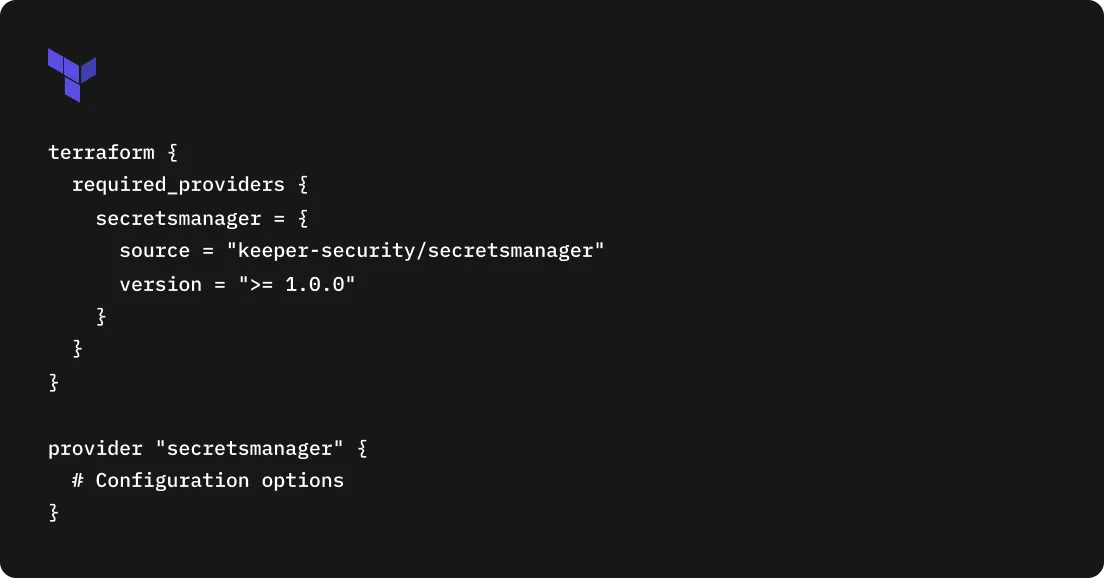
O Provedor Terraform do Keeper Secrets Manager permite que configurações do Terraform façam referência com segurança a segredos armazenados no Cofre do Keeper, evitando segredos em texto simples em arquivos de estado ou no controle de versão.
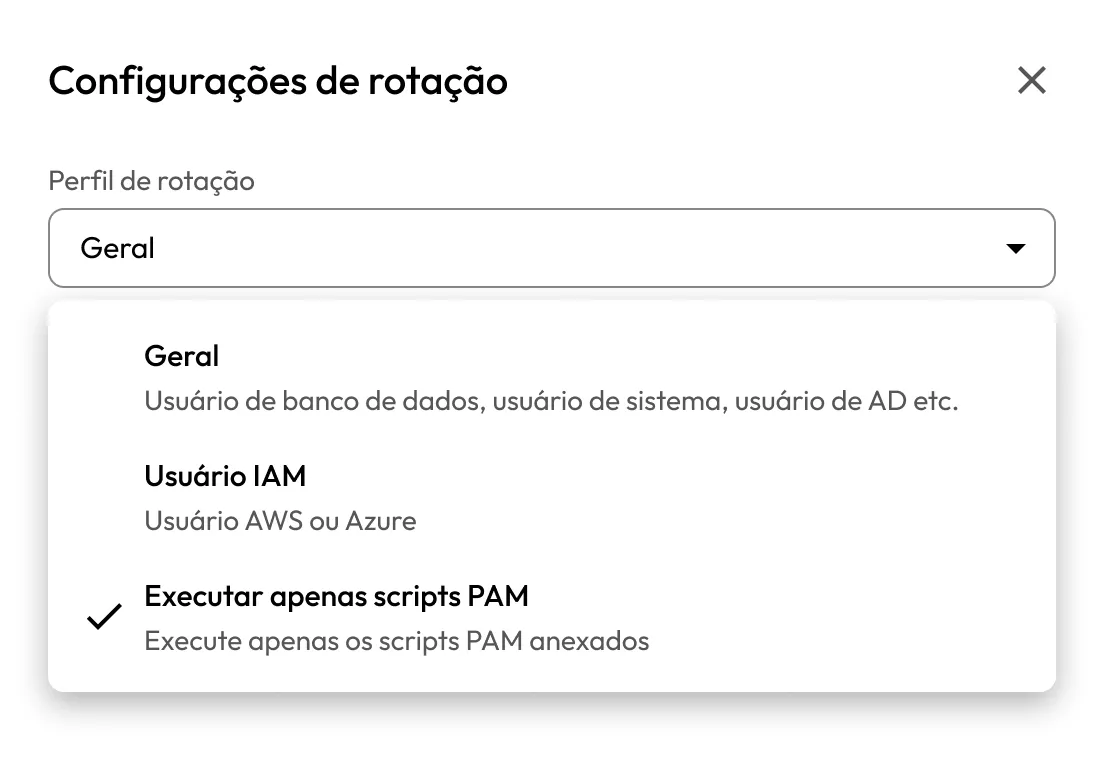
O Keeper oferece suporte à rotação automatizada de credenciais por meio de fluxos de trabalho de rotação configuráveis e scripts PAM extensíveis. As organizações podem usar scripts integrados, desenvolver lógica personalizada ou aproveitar integrações mantidas pela comunidade.
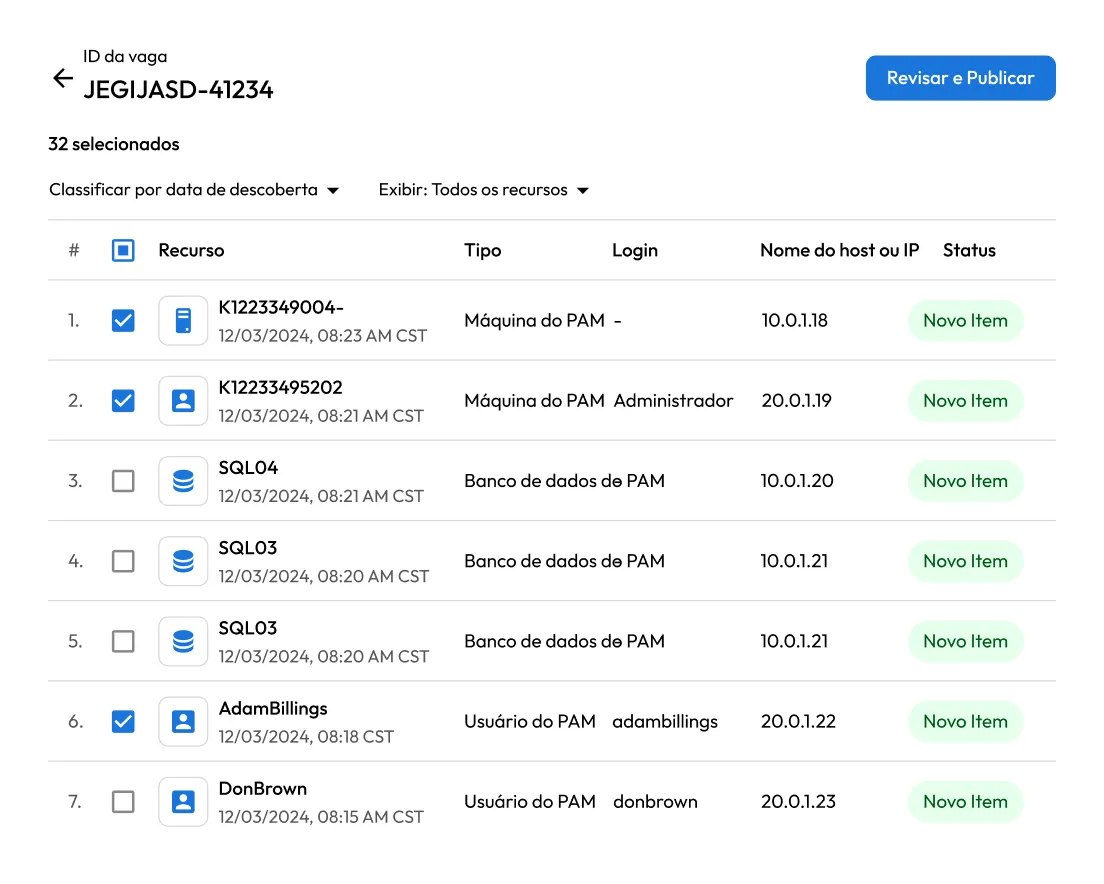
O Keeper Discovery identifica contas privilegiadas, contas de serviço e dependências de credenciais em toda a infraestrutura, ajudando equipes de segurança e DevOps a eliminar pontos cegos e reduzir riscos.
O Keeper possibilita armazenamento seguro e uso de chaves de assinatura GPG e SSH para dar suporte a commits Git verificados, protegendo repositórios contra personificação e alterações de código não autorizadas.
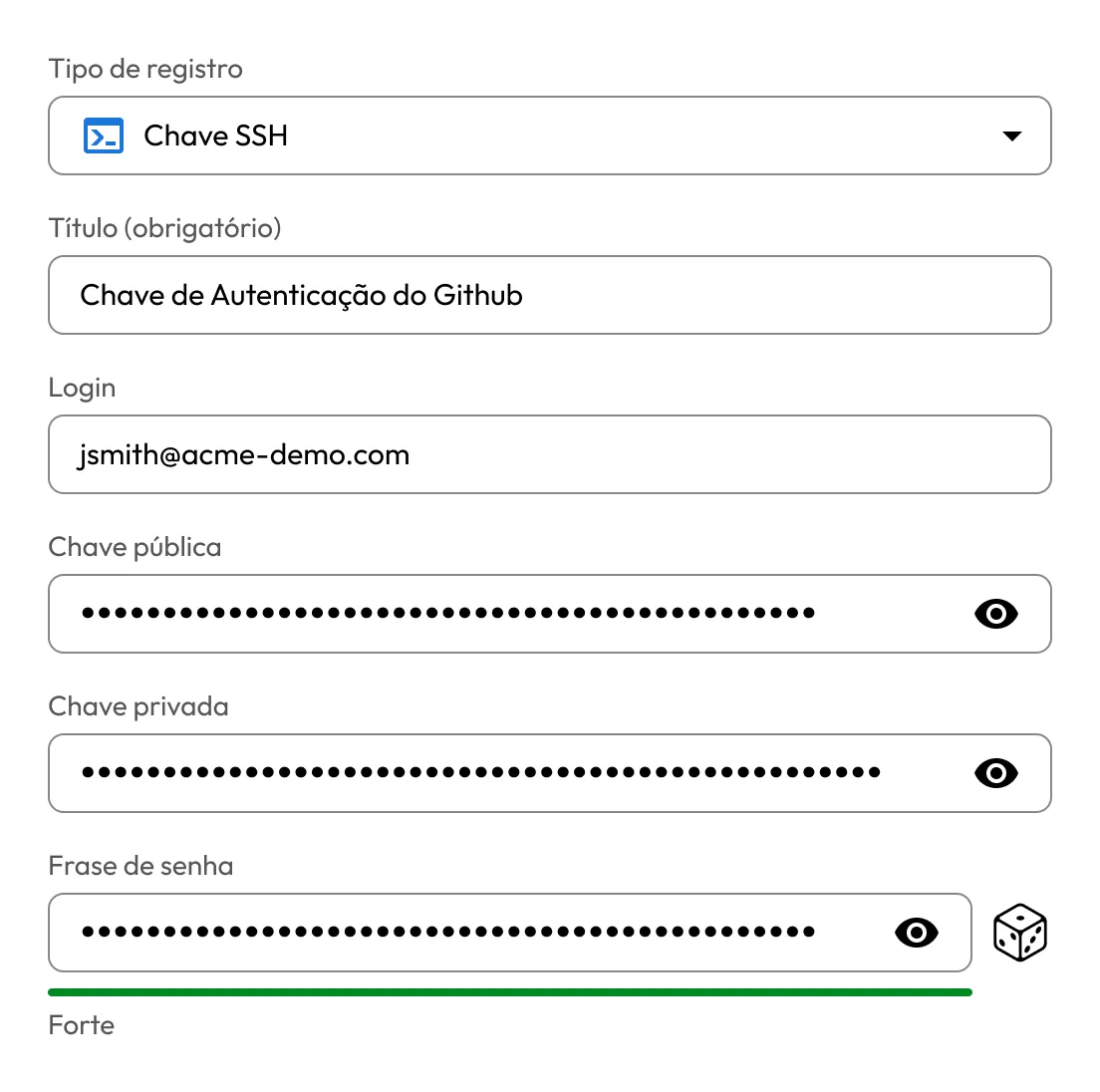
O Keeper Connections fornece acesso seguro e sem exposição de credenciais a servidores, bancos de dados e aplicações web diretamente do Cofre do Keeper. As credenciais são injetadas em tempo de execução e nunca ficam expostas aos usuários finais.
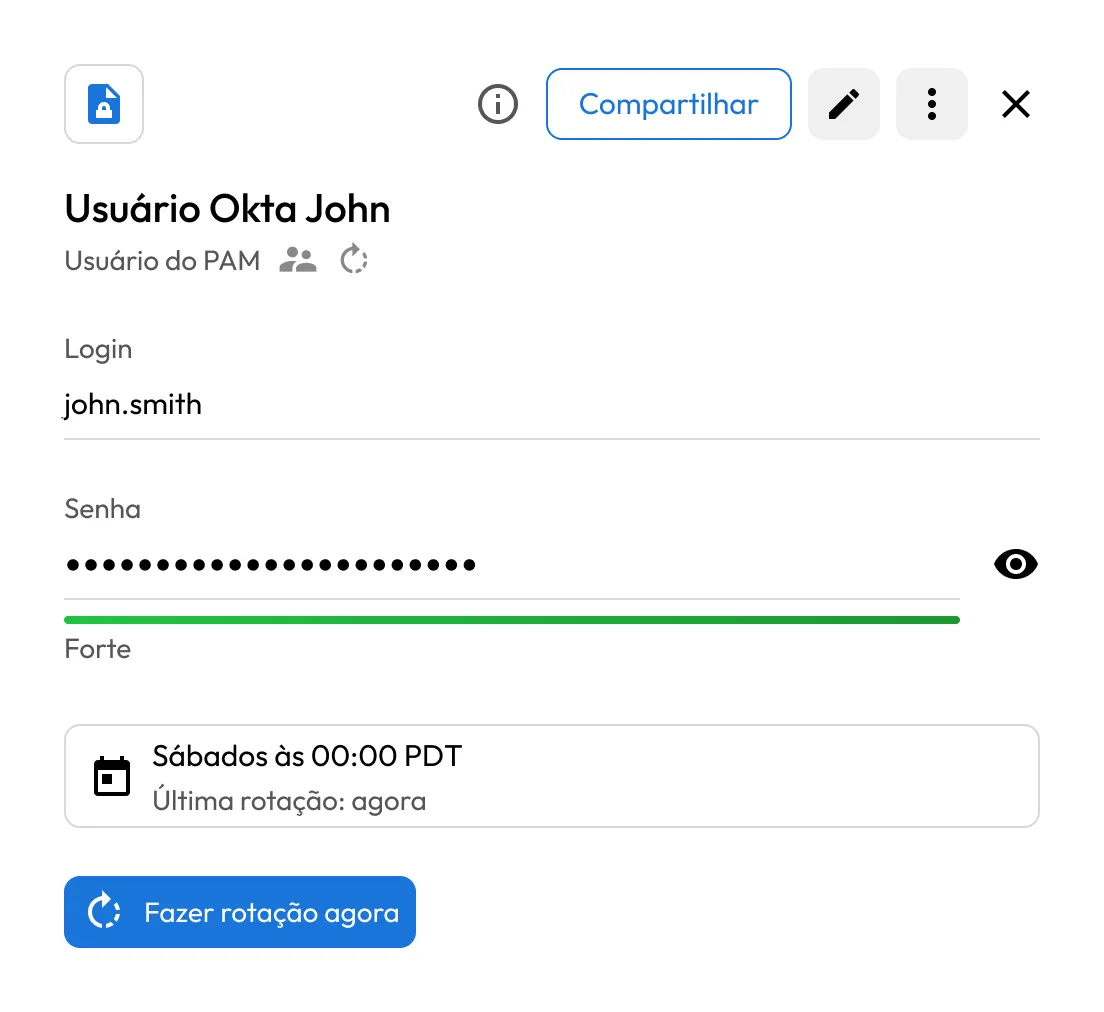
Amplie o Keeper com plugins que permitem rotação automatizada de credenciais para aplicações SaaS e serviços de terceiros. Integre fluxos de trabalho de rotação a sistemas proprietários, ferramentas internas e plataformas não compatíveis para manter higiene contínua de credenciais sem intervenção manual.
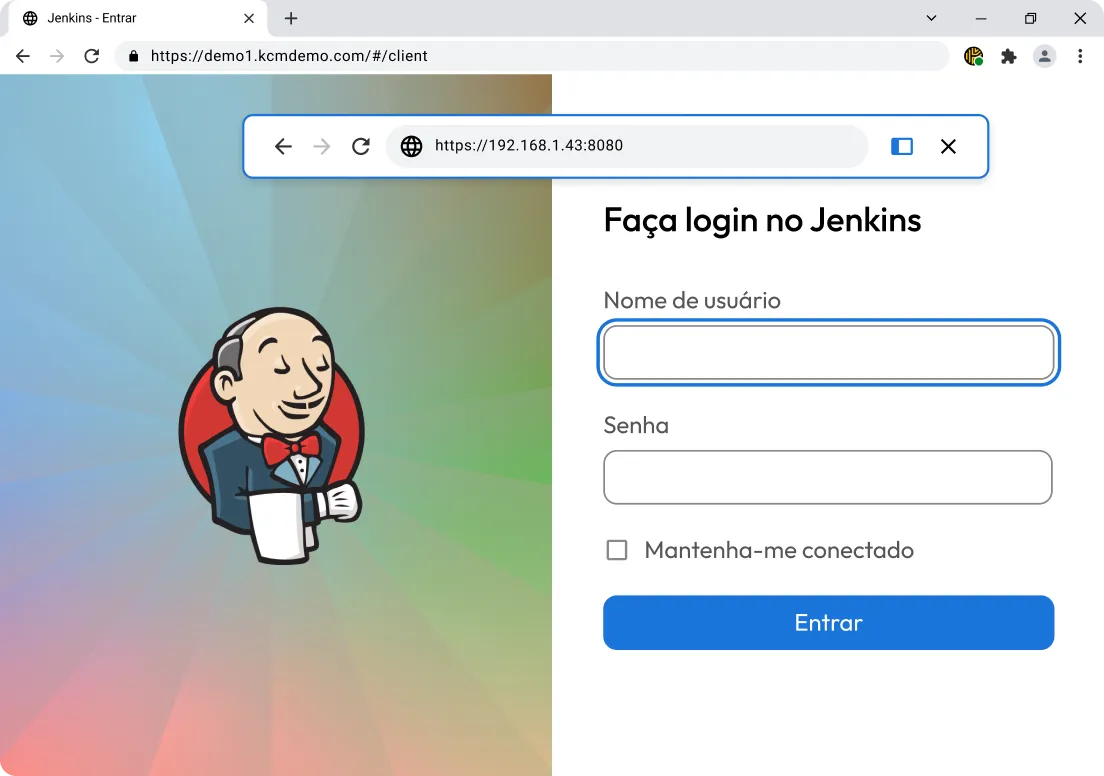
O isolamento de navegador remoto do Keeper executa sessões web em um ambiente remoto para proteger usuários contra ameaças baseadas na web. As credenciais podem ser injetadas com segurança sem serem transmitidas ou armazenadas em dispositivos endpoint.
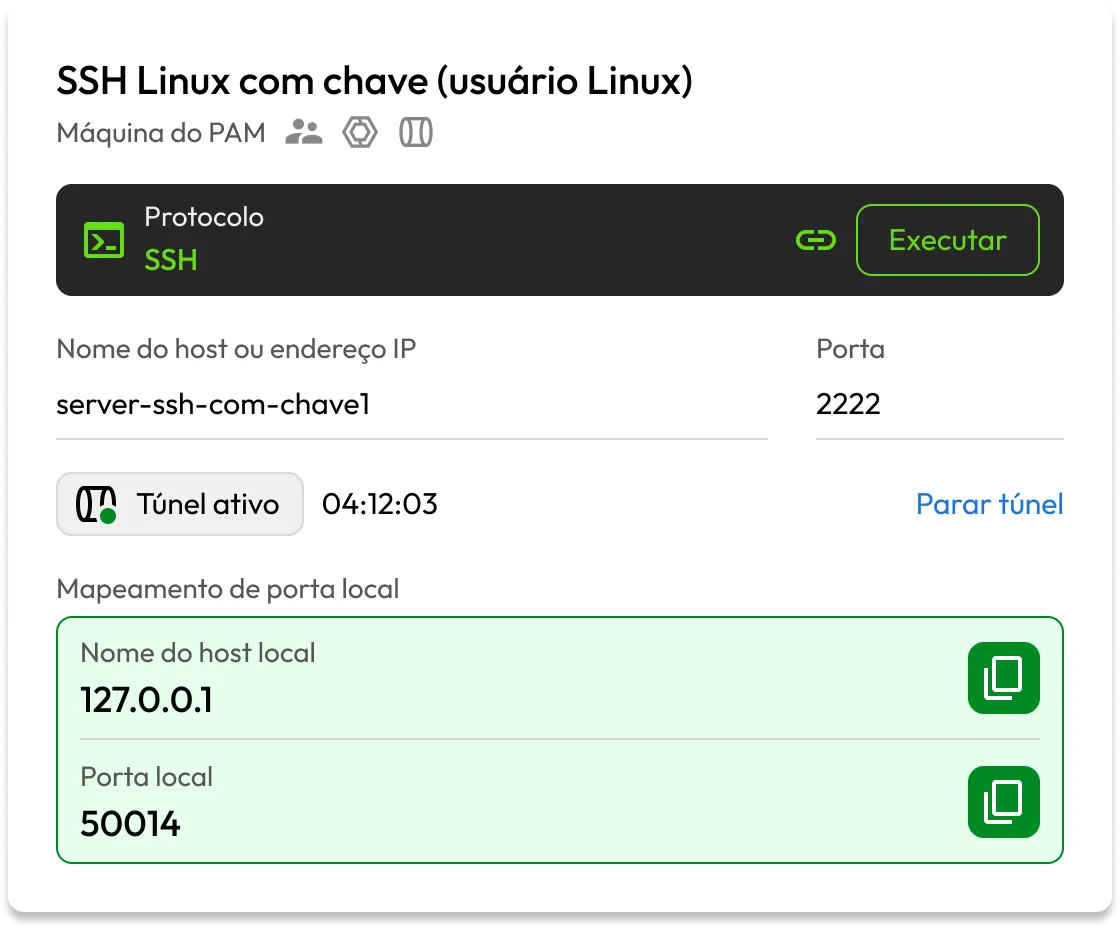
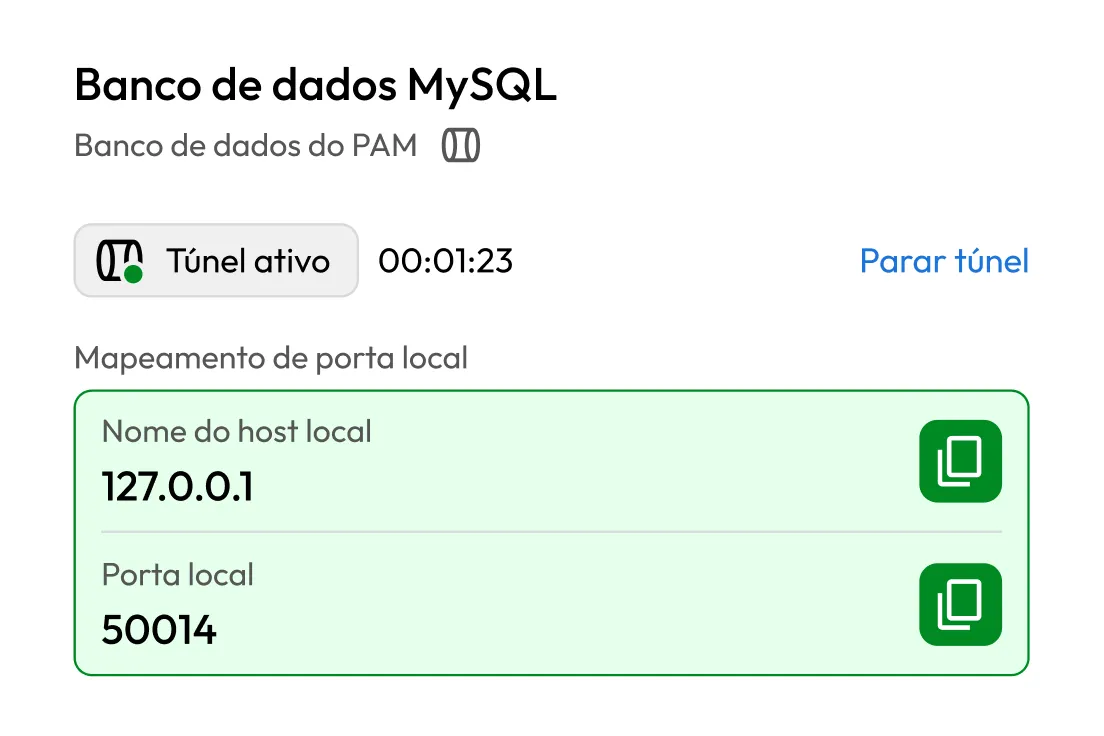
Os túneis do Keeper permitem acesso seguro a serviços internos e bancos de dados por meio de túneis criptografados, mantendo o uso de ferramentas nativas de cliente e sem expor recursos de rede publicamente.
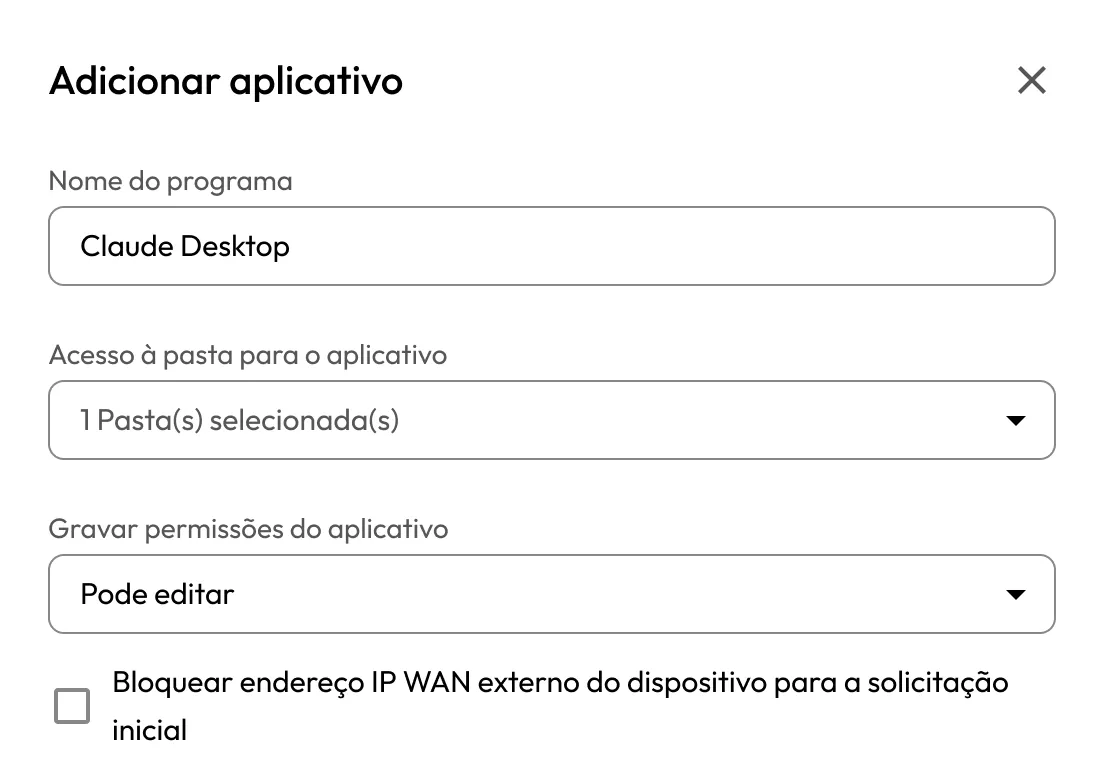
O Keeper Secrets Manager oferece suporte a acesso seguro a segredos para agentes de IA por meio do protocolo de contexto do modelo (MCP), possibilitando fluxos de trabalho automatizados ao mesmo tempo que mantém a segurança baseada em confiança zero e conhecimento zero.
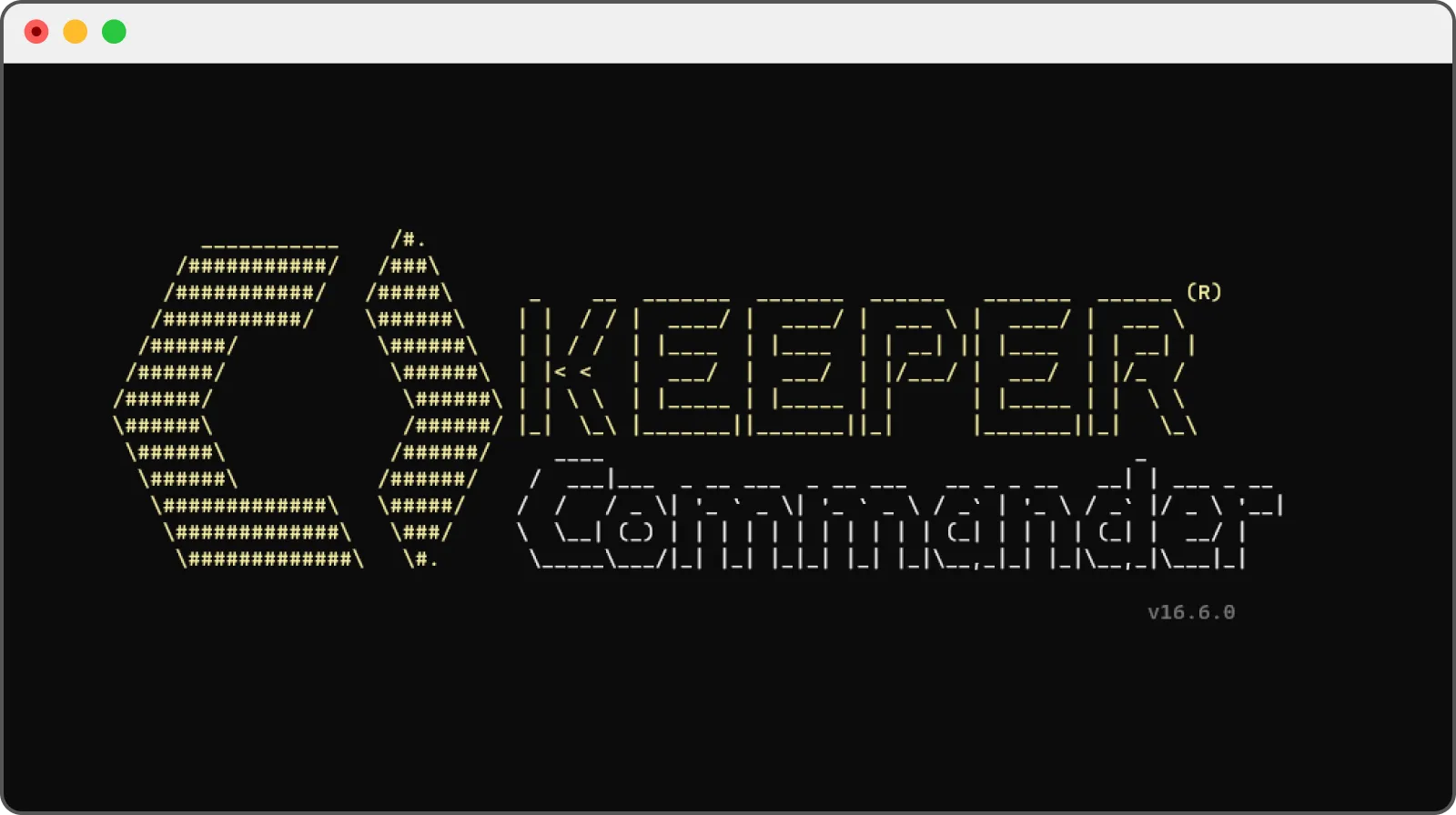
O Keeper Commander é uma interface de linha de comando completa com um supershell interativo que possibilita fluxos de trabalho seguros, automatizáveis e repetíveis em operações do cofre e administrativas, incluindo gerenciamento de usuários, relatórios, rotação de credenciais, conexões e túneis.
Implante o Keeper Commander como um serviço de REST API auto-hospedado para integrar o Cofre do Keeper e recursos administrativos a sistemas de terceiros, preservando a criptografia de conhecimento zero.
A API do Administrador do Keeper fornece acesso a registros de eventos, dados de conformidade, métricas de relatórios e insights administrativos por meio de uma interface flexível de REST API.
MSPs podem usar a API de gerenciamento de contas para administrar tenants, assinaturas, períodos de teste e métricas de uso em ambientes de clientes.
Parceiros MSP podem provisionar Keeper Family Plans de cortesia para usuários finais elegíveis por meio de um endpoint de API dedicado.
Instituições educacionais podem provisionar contas Keeper para estudantes em escala usando a API de provisionamento de alunos.
O Keeper oferece suporte ao SCIM 2.0 para provisionamento automatizado de usuários, desprovisionamento, gerenciamento de grupos, acesso a pastas compartilhadas e aplicação de políticas de execução.

O Killercoda é uma plataforma de ensino interativa que oferece experiências práticas de aprendizado para diversas ferramentas de desenvolvimento do Keeper.

SDKs e ferramentas para a plataforma Keeper Security: Commander CLI, Secrets Manager e integrações com terceiros.

As soluções de gerenciamento de conexões do Keeper são recursos com suporte comercial baseados no Apache Guacamole, desenvolvidos por seus criadores originais.

Compartilhe seu conhecimento, descubra as práticas recomendadas e fique por dentro com atualizações e insights exclusivos diretamente da equipe Keeper.
O Keeper Secrets Manager entrega segredos em tempo de execução usando SDKs, a CLI ou execução via shell. Os segredos são recuperados just-in-time do Cofre do Keeper criptografado e injetados em aplicações ou processos sem serem codificados diretamente no código-fonte, arquivos de configuração ou imagens.
Não. Por padrão, os segredos nunca são gravados em disco. Eles são recuperados com segurança em tempo de execução e mantidos apenas na memória durante a execução do processo, oferecendo suporte aos modelos de segurança de confiança zero e conhecimento zero.
Os SDKs são projetados para aplicações que precisam de acesso programático a segredos dentro do código. A CLI é ideal para scripts, automação, pipelines de CI/CD e fluxos de trabalho operacionais em que segredos são necessários sem modificar o código da aplicação.
Sim. O Keeper integra-se nativamente às principais plataformas de CI/CD e também oferece suporte ao uso em pipelines por meio da CLI e de execução via shell. Os segredos podem ser injetados com segurança em tempo de execução sem serem expostos em arquivos de configuração de pipeline ou logs.
O Keeper Secrets Manager oferece suporte a Java/Kotlin, JavaScript, Python, .NET, Go, Ruby e Rust. Métodos adicionais de acesso estão disponíveis por meio da CLI e integrações via shell.
As chaves SSH são armazenadas criptografadas no Cofre do Keeper e carregadas dinamicamente em sessões apenas em memória usando o Keeper SSH Agent. As chaves privadas nunca são gravadas em disco nem expostas aos usuários finais.
O Keeper oferece suporte a acesso seguro a segredos para agentes de IA usando o protocolo de contexto do modelo (MCP), permitindo que agentes recuperem segredos dinamicamente ao mesmo tempo que aplicam controles de segurança de confiança zero e conhecimento zero.

É preciso ativar cookies para usar o Bate-papo em tempo real.