Keeper został zaprojektowany z myślą o inżynierach
Gwarancja kontroli nad swoim środowiskiem Keeper dzięki specjalnie stworzonym narzędziom deweloperskim, pakietom SDK i natywnym integracjom.
Gwarancja kontroli nad swoim środowiskiem Keeper dzięki specjalnie stworzonym narzędziom deweloperskim, pakietom SDK i natywnym integracjom.
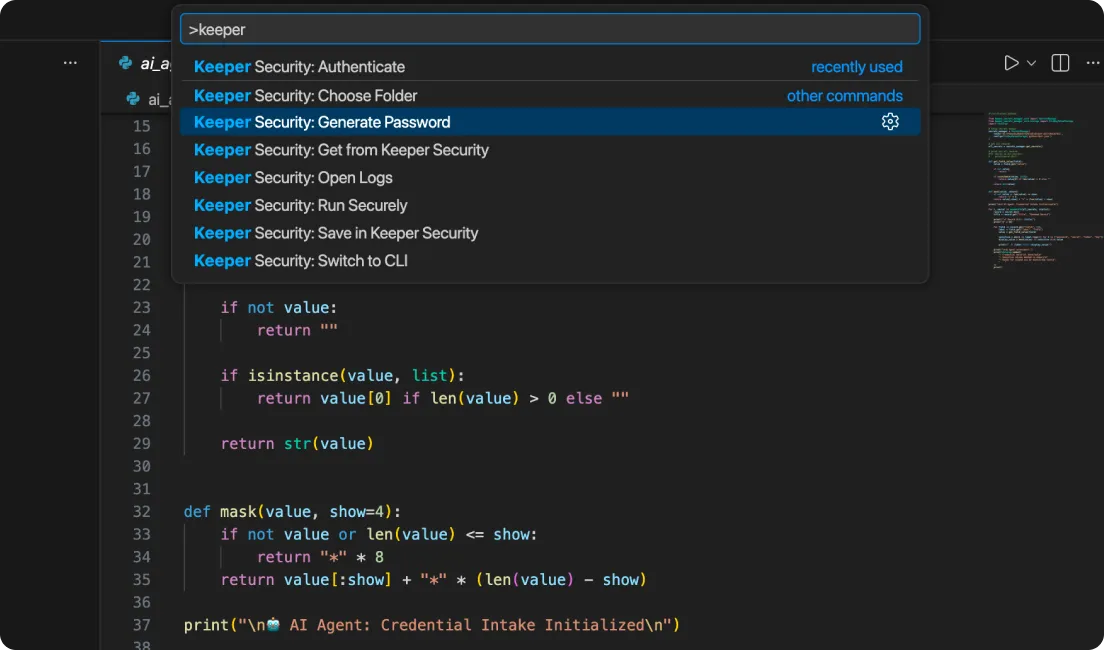
Keeper Secrets Manager for VS Code brings secure vault access directly into the development workflow, allowing developers to save, retrieve and generate secrets without leaving their editor. With support for both Keeper Commander CLI and Secrets Manager, plus secure command execution and built-in secret detection, teams can eliminate hard-coded credentials while maintaining zero-knowledge security.
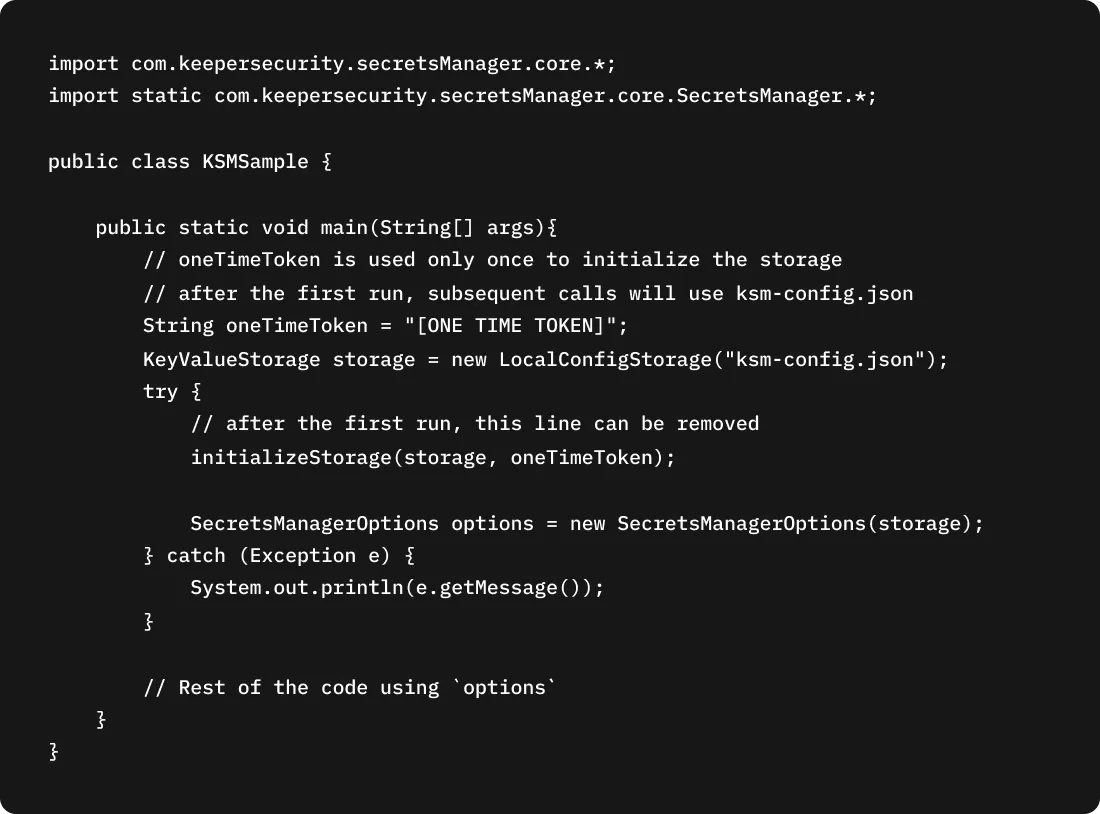
Przyspieszenie rozwoju dzięki pakietom SDK Keeper Secrets Manager, zaprojektowanym z myślą o szybkim, lekkim i bezpiecznym pobieraniu tajnych danych w nowoczesnych środowiskach aplikacyjnych. Integracja sekretów z aplikacjami przy minimalnej ilości kodu, przy jednoczesnym zachowaniu szyfrowania zero-knowledge o wysokiej wydajności.
[Obsługiwane pakiety SDK: Java/Kotlin, JavaScript, Python, .NET, Go, Ruby, Rust]
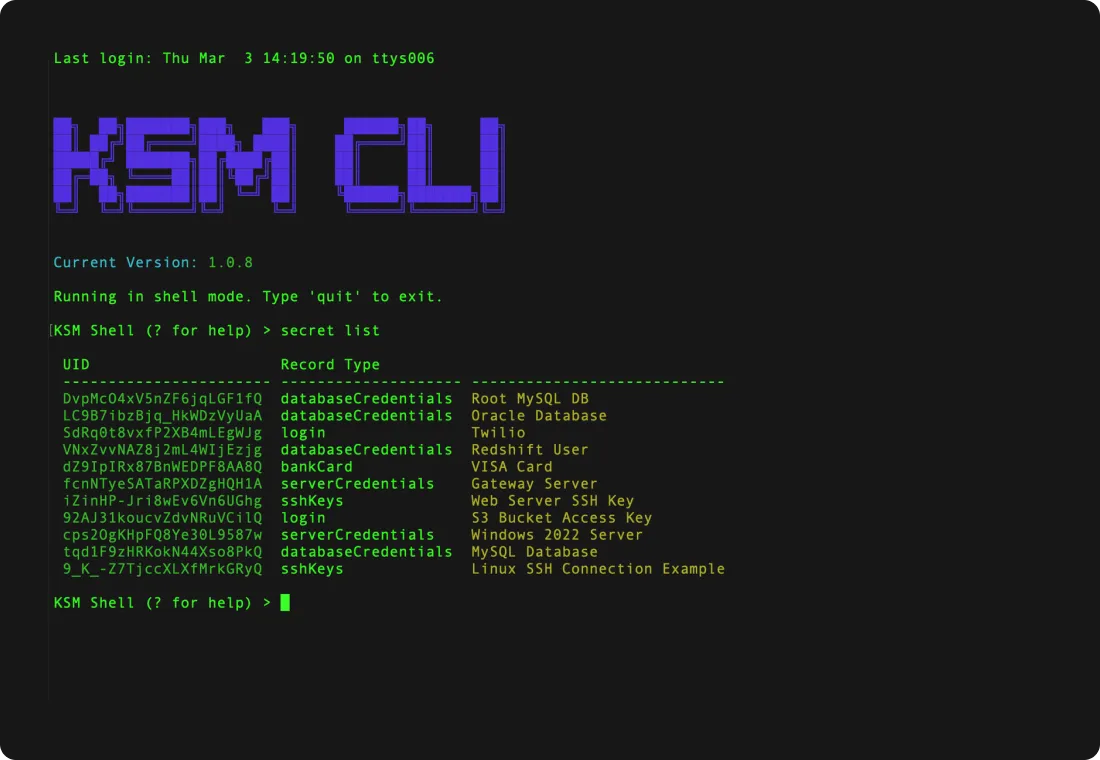
Interfejs CLI Keeper Secrets Manager umożliwia bezpieczny, maszynowy dostęp do tajnych danych bezpośrednio z terminali, skryptów i procesów automatyzacji. Możliwości obejmują pobieranie tajnych danych, wtryskiwanie zmiennych środowiskowych, inicjalizację konfiguracji i obsługę wykonywania powłoki.
The Keeper Commander SDKs for .NET and Python provide programmatic access to the Keeper Vault, Enterprise Admin Console and Secrets Manager. They enable secure credential management, enterprise policy control and automation at scale, allowing organizations to embed Keeper’s zero-trust security into custom applications and DevOps workflows.
Keeper Secrets Manager integruje się natywnie z popularnymi platformami CI/CD, środowiskami kontenerów i narzędziami do orkiestracji, w tym Kubernetes, umożliwiając bezpieczne wstrzykiwanie tajnych danych w czasie rzeczywistym bez konieczności używania zakodowanych danych uwierzytelniających ani zakłócania przepływu pracy.
Keeper SSH Key Management centralizuje przechowywanie kluczy SSH, kontrolę dostępu i zarządzanie cyklem życia. Obejmuje automatyczną rotację, kontrolę dostępu opartą na rolach (RBAC), rejestrowanie audytów i bezpieczny dostęp oparty na przeglądarce. Brak odsłoniętych kluczy prywatnych. Nie potrzeba VPN.
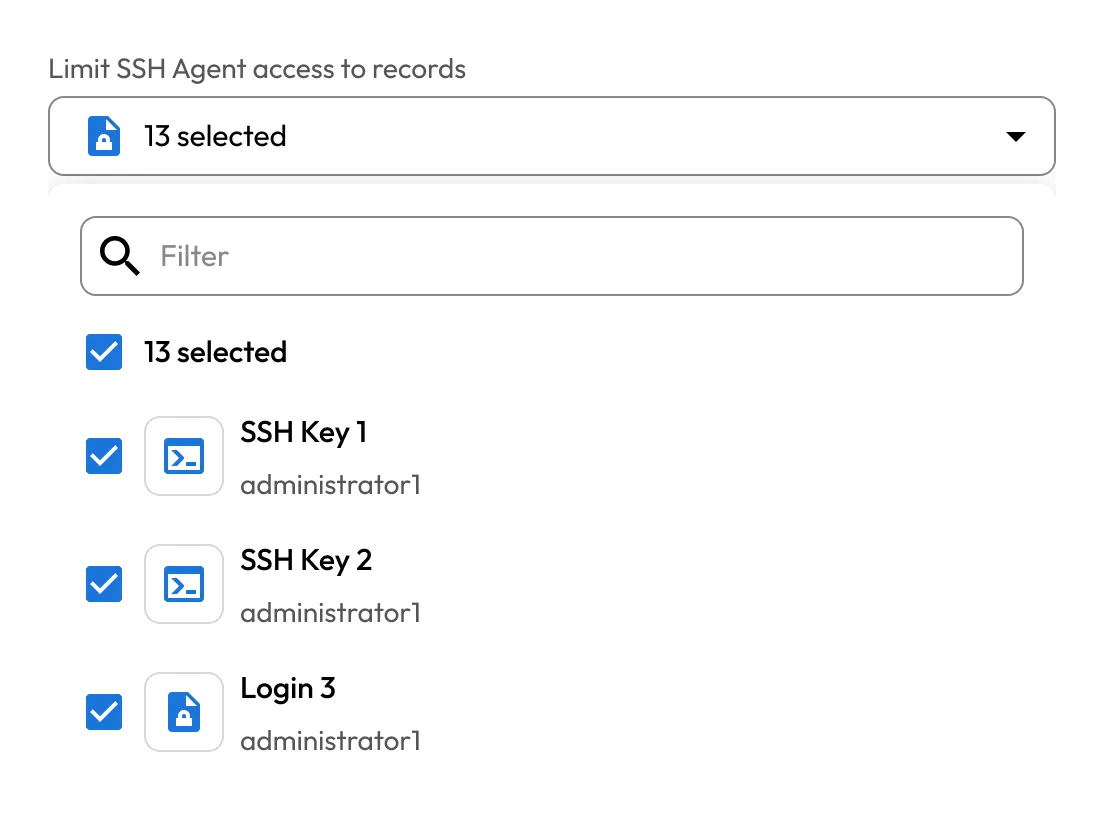
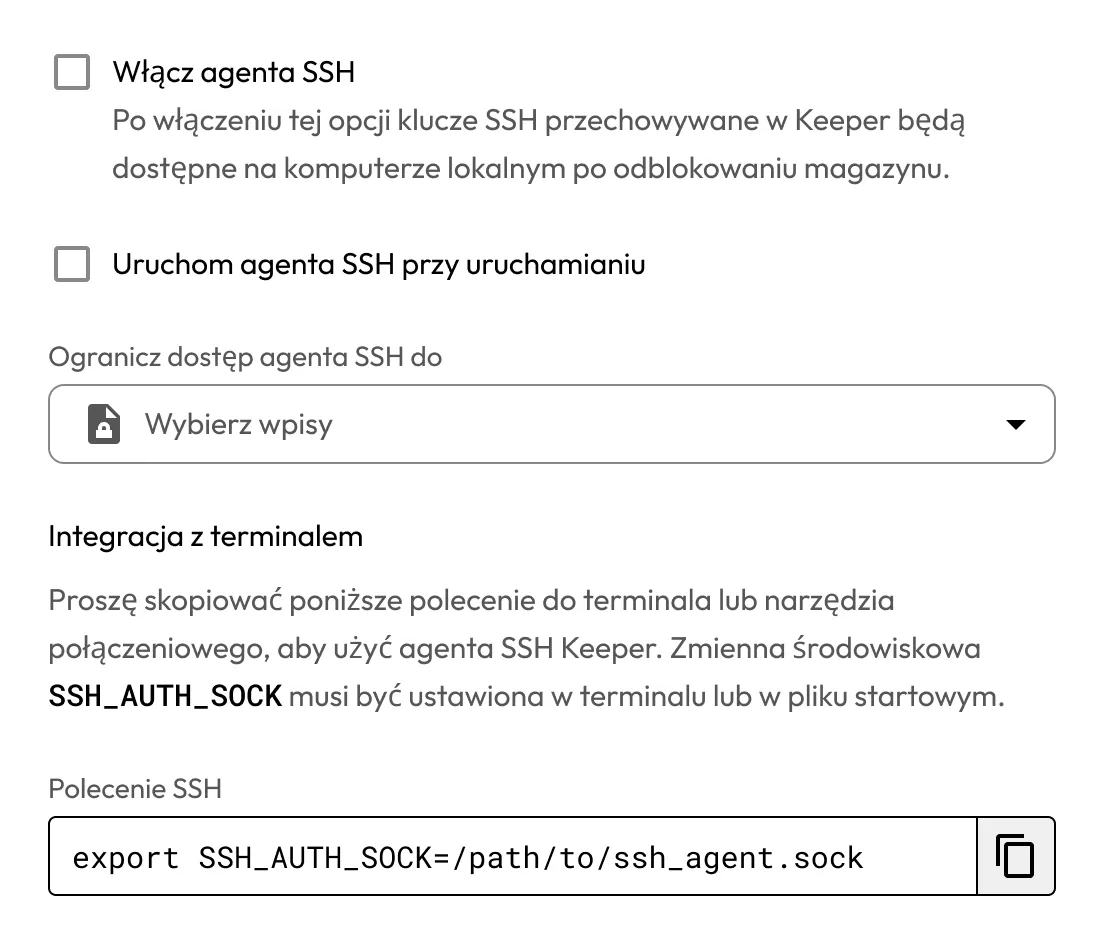
Agent SSH firmy Keeper dynamicznie ładuje klucze SSH z zaszyfrowanego sejfu do sesji przechowywanych wyłącznie w pamięci, eliminując trwałe lokalne przechowywanie kluczy i umożliwiając płynny dostęp z poziomu terminala.
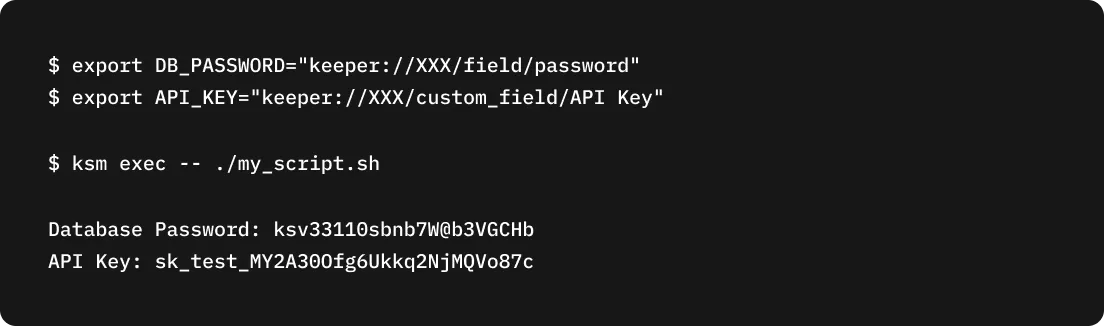
Polecenie exec w Keeper Secrets Manager wstrzykuje tajne dane do zmiennych środowiskowych w czasie wykonywania, umożliwiając dowolnemu skryptowi, plikowi binarnemu lub wywołaniu systemowemu bezpieczne wykorzystanie tajnych danych bez konieczności wprowadzania zmian w kodzie aplikacji.
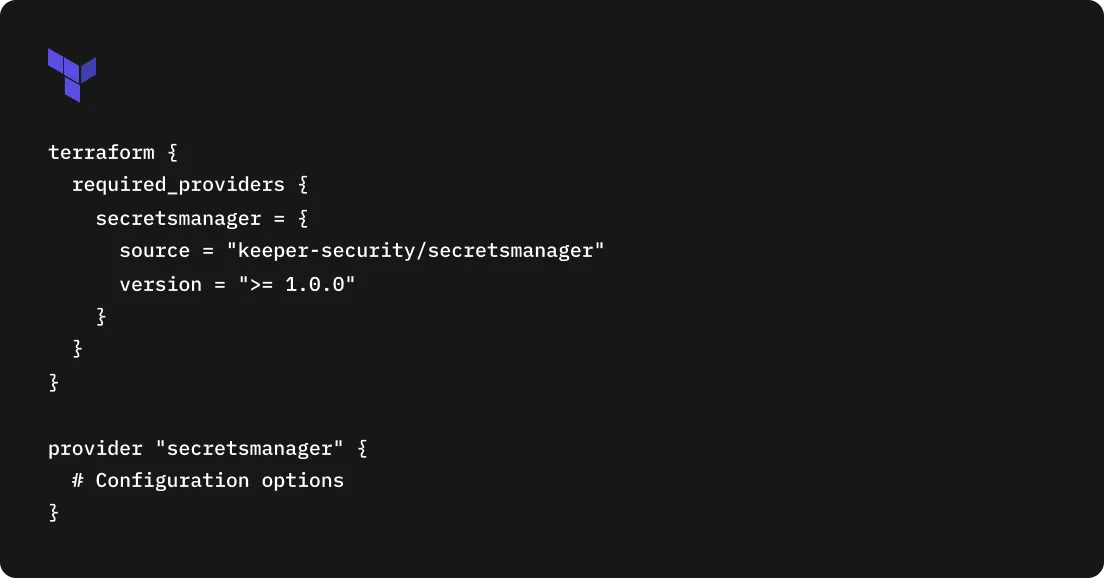
Dostawca Terraform Keeper Secrets Manager umożliwia konfiguracjom Terraform bezpieczne odwoływanie się do tajnych danych przechowywanych w sejfie Keeper, zapobiegając przechowywaniu tajnych danych w postaci zwykłego tekstu w plikach stanu lub kontroli wersji.
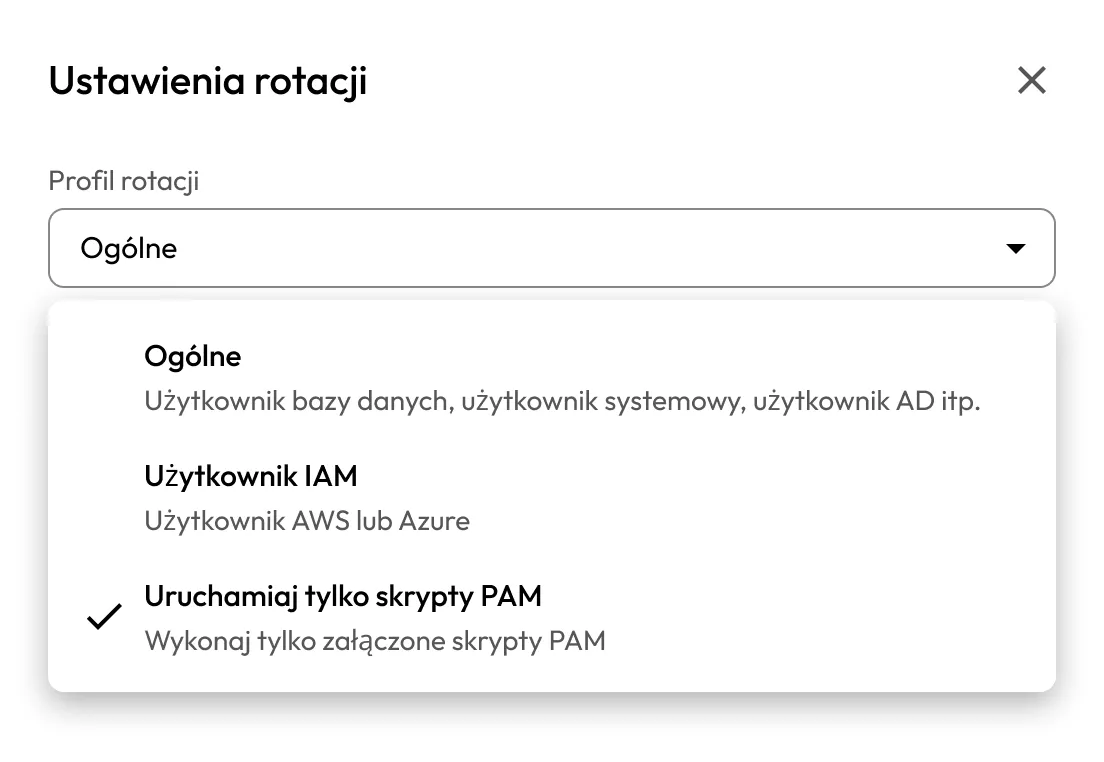
Keeper obsługuje automatyczną rotację tajnych danych za pomocą konfigurowalnych przepływów pracy i rozszerzalnych skryptów PAM. Organizacje mogą korzystać z wbudowanych skryptów, tworzyć niestandardową logikę lub wykorzystywać integracje wspierane przez społeczność.
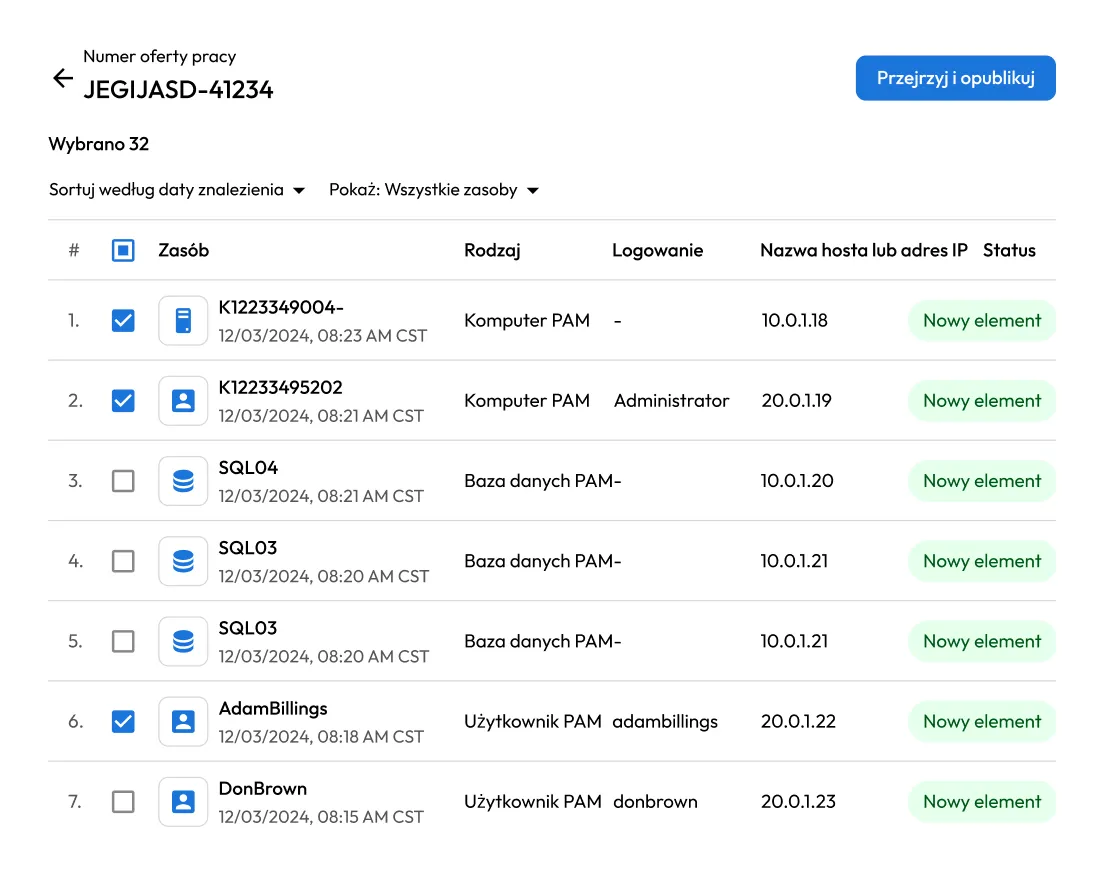
Keeper Discovery identyfikuje konta uprzywilejowane, konta usług i zależności danych uwierzytelniających w całej infrastrukturze, pomagając zespołom ds. bezpieczeństwa i DevOps wyeliminować niewidoczne obszary i zmniejszyć ryzyko.
Keeper umożliwia bezpieczne przechowywanie i używanie kluczy podpisujących GPG i SSH, aby wspierać zweryfikowane zatwierdzenia w Git, chroniąc repozytoria przed podszywaniem się i nieautoryzowanymi zmianami kodu.
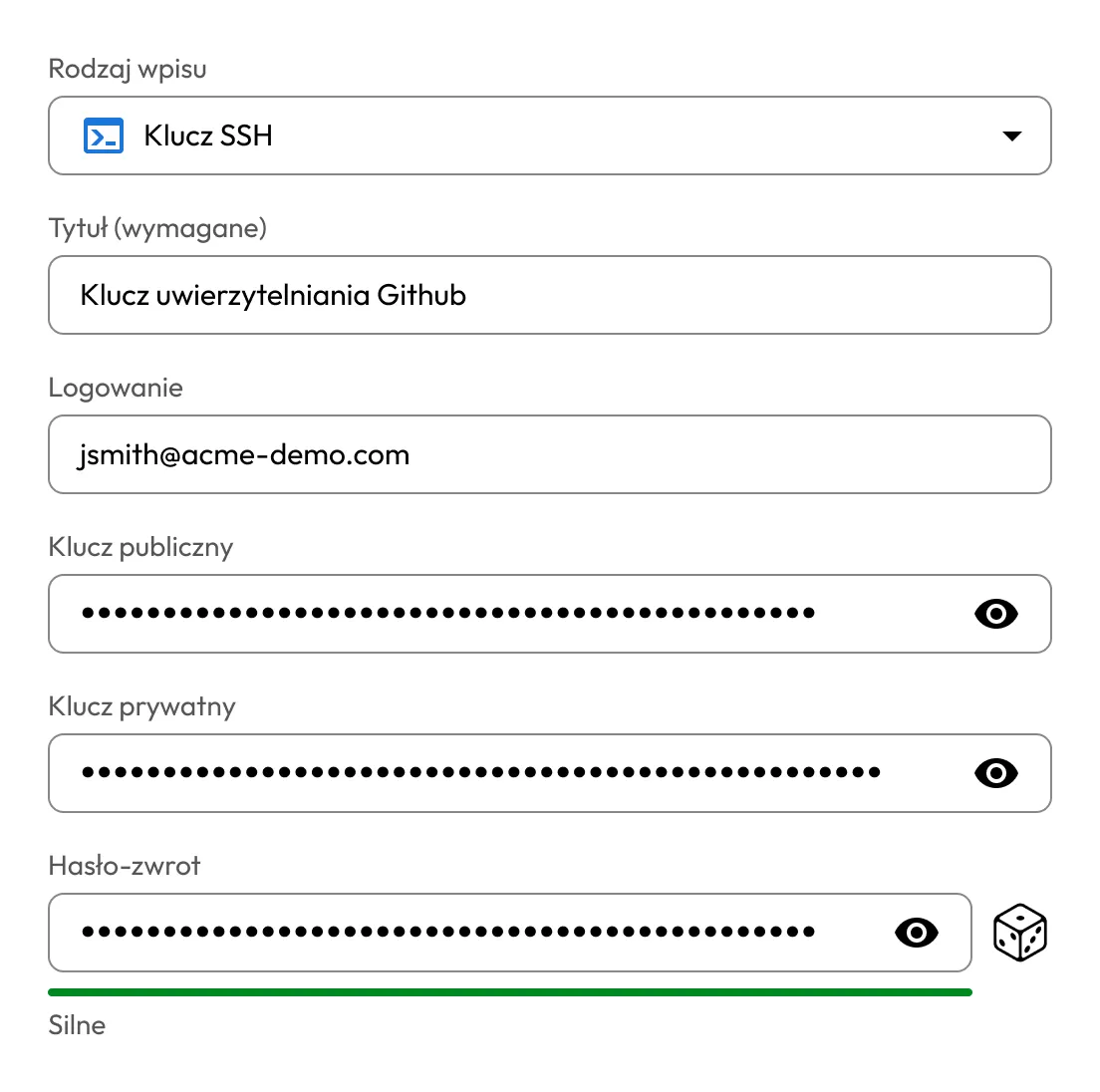
Keeper Connections zapewnia bezpieczny, niewymagający danych uwierzytelniających dostęp do serwerów, baz danych i aplikacji internetowych bezpośrednio z sejfu Keeper. Dane uwierzytelniające są wstrzykiwane w czasie wykonywania i nigdy nie są ujawniane użytkownikom końcowym.
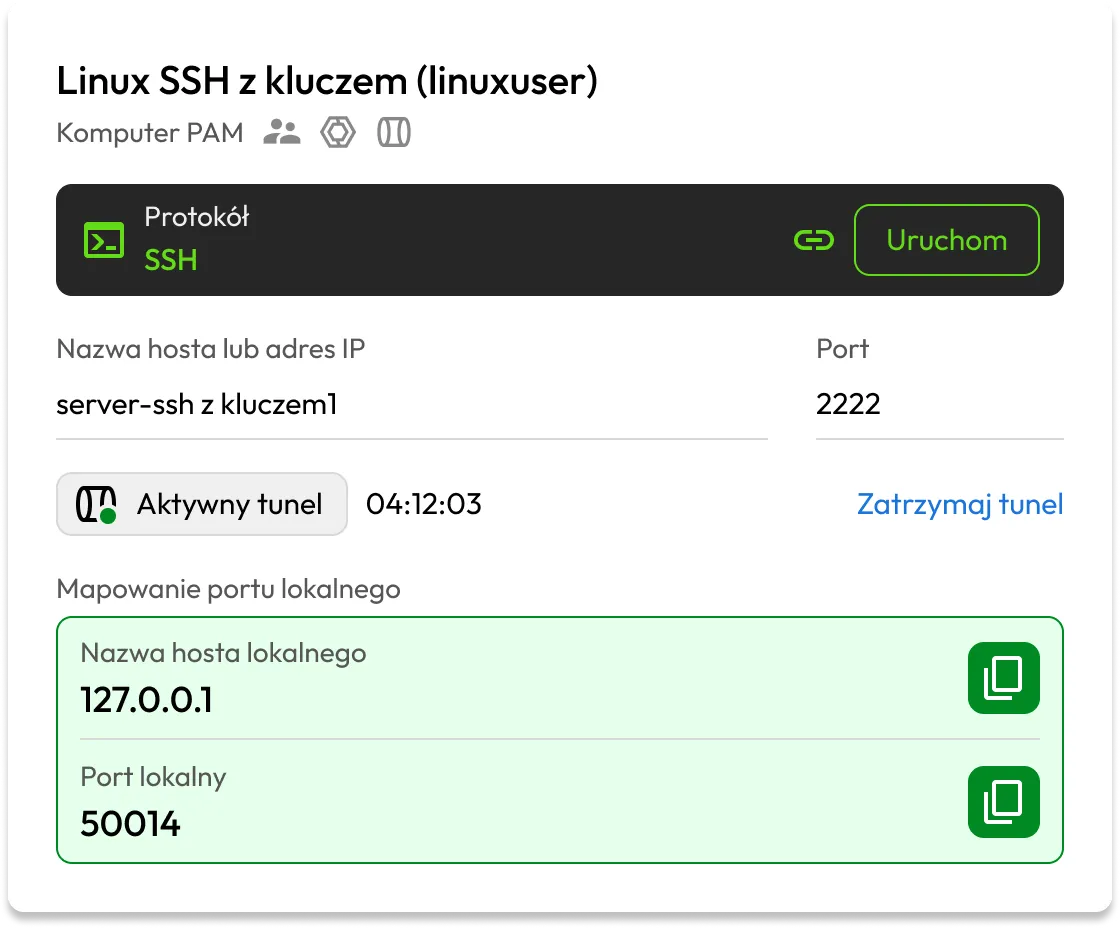
Rozszerzenie Keeper o wtyczki umożliwiające automatyczną rotację danych uwierzytelniających dla aplikacji SaaS i usług innych firm. Integracja przepływów pracy rotacji z zastrzeżonymi systemami, narzędziami wewnętrznymi i nieobsługiwanymi platformami w celu utrzymania ciągłej higieny danych uwierzytelniających bez ręcznej interwencji.
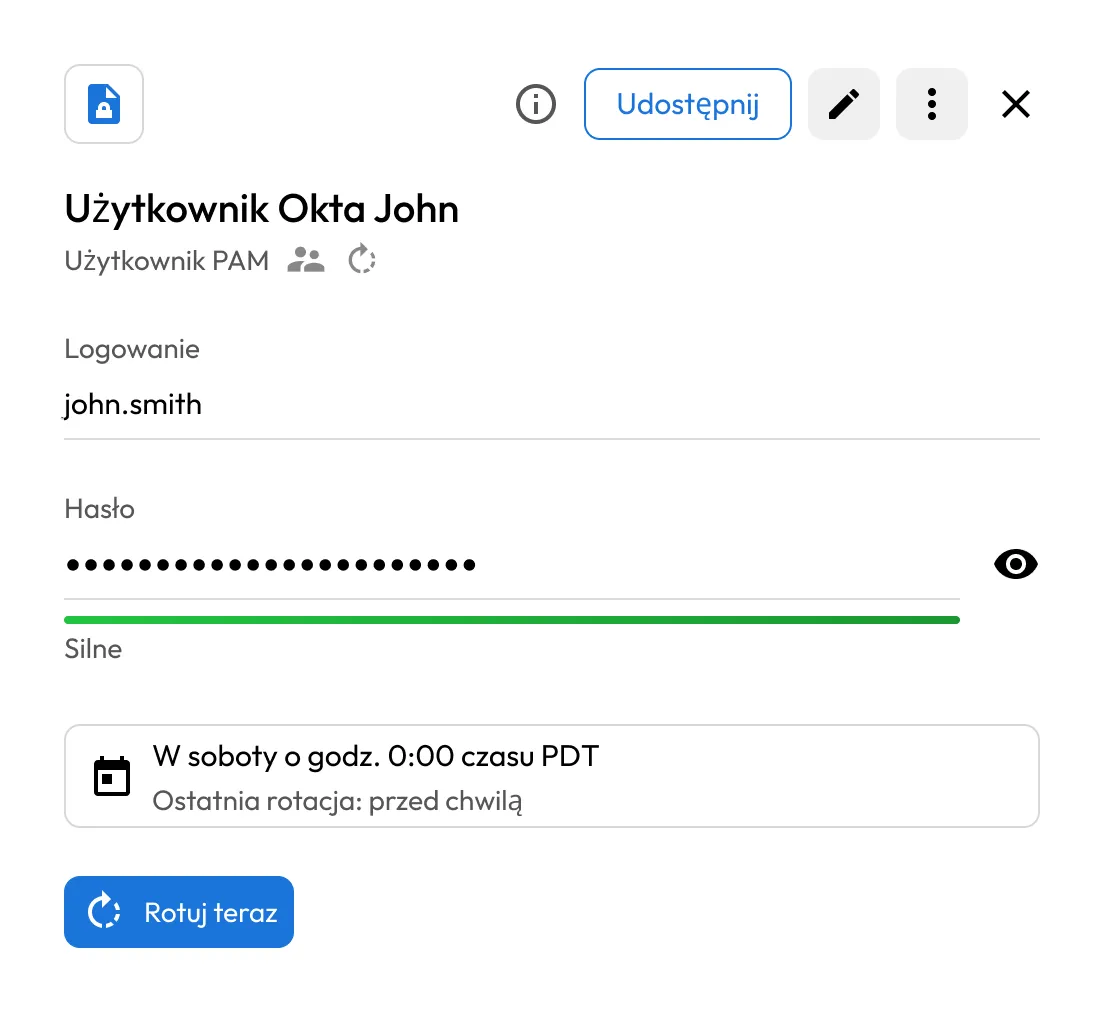
Keeper Remote Browser Isolation wykonuje sesje internetowe w środowisku zdalnym w celu ochrony użytkowników przed zagrożeniami internetowymi. Dane uwierzytelniające mogą być bezpiecznie wstrzykiwane bez przesyłania do urządzeń końcowych ani przechowywania na nich.
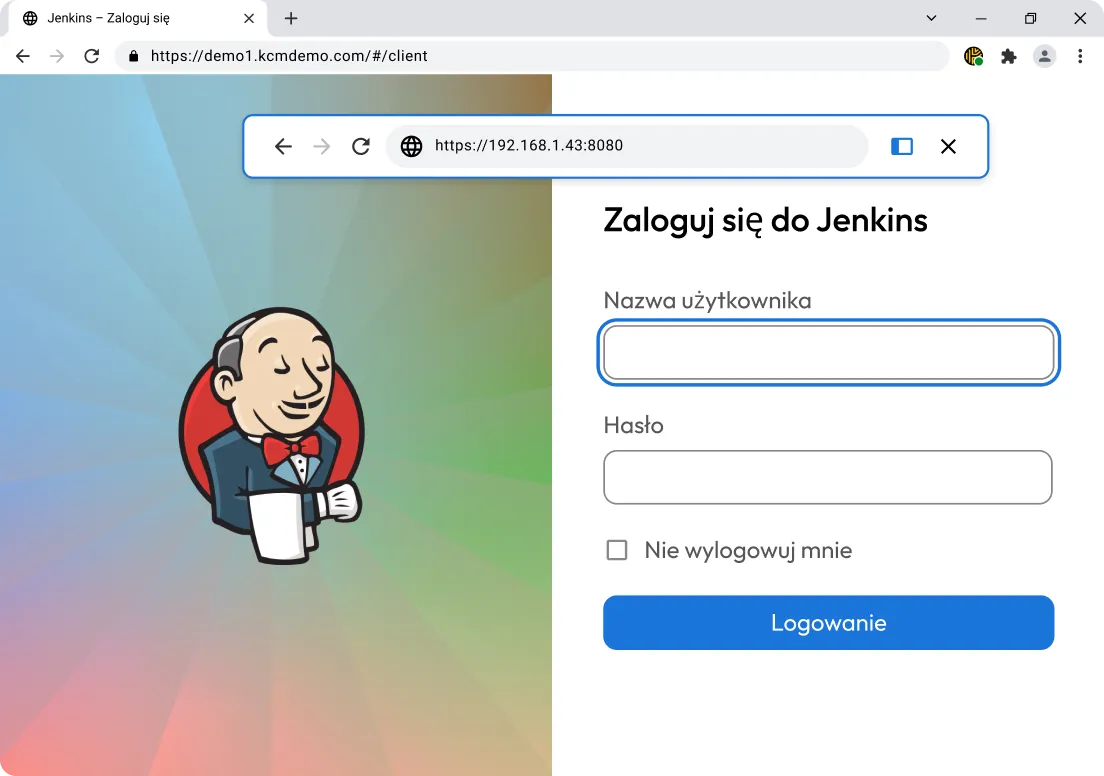
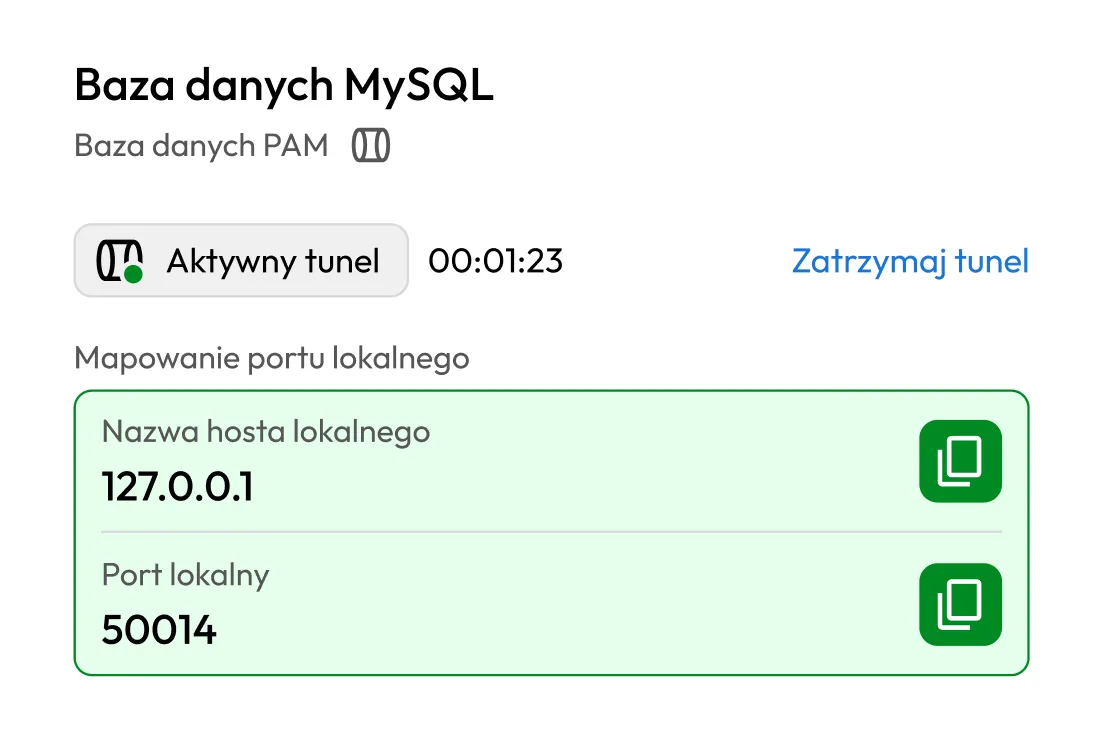
Keeper Tunneling umożliwia bezpieczny dostęp do wewnętrznych usług i baz danych za pośrednictwem zaszyfrowanych tuneli, przy jednoczesnym dalszym korzystaniu z natywnych narzędzi klienckich i bez publicznego ujawniania zasobów sieciowych.
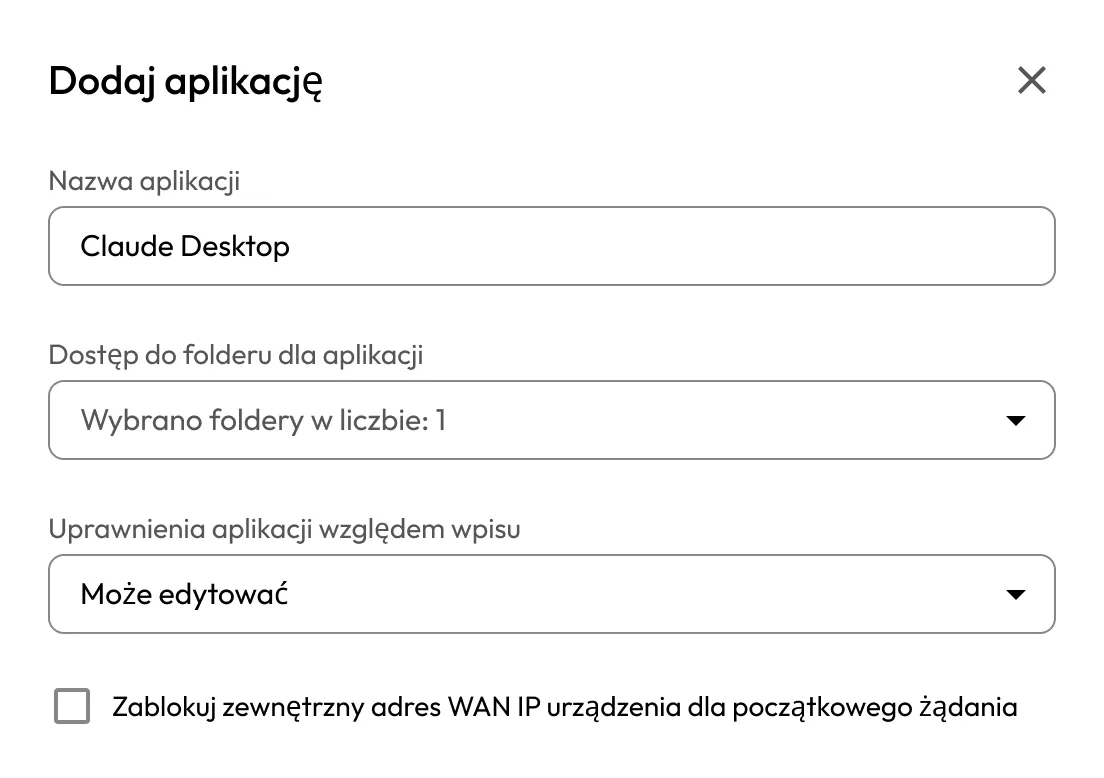
Keeper Secrets Manager umożliwia bezpieczny dostęp do tajnych danych dla agentów AI za pośrednictwem protokołu Model Context Protocol (MCP), wspierając zautomatyzowane przepływy pracy przy jednoczesnym zachowaniu bezpieczeństwa opartego na zasadach zero-trust i zero-knowledge.
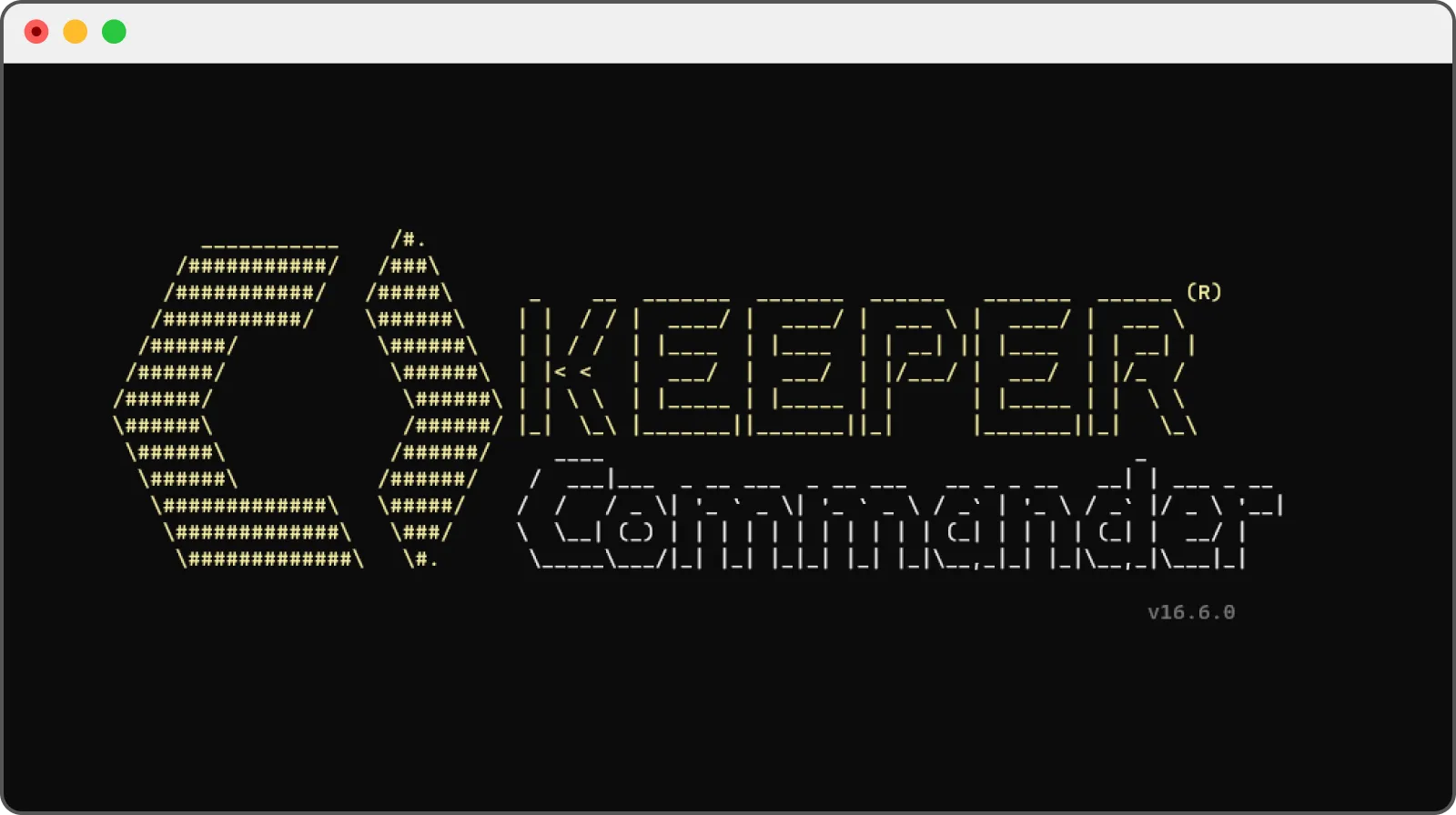
Keeper Commander to kompleksowy interfejs wiersza poleceń z interaktywną powłoką, który umożliwia bezpieczne, skryptowalne i powtarzalne przepływy pracy w ramach operacji związanych z sejfem i administracją, w tym zarządzanie użytkownikami, raportowanie, rotację danych uwierzytelniających, połączenia i tunelowanie.
Wdrożenie Keeper Commander jako samoobsługowej usługi REST API w celu integracji sejfu Keeper i funkcji administracyjnych z systemami innych firm przy jednoczesnym zachowaniu szyfrowania zero-knowledge.
Interfejs Keeper Admin API zapewnia dostęp do dzienników zdarzeń, danych zgodności, wskaźników raportowych oraz informacji administracyjnych za pośrednictwem elastycznego interfejsu REST API.
Dostawcy MSP mogą korzystać z interfejsu API Account Management do zarządzania dzierżawami, subskrypcjami, wersjami próbnymi i wskaźnikami użytkowania w środowiskach klientów.
Partnerzy MSP mogą udostępniać bezpłatne plany rodzinne Keeper Family Plan kwalifikującym się użytkownikom końcowym za pośrednictwem dedykowanego punktu końcowego API.
Instytucje edukacyjne mogą udostępniać konta Keeper Student na dużą skalę za pomocą interfejsu API udostępniania kont studenckich.
Keeper obsługuje standard SCIM 2.0 w celu automatycznego przydzielania i odbierania użytkowników, zarządzania grupami, dostępu do folderów współdzielonych oraz egzekwowania zasad.

Killercoda to interaktywna platforma edukacyjna oferująca praktyczne doświadczenia edukacyjne z wieloma narzędziami deweloperskimi Keeper.

Pakiety SDK i narzędzia dla platformy Keeper Security: Commander CLI, Secrets Manager oraz integracje z rozwiązaniami innych firm.

Rozwiązania do zarządzania połączeniami Keeper są komercyjnie wspieranymi funkcjami napędzanymi przez Apache Guacamole, opracowane przez jego oryginalnych twórców.

Możliwość wymiany wiedzy, odkrywania najlepszych praktyk oraz uzyskiwania aktualnych informacji dzięki ekskluzywnym aktualizacjom i spostrzeżeniom bezpośrednio od zespołu Keeper.
Keeper Secrets Manager dostarcza tajne dane w czasie wykonywania za pomocą pakietów SDK, interfejsu CLI lub wykonywania powłoki. Tajne dane są pobierane na czas z zaszyfrowanego repozytorium i wstrzykiwane do aplikacji lub procesów bez twardego kodowania w kodzie źródłowym, plikach konfiguracyjnych lub obrazach.
Nie, tajne dane nigdy nie są domyślnie zapisywane na dysku. Są one bezpiecznie pobierane w czasie wykonywania i przechowywane w pamięci tylko przez cały czas trwania procesu, wspierając modele bezpieczeństwa oparte na zasadach zero-trust i zero-knowledge.
Pakiety SDK są przeznaczone dla aplikacji wymagających programowego dostępu do tajnych danych w kodzie. CLI jest idealny do skryptów, automatyzacji, potoków CI/CD i przepływów pracy operacyjnych, w których potrzebne są tajne dane bez modyfikowania kodu aplikacji.
Tak, Keeper integruje się natywnie z popularnymi platformami CI/CD, a także obsługuje korzystanie z potoków za pośrednictwem interfejsu wiersza polecenia i wykonywania powłoki. Tajne dane można bezpiecznie wstrzykiwać w czasie wykonywania bez ujawniania ich w plikach konfiguracyjnych potoku lub dziennikach.
Keeper Secrets Manager obsługuje języki Java/Kotlin, JavaScript, Python, .NET, Go, Ruby i Rust. Dodatkowe metody dostępu są dostępne za pośrednictwem interfejsu wiersza polecenia i integracji powłoki.
Klucze SSH są przechowywane zaszyfrowane w sejfie Keeper i dynamicznie ładowane do sesji tylko w pamięci przy użyciu agenta Keeper SSH. Klucze prywatne nigdy nie są zapisywane na dysku ani ujawniane użytkownikom końcowym.
Keeper obsługuje bezpieczny tajny dostęp dla agentów AI przy użyciu protokołu Model Context Protocol (MCP), umożliwiając agentom dynamiczne odzyskiwanie tajnych danych przy jednoczesnym egzekwowaniu kontroli bezpieczeństwa opartych na zasadach zero-trust i zero-knowledge.

Aby korzystać z czatu na żywo, musisz włączyć obsługę plików cookie.