Keeper is built with engineers in mind

Gain control over your Keeper environment with purpose-built developer tools, SDKs and native integrations.

エンジニアのためのKeeper

開発者とDevOpsチームのためのシークレット管理

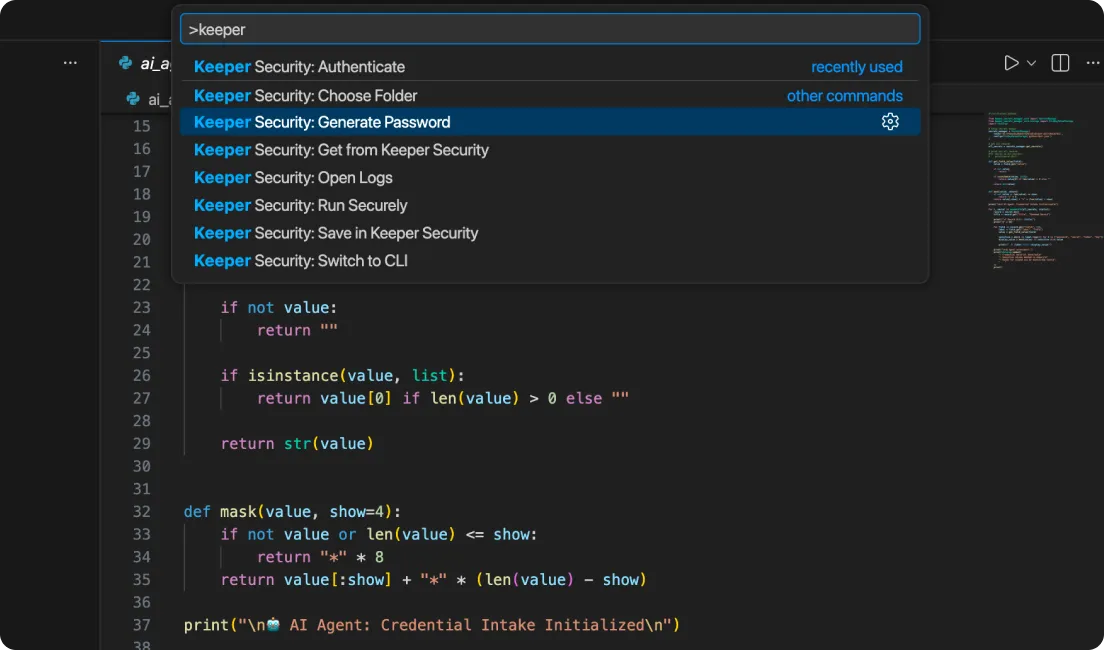
VS Code extension

Keeper Secrets Manager for VS Code brings secure vault access directly into the development workflow, allowing developers to save, retrieve and generate secrets without leaving their editor. With support for both Keeper Commander CLI and Secrets Manager, plus secure command execution and built-in secret detection, teams can eliminate hard-coded credentials while maintaining zero-knowledge security.
VS Code extension

シークレットマネージャーSDK

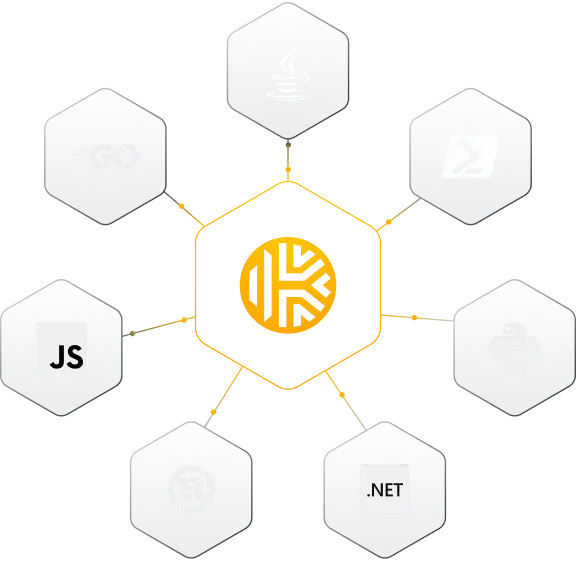
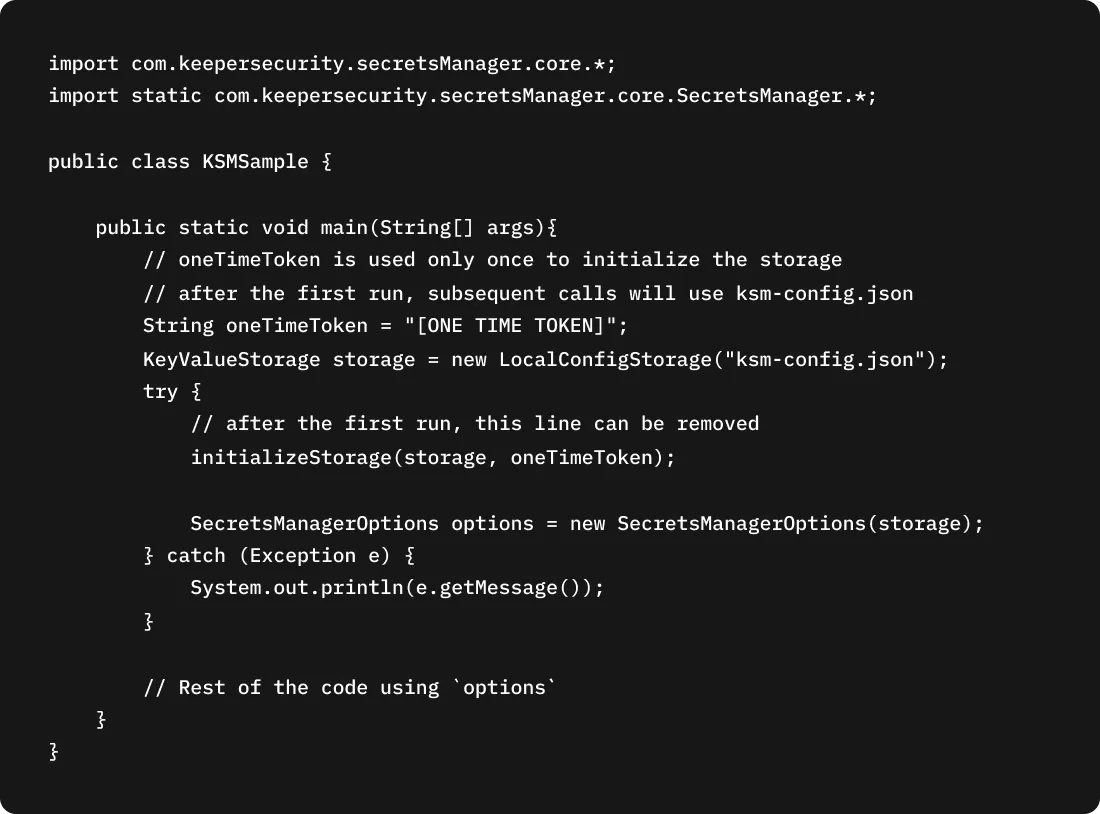
Accelerate development with Keeper Secrets Manager SDKs, designed for fast, lightweight and secure secrets retrieval across modern application stacks. Integrate secrets into your applications with minimal code while maintaining zero-knowledge encryption and high performance.

[Supported SDKs: Java/Kotlin, JavaScript, Python, .NET, Go, Ruby, Rust]

シークレットマネージャーSDK

シークレットマネージャーCLI

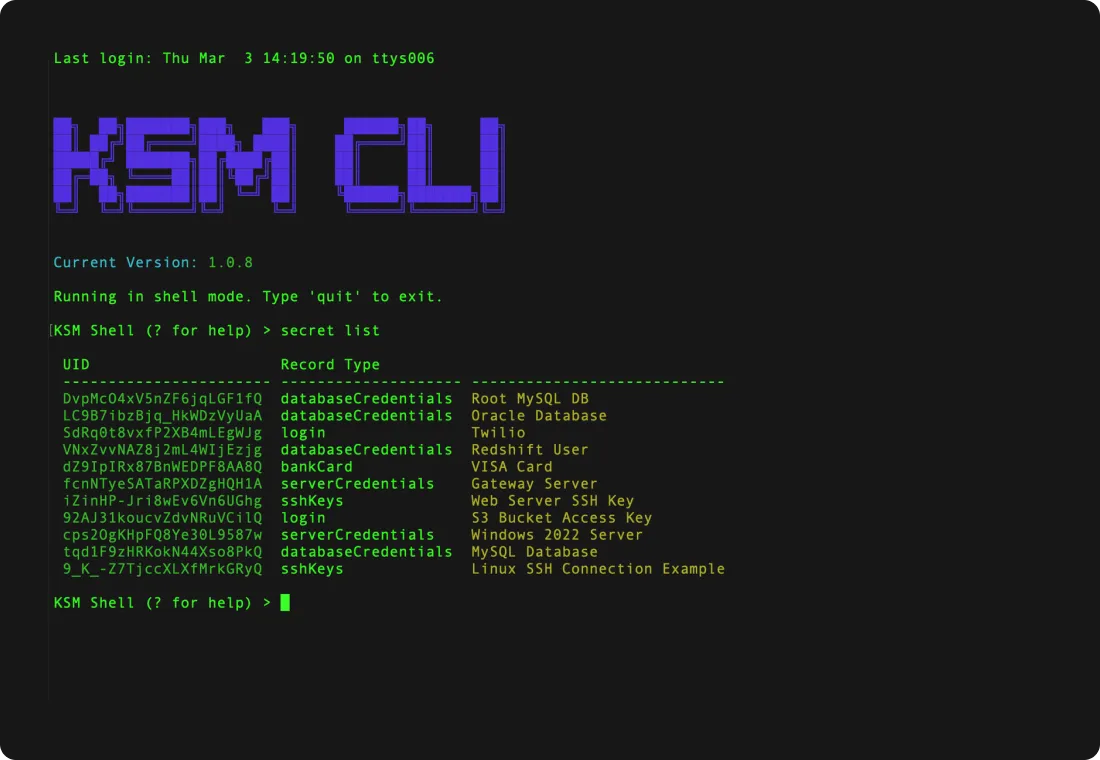
The Keeper Secrets Manager CLI enables secure, machine-based access to secrets directly from terminals, scripts and automation pipelines. Capabilities include secrets retrieval, environment variable injection, configuration initialization and shell execution support.

シークレットマネージャーCLI

Commander SDK

The Keeper Commander SDKs for .NET and Python provide programmatic access to the Keeper Vault, Enterprise Admin Console and Secrets Manager. They enable secure credential management, enterprise policy control and automation at scale, allowing organizations to embed Keeper’s zero-trust security into custom applications and DevOps workflows.
Commander SDK

シークレットマネージャーの統合

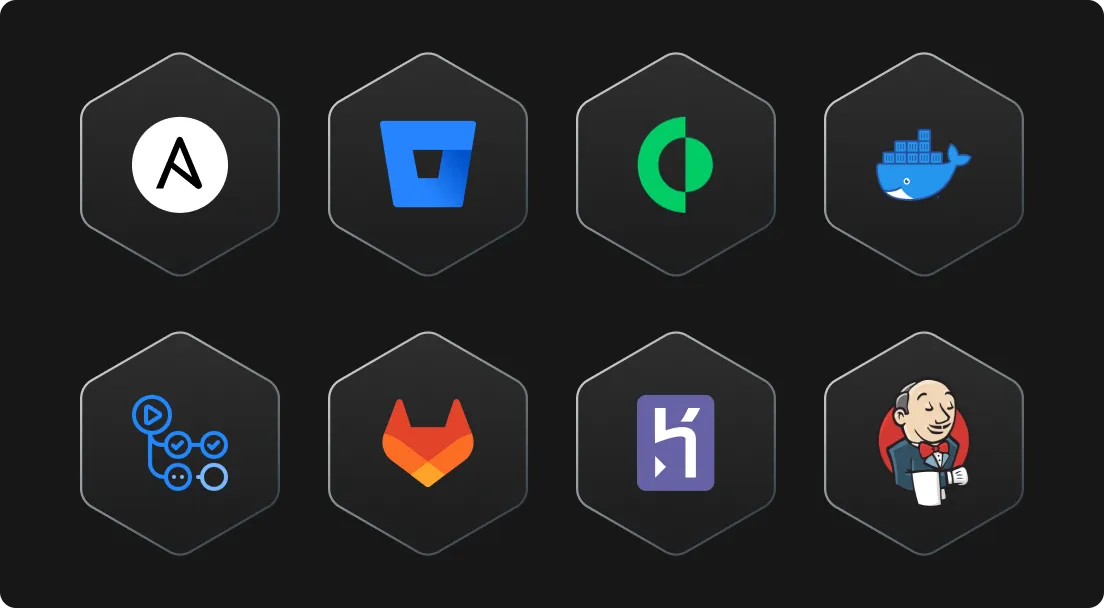
Keeper Secrets Manager integrates natively with popular CI/CD platforms, container environments and orchestration tools, including Kubernetes, allowing secrets to be injected securely at runtime without hard-coded credentials or workflow disruption.

CI/CD Integration

SSH鍵の管理

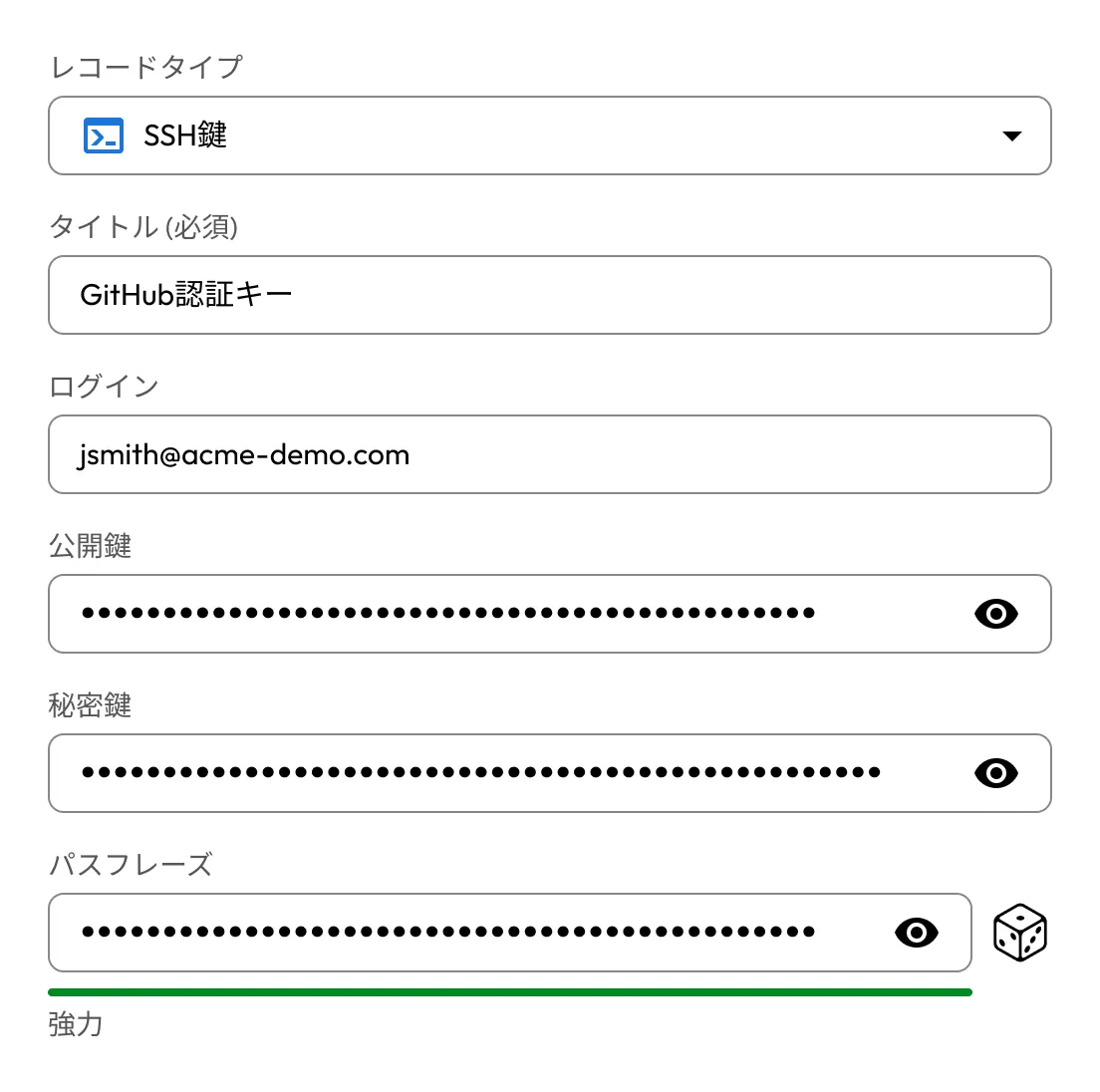
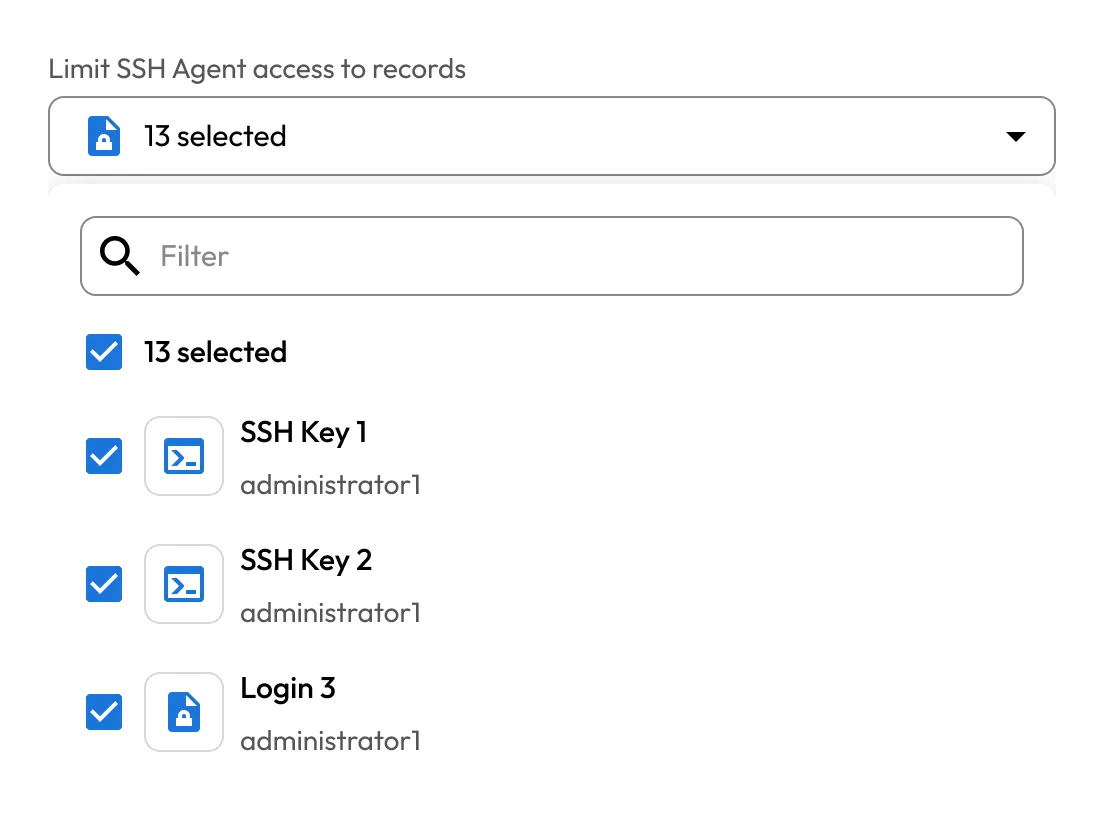
SSHキーの保管、アクセス制御、ライフサイクル管理を一元化します。自動ローテーション、ロールベースのアクセス制御 (RBAC)、監査ログ、ブラウザ経由の安全なアクセスに対応しています。秘密鍵が公開されることはありません。VPNも不要です。
SSH鍵の管理

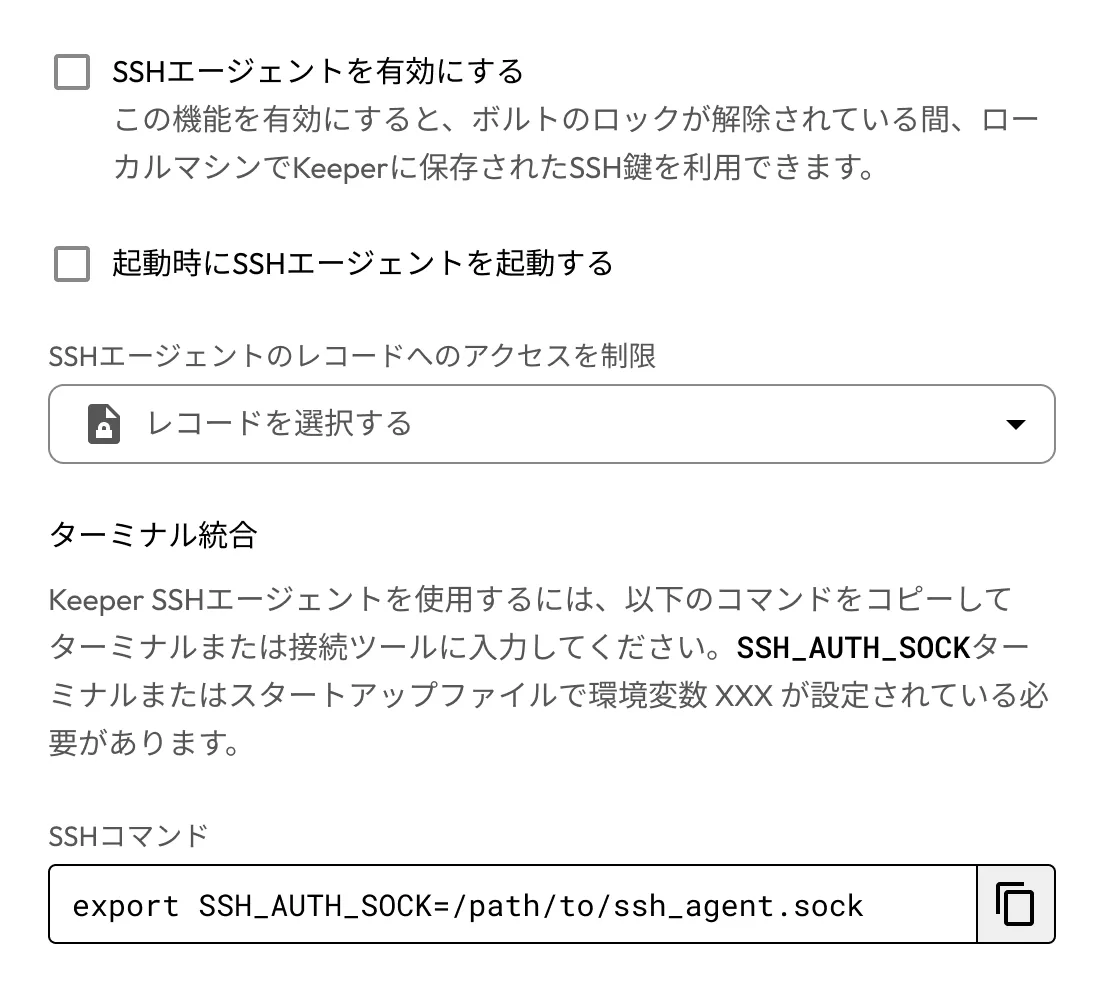
SSHエージェント

Keeper’s SSH Agent dynamically loads SSH keys from the encrypted vault into memory-only sessions, eliminating persistent local key storage while enabling seamless terminal-based access.

SSHエージェント

シェル統合

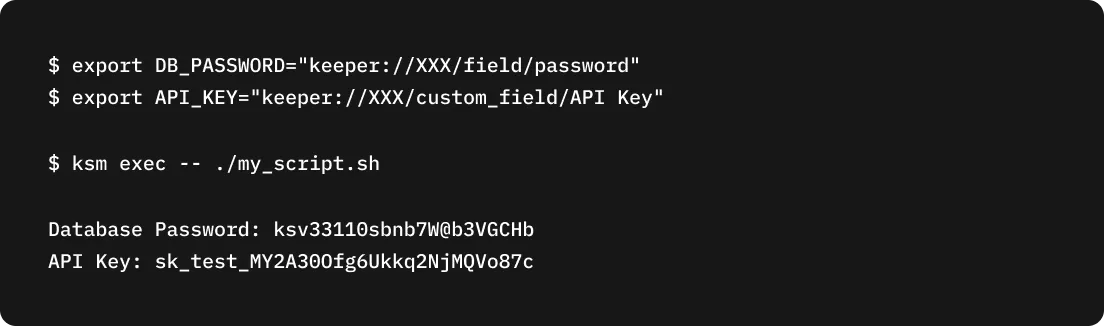
The Keeper Secrets Manager exec command injects secrets into environment variables at runtime, allowing any script, binary or system call to securely implement secrets without application code changes.

シェル統合

Terraformプロバイダ

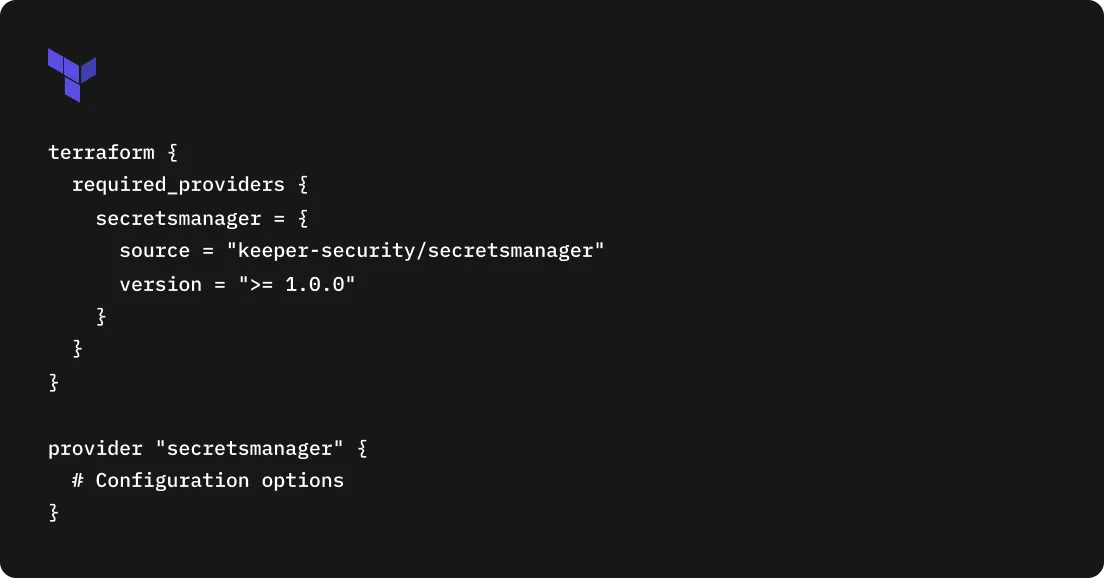
The Keeper Secrets Manager Terraform Provider enables Terraform configurations to securely reference secrets stored in the Keeper Vault, preventing plaintext secrets in state files or source control.

Terraformプロバイダ

自動パスワードローテーション

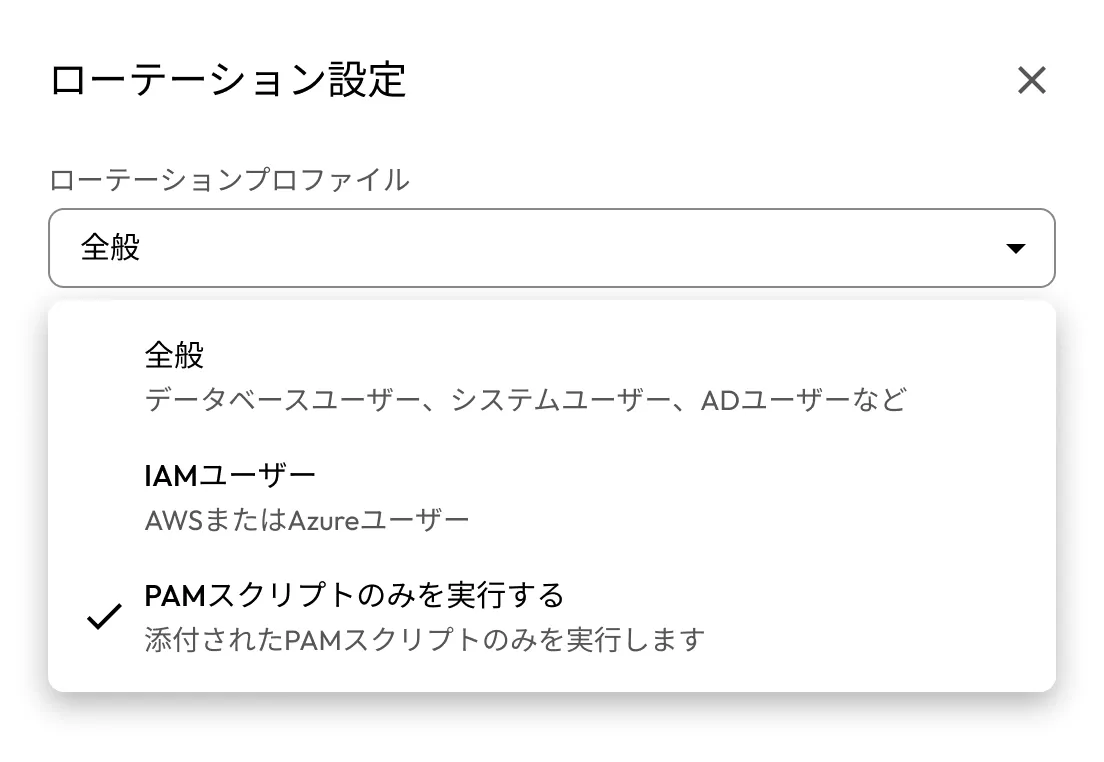
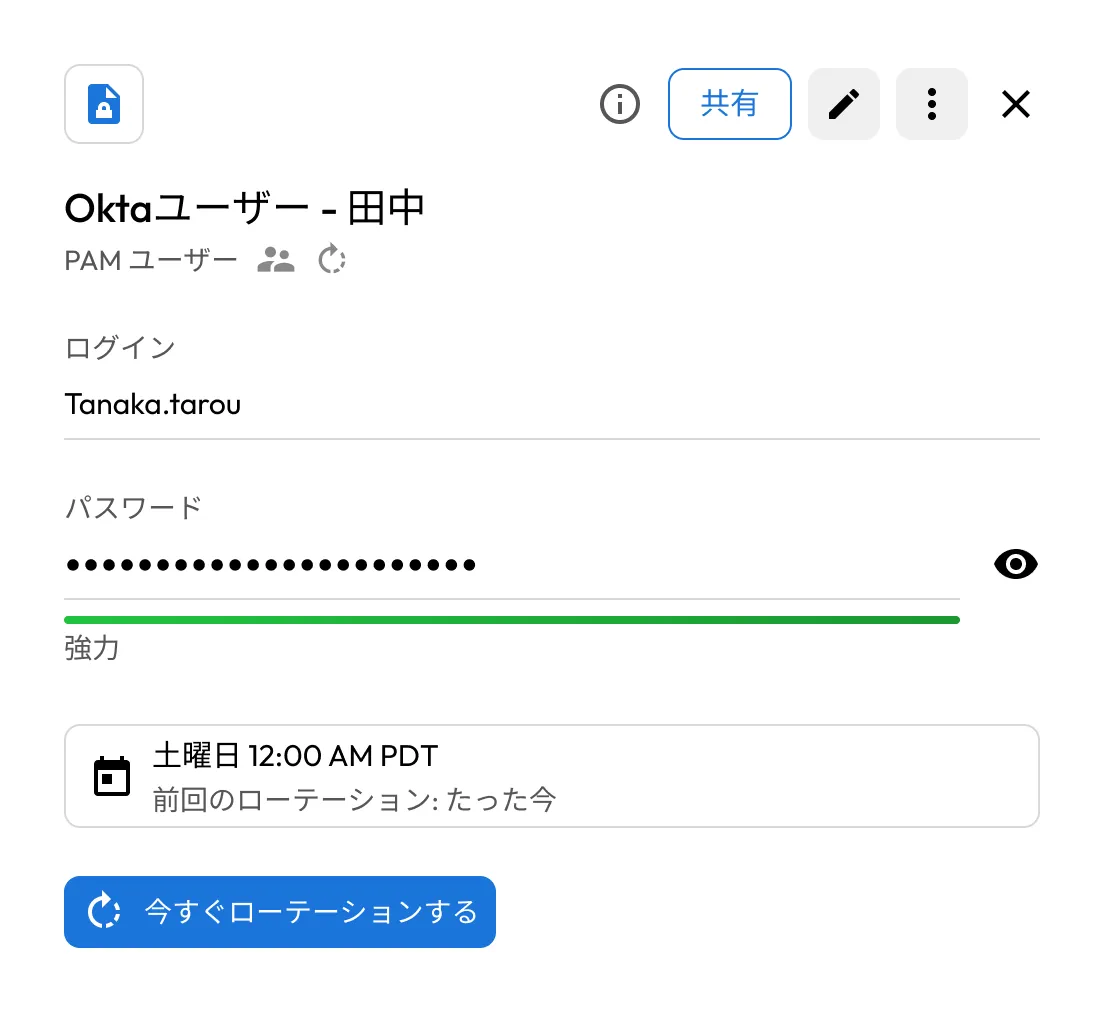
Keeper supports automated credential rotation through configurable rotation workflows and extensible PAM scripts. Organizations can use built-in scripts, develop custom logic or leverage community-supported integrations.

自動パスワードローテーション

アカウントの検出

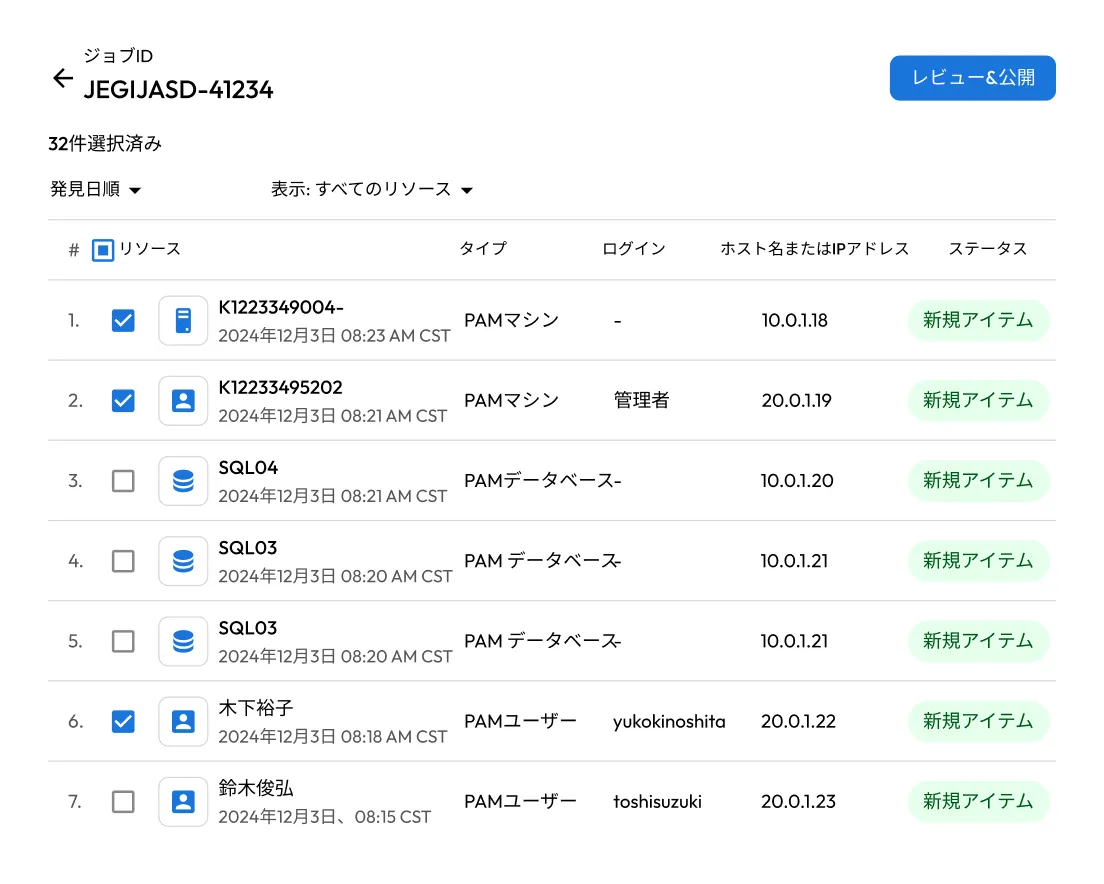
Keeper Discovery identifies privileged accounts, service accounts and credential dependencies across infrastructure, helping security and DevOps teams eliminate blind spots and reduce risk.

アカウントの検出

Gitコミット署名

Keeper enables secure storage and use of GPG and SSH signing keys to support verified Git commits, protecting repositories from impersonation and unauthorized code changes.

Git Commit

複数プロトコル対応の接続

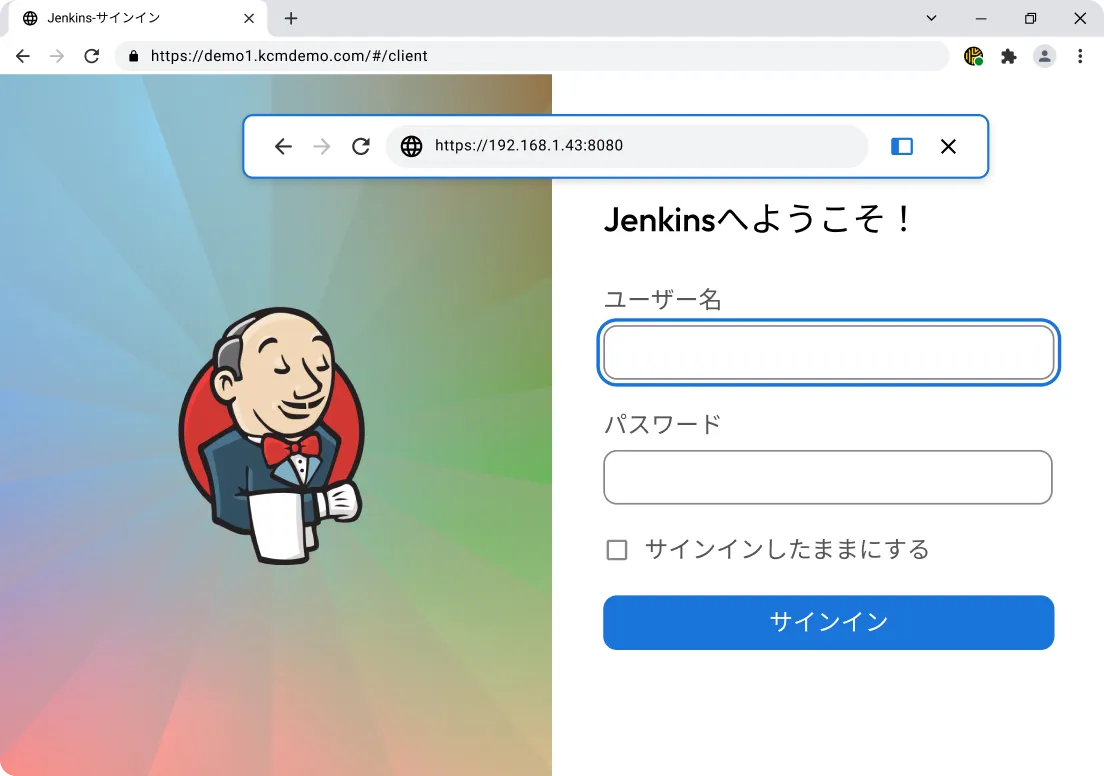
Keeper Connections provides secure, credential-free access to servers, databases and web applications directly from the Keeper Vault. Credentials are injected at runtime and never exposed to end users.

複数プロトコル対応の接続

SaaS rotation plugins

Extend Keeper with plugins that enable automated credential rotation for SaaS applications and third-party services. Integrate rotation workflows into proprietary systems, internal tools and unsupported platforms to maintain continuous credential hygiene without manual intervention.

カスタムプラグイン

リモートブラウザ分離

Keeper Remote Browser Isolation executes web sessions in a remote environment to protect users from web-based threats. Credentials can be injected securely without being transmitted to or stored on endpoint devices.

リモートブラウザ分離

トンネル接続

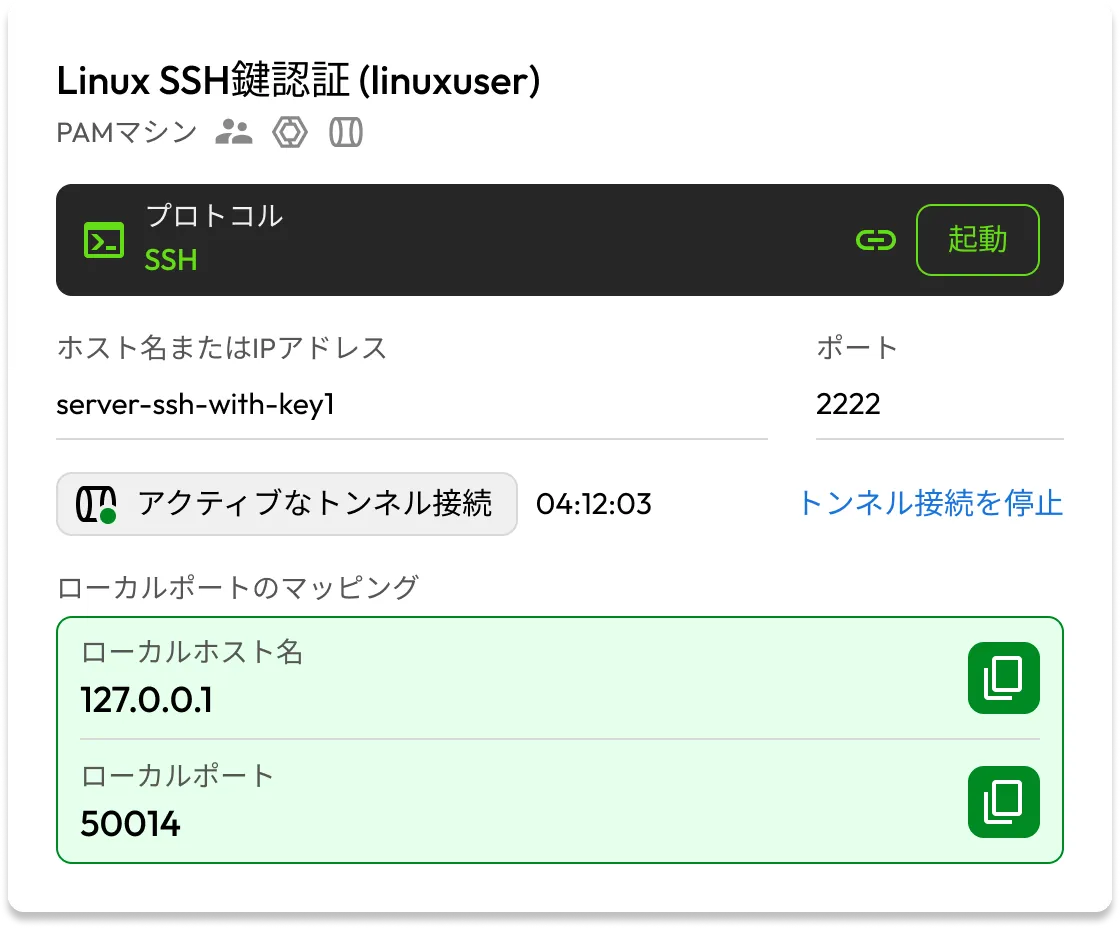
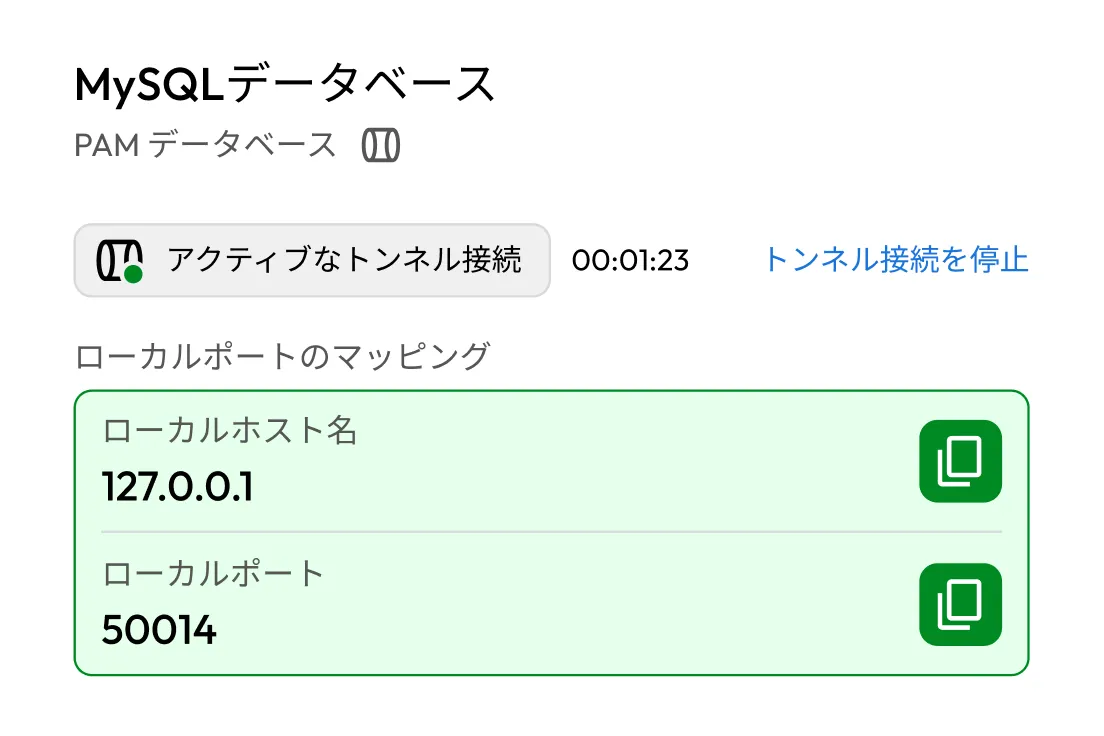
Keeper Tunneling enables secure access to internal services and databases through encrypted tunnels while continuing to use native client tools and without exposing network resources publicly.

トンネル接続

自律型AI

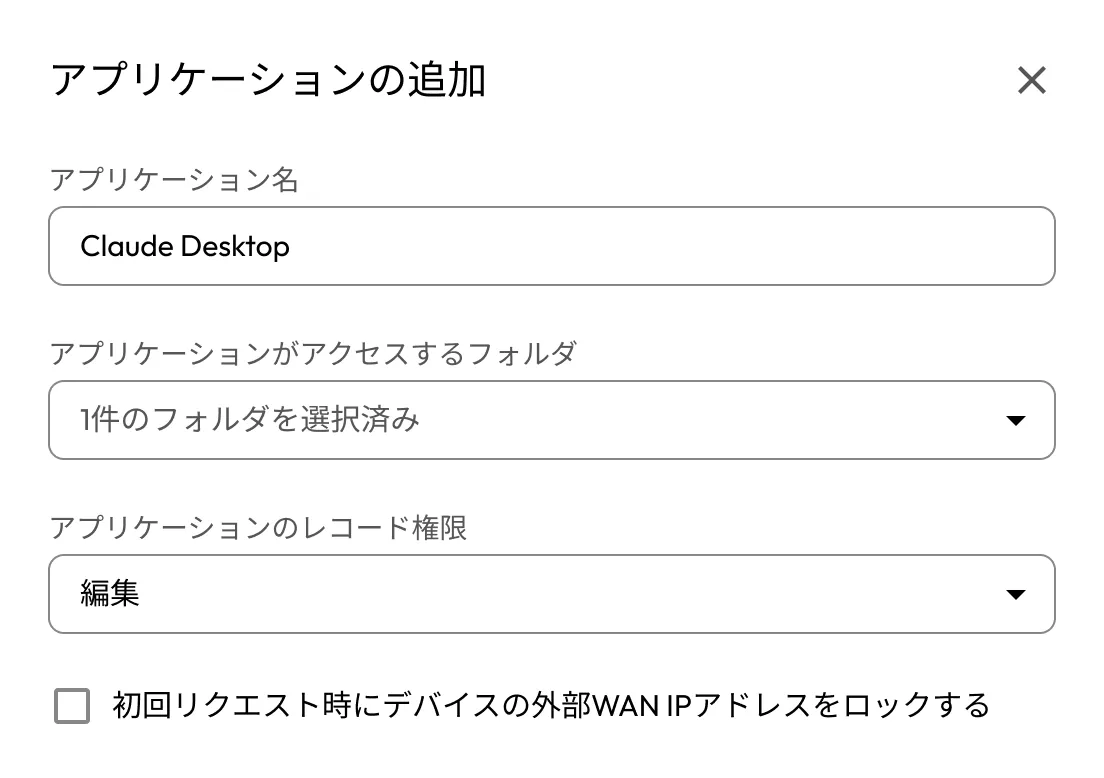
Keeper Secrets Manager supports secure secret access for AI agents via the Model Context Protocol (MCP), enabling automated workflows while maintaining zero-trust and zero-knowledge security.

自律型AI

Automate and control your Keeper environment

Keeper Commander

コマンダーCLI

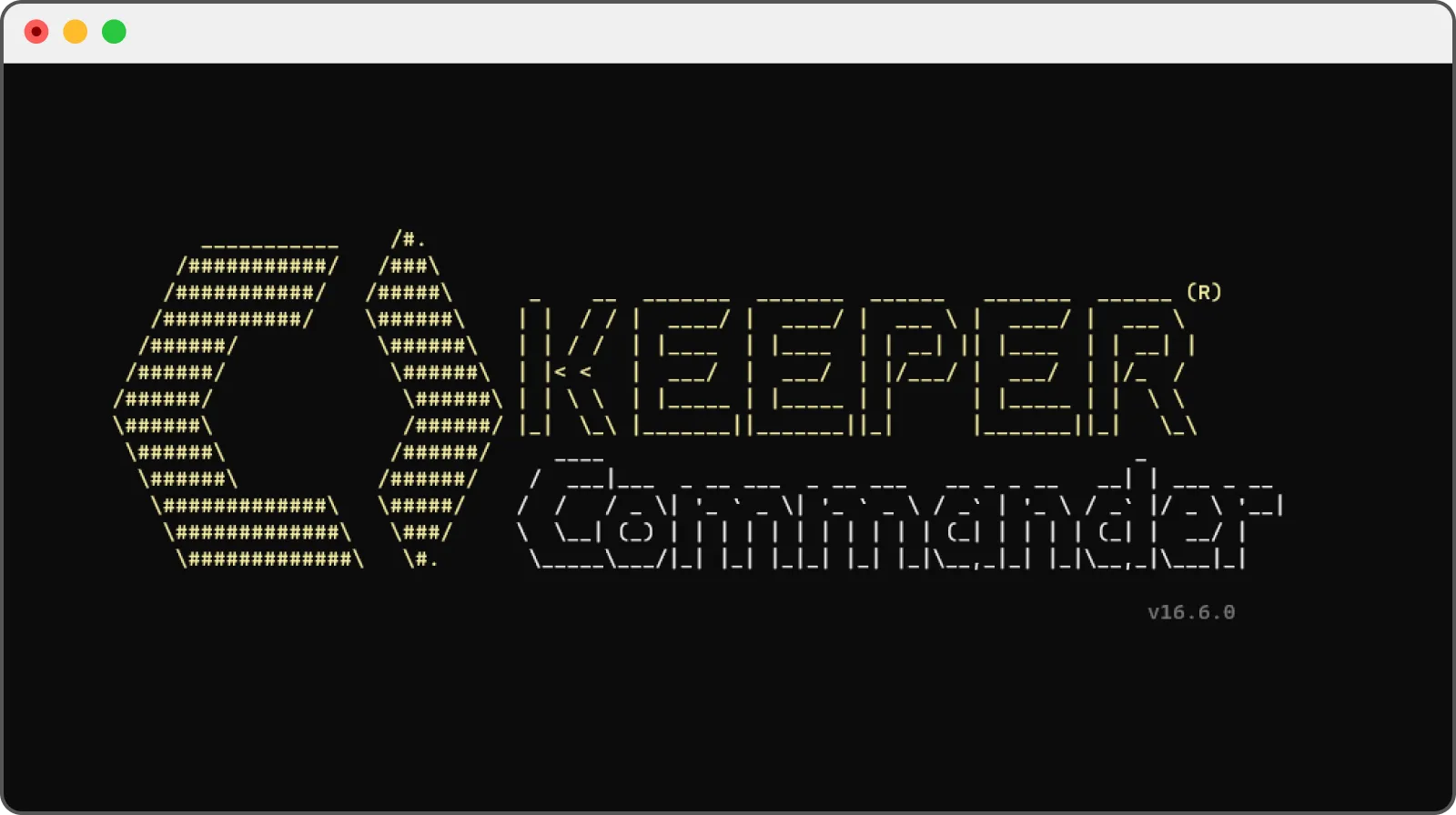
Keeper Commander is a full-featured command-line interface with an interactive supershell that enables secure, scriptable and repeatable workflows across vault and administrative operations, including user management, reporting, credential rotation, connections and tunneling.

コマンダーサービスモードAPI

Deploy Keeper Commander as a self-hosted REST API service to integrate the Keeper Vault and administrative capabilities with third-party systems while preserving zero-knowledge encryption.

プロビジョニングおよびアカウント管理API

Keeper管理者向けAPI

The Keeper Admin API provides access to event logs, compliance data, reporting metrics and administrative insights via a flexible REST API interface.

MSP向けアカウント管理API

MSPs can use the Account Management API to manage tenants, subscriptions, trials and usage metrics across customer environments.

ファミリー向けプロビジョニングAPI

MSP partners can provision complimentary Keeper Family Plans for eligible end users through a dedicated API endpoint.

学生向けプロビジョニングAPI

Educational institutions can provision Keeper Student accounts at scale using the Student Provisioning API.

SCIM API

Keeper supports SCIM 2.0 for automated user provisioning, deprovisioning, group management, shared folder access and policy enforcement.

Killercoda

Killercoda

Killercodaは、Keeperの各種開発ツールを実際に操作しながら学べる、実践的な学習プラットフォームです。

コミュニティに参加

Keeper GitHubリポジトリ

SDKs and tools for the Keeper Security platform: Commander CLI, Secrets Manager and third-party integrations.

GitHubリポジトリ

Apache Guacamole

Keeper's connection management solutions are commercially supported capabilities powered by Apache Guacamole, developed by its original creators.

Apache Guacamole

Slackチャンネル

Keeperチームが発信する限定情報や知見を通じて、知識を共有し、ベストプラクティスを学びましょう。

Slackチャンネルに参加

よくある質問

How does Keeper Secrets Manager deliver secrets to applications?

Keeper Secrets Manager delivers secrets at runtime using SDKs, the CLI or shell execution. Secrets are retrieved just in time from the encrypted vault and injected into applications or processes without being hard-coded into source code, config files or images.

Do applications ever store secrets locally?

No, secrets are never written to disk by default. They are retrieved securely at runtime and held in memory only for the duration of the process, supporting zero-trust and zero-knowledge security models.

What’s the difference between using an SDK and the CLI?

SDKs are designed for applications that need programmatic access to secrets within code. The CLI is ideal for scripts, automation, CI/CD pipelines and operational workflows where secrets are needed without modifying application code.

Can I use Keeper Secrets Manager in CI/CD pipelines?

Yes, Keeper integrates natively with popular CI/CD platforms and also supports pipeline usage via the CLI and shell execution. Secrets can be injected securely at runtime without exposing them in pipeline configuration files or logs.

What SDKs and languages are supported?

Keeper Secrets Manager supports Java/Kotlin, JavaScript, Python, .NET, Go, Ruby and Rust. Additional access methods are available through the CLI and shell integrations.

How does Keeper handle SSH key access without exposing private keys?

SSH keys are stored encrypted in the Keeper Vault and loaded dynamically into memory-only sessions using the Keeper SSH Agent. Private keys are never written to disk or exposed to end users.

How does Keeper support AI agents and automated workflows?

Keeper supports secure secret access for AI agents using the Model Context Protocol (MCP), allowing agents to retrieve secrets dynamically while enforcing zero-trust and zero-knowledge security controls.

今すぐ購入