
 Public Sector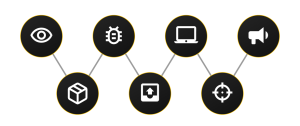


Federal agencies are facing a critical reckoning with cybersecurity. In the past year alone, high-profile breaches have exposed millions of Americans’ personal data, compromised sensitive intelligence
We recognize that federal agencies face a wide range of cyber threats in today’s hybrid and cloud work environment, which requires securing multiple endpoints. From nation-states to organized crime groups, adversaries are looking to steal data at the highest levels of government, and the stakes have never been higher. Protecting sensitive information, ensuring national security and safeguarding public trust all hinge on effective cybersecurity strategies.
One widely recognized framework for understanding and mitigating these threats is the cyber kill chain. Initially developed by Lockheed Martin, this model has become a critical tool for identifying, detecting and defending against cyber attacks. This blog addresses how to mitigate daily threats for federal agencies as they continue to secure their networks while leveraging the cyber kill chain approach.
Understanding the cyber kill chain
The cyber kill chain is a model that delineates the various steps of a cyber attack, from reconnaissance to action. By comprehending each stage, federal agencies can identify opportunities to detect and disrupt adversarial activities before they reach their objectives. The seven phases of the cyber kill chain are as follows:
-
Reconnaissance
-
Weaponization
-
Delivery
-
Exploitation
-
Installation
-
Command and Control
- Action
Securing the cyber kill chain requires defensive action at all phases of a cyber attack. As attack surfaces continue to increase, adversaries are constantly after our data and aim to use it maliciously. It is not just about stealing our data; they intend to manipulate it. To stay ahead of threats, agencies need to secure their data at every level to break the chain of attack. Below are some strategies for securing the cyber kill chain.
Adopt a zero-trust security framework
As agencies continue to adopt a zero-trust security framework, operating on the principle of “never trust, always verify,” traditional security models assume users and devices inside the network are trustworthy. Zero trust does not grant automatic trust to any user, device or system. Instead, every request for access must be authenticated, authorized and continuously validated based on strict security policies.
Furthermore, once logged on to the network, users should have the minimum amount of network access they need to perform their jobs, and no more. This is known as least privilege access. By implementing solutions that enforce strict access controls, verify identities and continuously segment networks, agencies can significantly reduce the risk of an attack, helping users feel more secure and protected.
Protect data integrity
Safeguarding data integrity is critical for any organization that handles sensitive information, especially when incorporating Artificial Intelligence (AI) into its operations.
As AI becomes more integrated into decision-making processes, the importance of protecting the data that powers AI algorithms cannot be overstated. Data integrity, which ensures data accuracy, consistency and reliability throughout its lifecycle, is key. Any compromise to data integrity can lead to flawed AI outputs, resulting in decision-making errors and trust breaches. This highlights the significant risks posed by threats such as unauthorized access, data manipulation and cyber attacks, making advanced cybersecurity solutions a necessity. It’s crucial to maintain a record of who is accessing secure data, when they’re doing so and for what purpose.
Implement continuous monitoring
Federal agencies should continue to advance their capabilities in continuous monitoring approaches to detect and respond to threats in real time. This can include using threat intelligence platforms to gather information on emerging threats, monitoring for unusual network activity and checking public-facing assets, such as websites and social media, for vulnerabilities or indications that they may be compromised. There are also email security solutions that can detect and block malicious attachments and links before they reach end users.
The more privileged the systems are, with access to sensitive information and the ability to perform critical functions, the greater the security measures required to prevent unauthorized access and misuse. Examples include domain controllers, database service servers, email servers and network devices. A Privileged Access Management (PAM) solution helps organizations secure passwords, credentials, secrets and connections to reduce the risk of cyber attacks and defend against internal and external threats.
Regular training and awareness programs
The phenomenon of human error continues to be a substantial vulnerability. The 2024 Verizon Data Breach Investigations Report reveals that 68% of breaches are attributed to human involvement, primarily caused by weak passwords, credentials and secrets. Deploying a PAM solution as a component of the cyber strategy dramatically diminishes the likelihood of security breaches. However, continuous training and vigilance about sensitive data and adherence to cybersecurity standards are always beneficial.
Thankfully, IT administrators and top management emphasize the criticality of implementing Multi-Factor Authentication (MFA). MFA enhances security by requiring additional proof of identification prior to accessing your account.
Safeguarding the Cyber Kill Chain is a difficult undertaking that necessitates a multifaceted strategy. This method should integrate established technologies and solutions to mitigate the previously mentioned risks and ensure strict access procedures. Preemptive measures and understanding the stages of a cyber assault can greatly diminish risk and improve the cybersecurity posture of government entities. Given the ongoing evolution of enemies’ strategies, the federal government must maintain a state of constant vigilance, adaptability and resilience when confronted with cyber threats. By adopting this approach, employees can safeguard their individual environments, which helps protect the security of the entire organization – and the nation. Ensure the data remains secure. Keep the data secure. Keep the bad actors out. Keep protecting.

