
Streamline SSH key management with KeeperPAM®
KeeperPAM simplifies SSH key management by providing centralized control, automated rotation and auditing to ensure secure access to your critical infrastructure.
KeeperPAM simplifies SSH key management by providing centralized control, automated rotation and auditing to ensure secure access to your critical infrastructure.
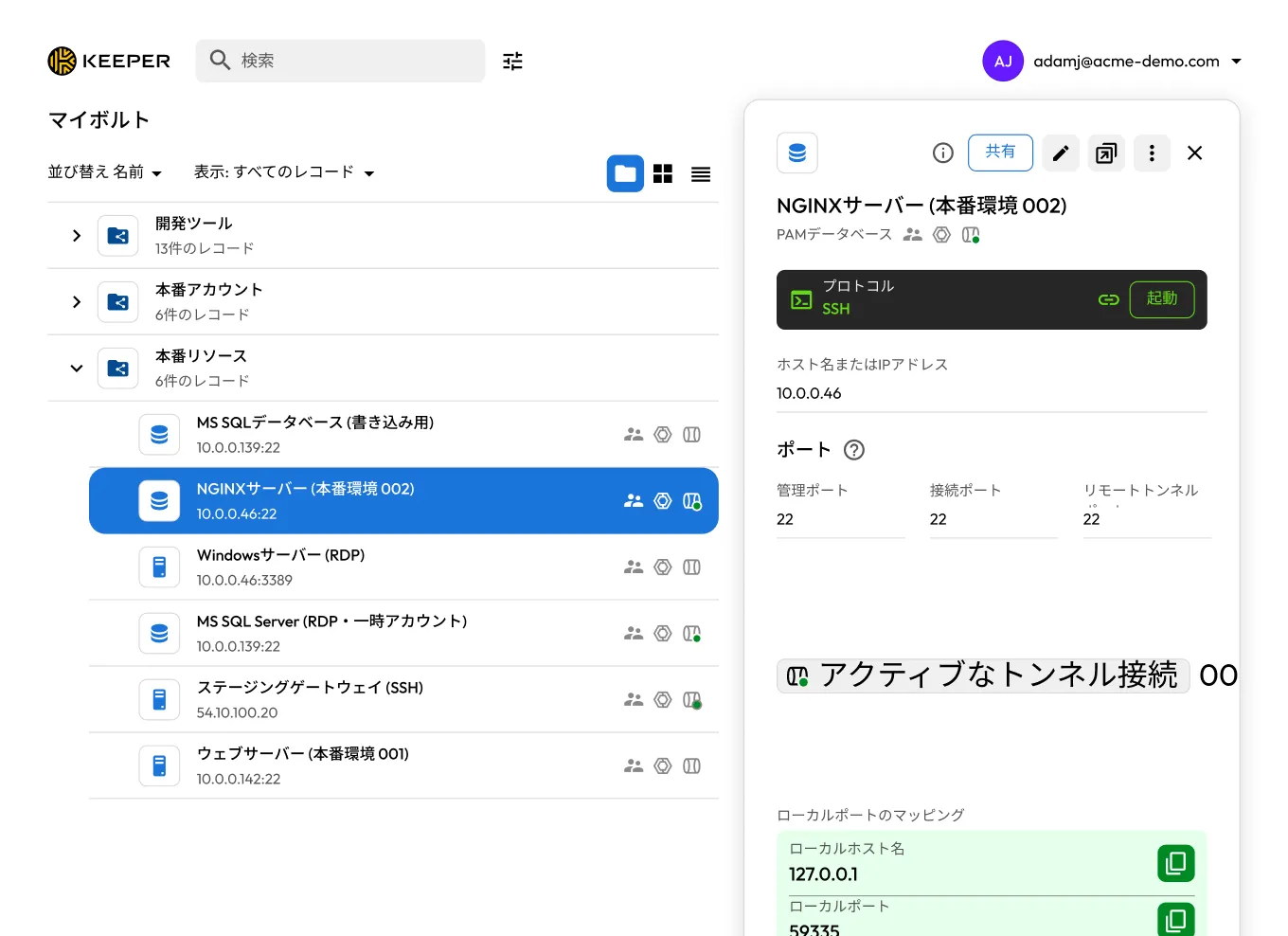

SSH keys often sprawl across systems, making visibility and control difficult.

Unrotated keys create long-term exposure if they become compromised.

Shared keys eliminate accountability and make it difficult to trace activity.

Delayed revocation can leave former users or attackers with lingering access.

Without regular review, old or unused keys can remain active and expose critical systems.
KeeperPAM centralizes SSH private keys in the Keeper Vault, protected by zero-knowledge encryption. Keys are never exposed to Keeper or stored in plain text, giving your organization full control and visibility from a single secure platform.
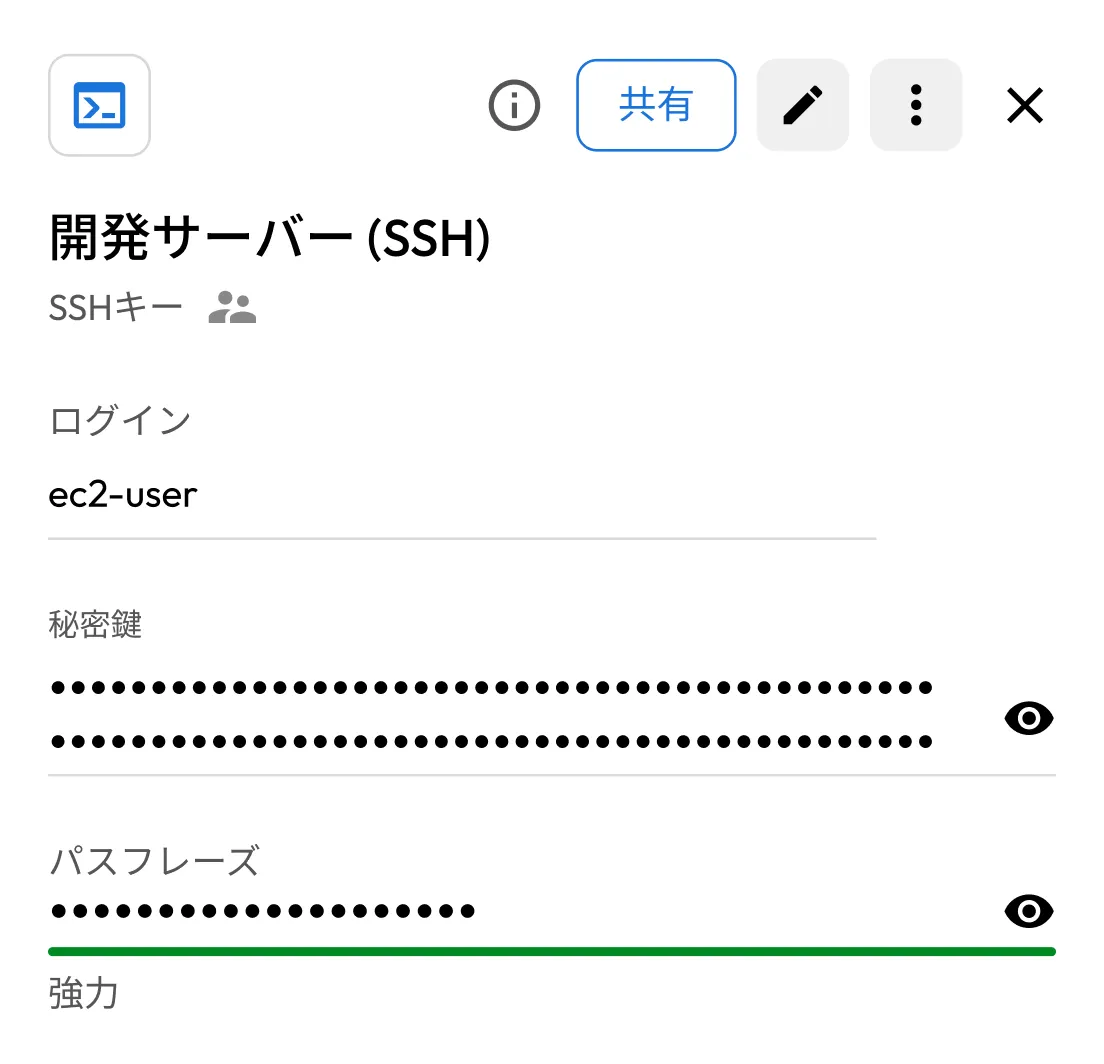
KeeperPAM provides fine-grained access controls so you can define exactly who can access which SSH key and which resource. Every access request is logged, giving you clear insight into who accessed a key, when it was used and for which system or session.
KeeperPAM automates SSH key rotation and supports defined rotation policies to enforce security standards. Keys can be rotated through automated workflows and integrated into Keeper Commander processes, helping security teams maintain strong controls without manual effort.
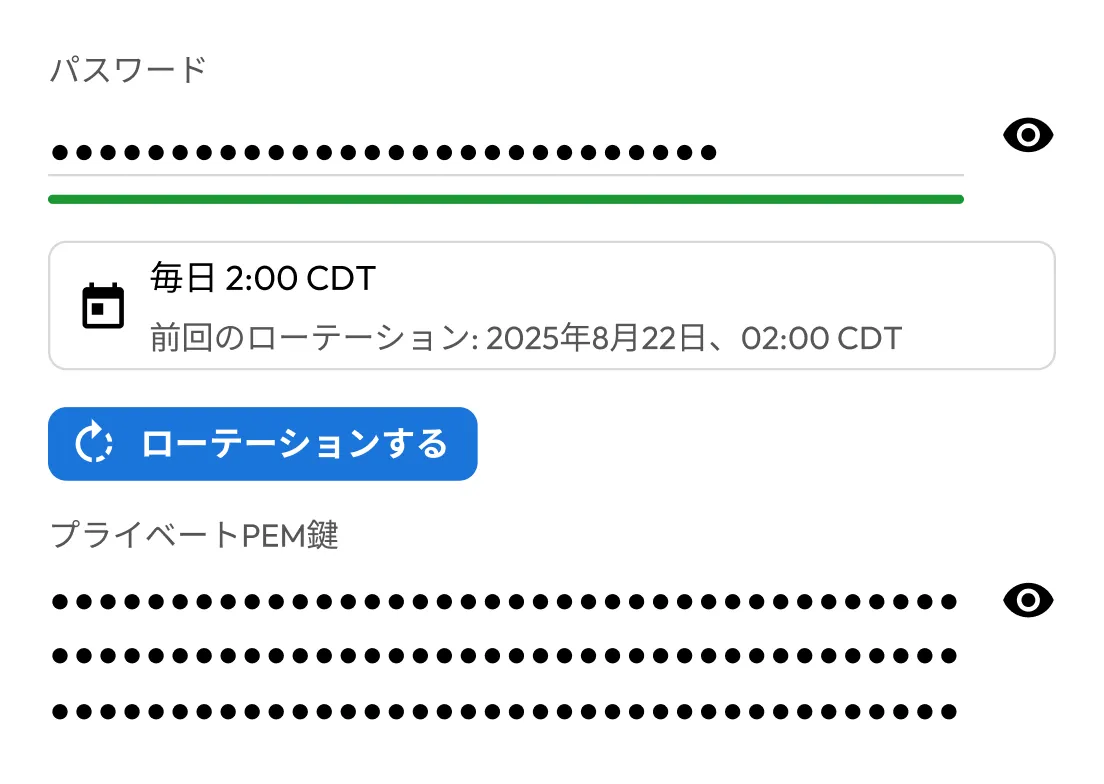
Keeper SDKs and APIs enable teams to integrate SSH key management into automation pipelines, CI/CD workflows and custom security processes, allowing organizations to enforce consistent SSH key policies across infrastructure.
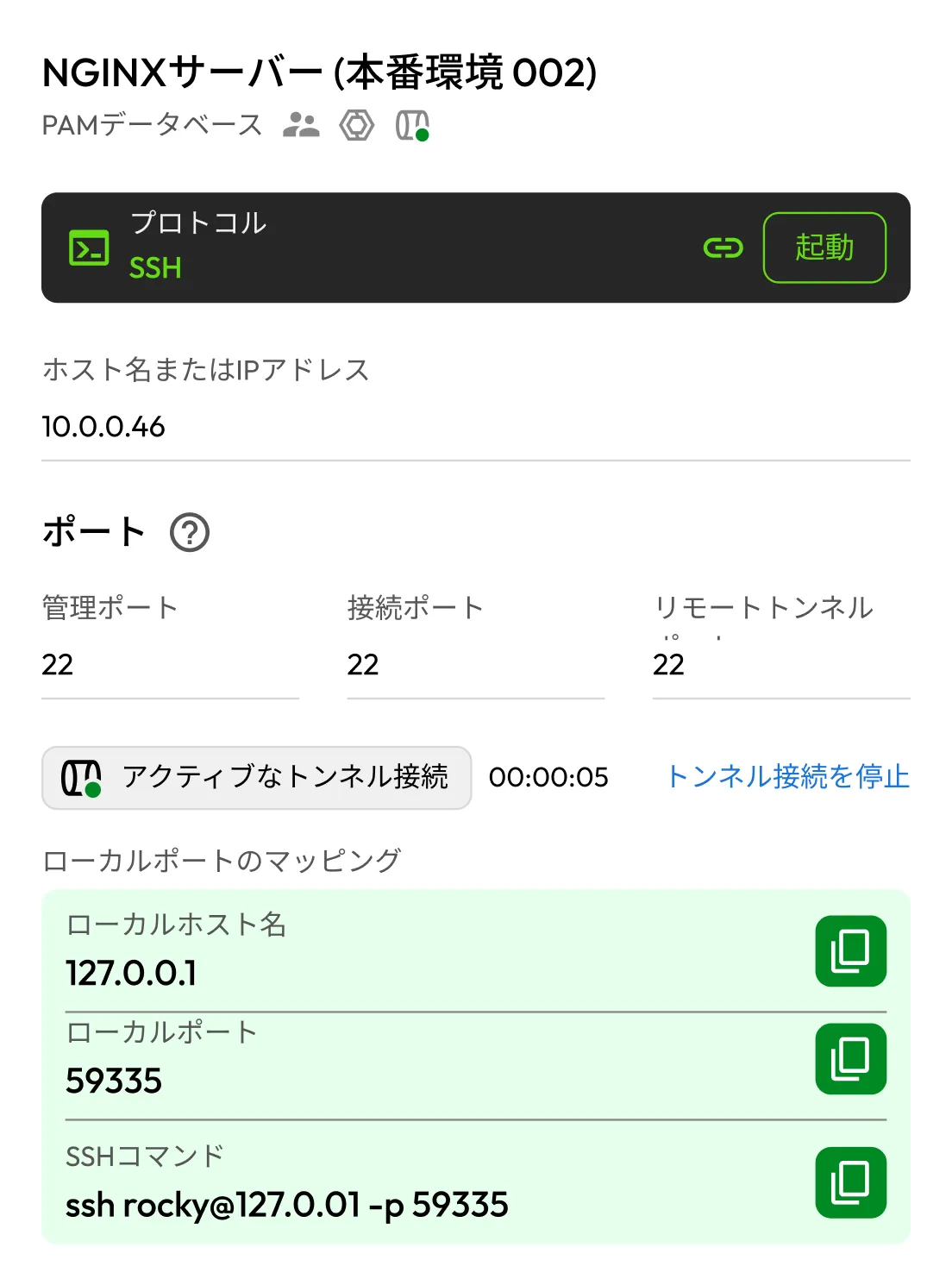
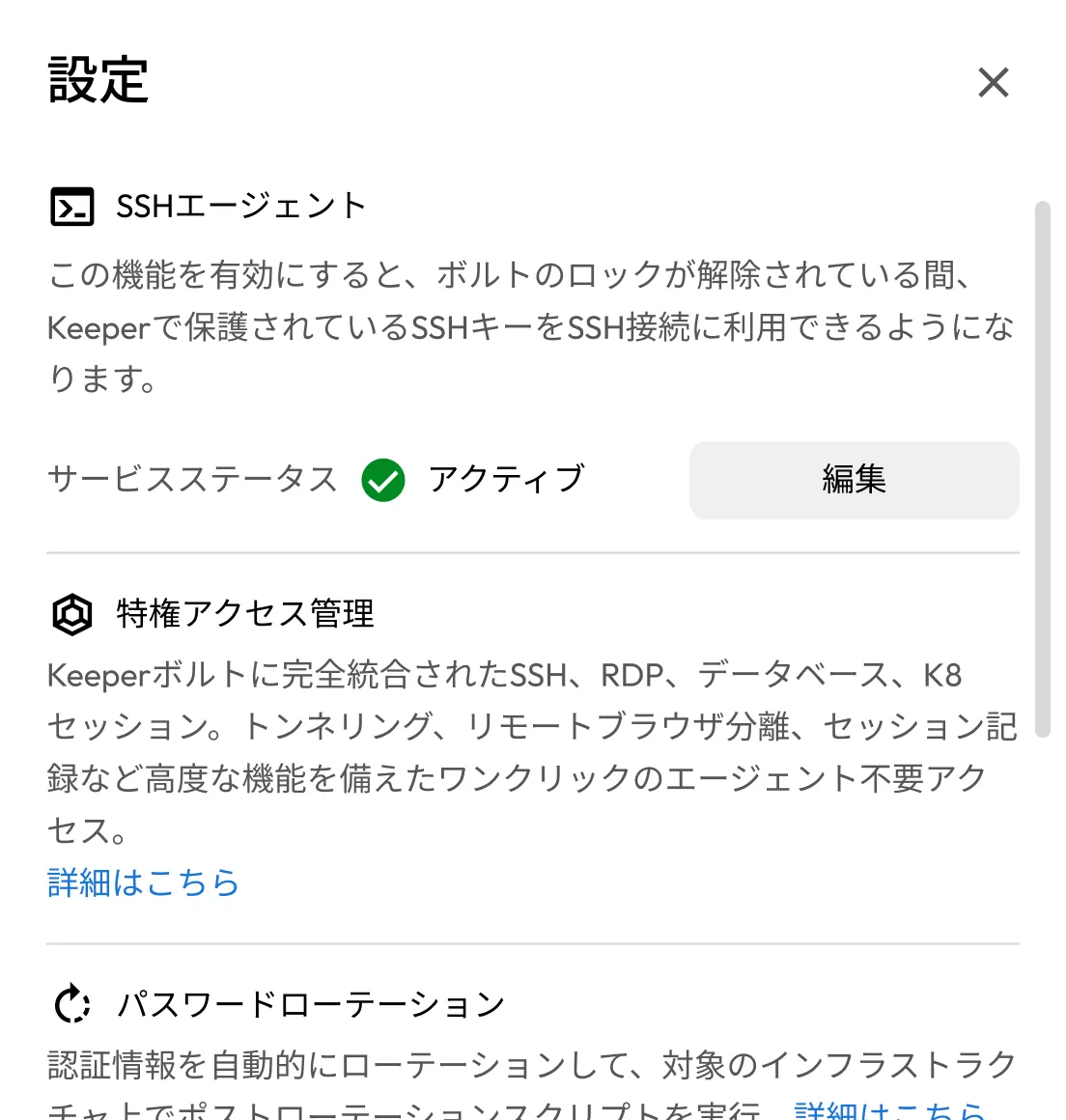
KeeperPAM enables passwordless, zero-trust SSH access by brokering privileged sessions directly from the Keeper Vault, injecting ephemeral or static credentials without ever exposing private SSH keys to end users. The self-hosted Keeper Connection Manager proxies and records SSH sessions for air-gapped or regulated networks; the Keeper SSH Agent and CLI support developer and automation workflows using ephemeral, in-memory key retrieval; and automated SSH key rotation continuously refreshes keys to eliminate long-lived credentials.
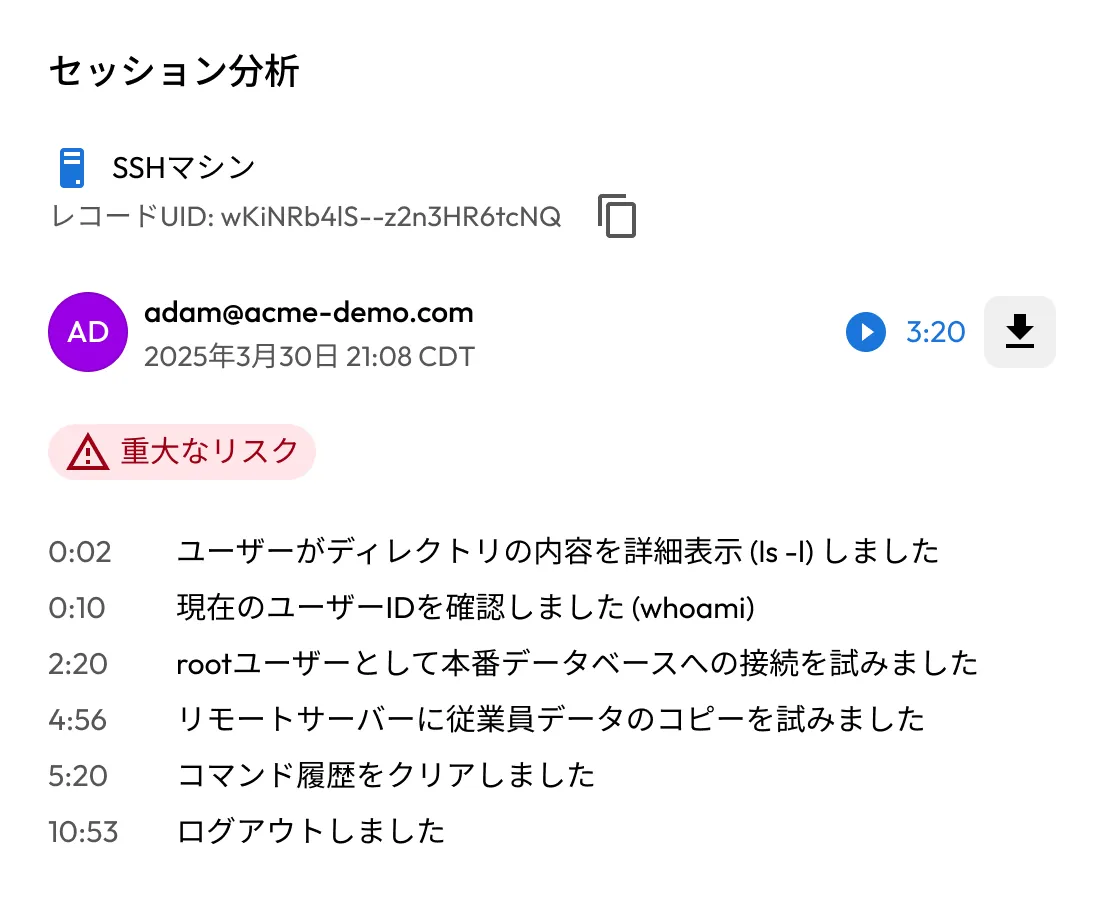
KeeperPAM logs SSH key access and session activity, creating a complete audit trail. Security teams can see who accessed which key, when it was used and what actions were taken during the session.
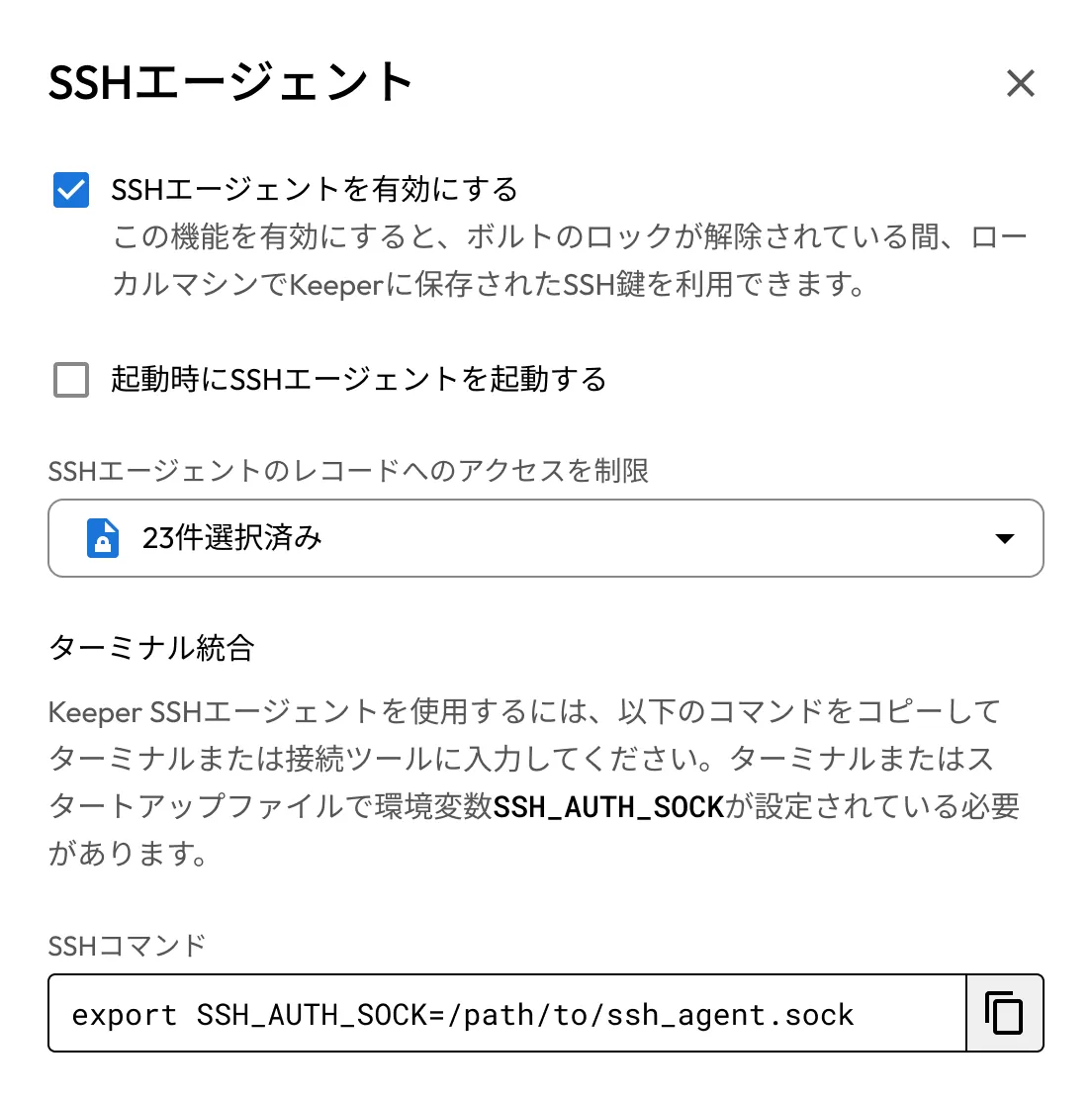
Developers can use Keeper-managed SSH keys for Git authentication and SSH-based commit signing without storing private keys locally. Keys remain protected in the Keeper Vault and are loaded securely when needed, supporting secure development workflows while eliminating local key storage risks.

“I value the flexibility of deploying a multifunction gateway in different environments. With these gateways, I can use SSH, RDP, and tunneling, and I also have the ability to retrieve secrets from my vaults.”
Jason M., Senior Infrastructure Engineer/Architect
G2 Review
“I love that it is a single pane of glass solution for RDP, SSH, password vault, etc. It's a great product. Very searchable, lightweight, easy to implement. Great all around.”
Verified User in Legal Services
G2 Review
SSH key management is the process of creating, storing, rotating and revoking SSH keys to control secure access to servers and infrastructure.
KeeperPAM stores SSH private keys in the Keeper Vault, protected by zero-knowledge encryption, and enforces centralized access controls and auditing for key access and usage.
Yes, KeeperPAM automates SSH key rotation based on defined policies and integrates with Keeper Commander workflows to reduce manual effort and long-lived key risk.
No, Keeper’s SSH keys are only stored and encrypted in the Keeper Vault. When zero-trust KeeperPAM sessions are launched, the keys are retrieved by the Keeper Gateway and are never exposed to the user.
チャットサポートを利用する場合、Cookie を有効にしてください。